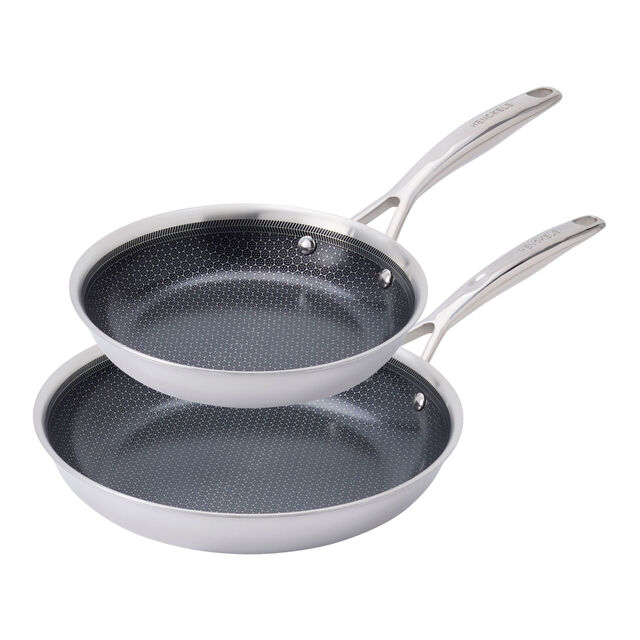
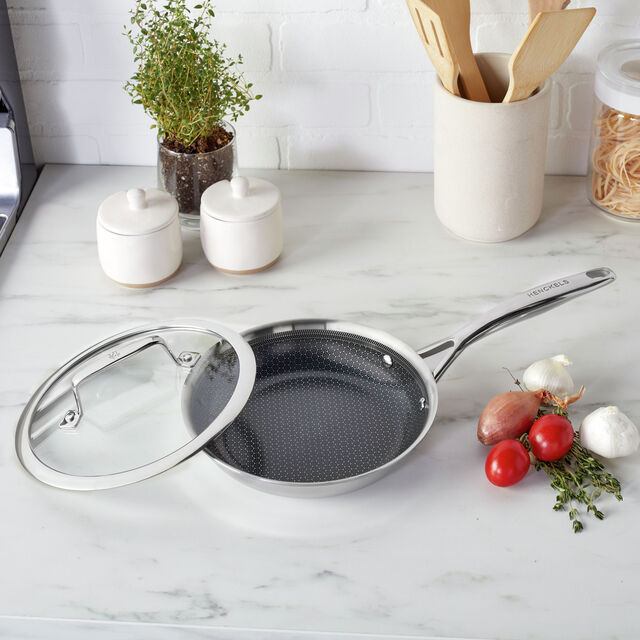
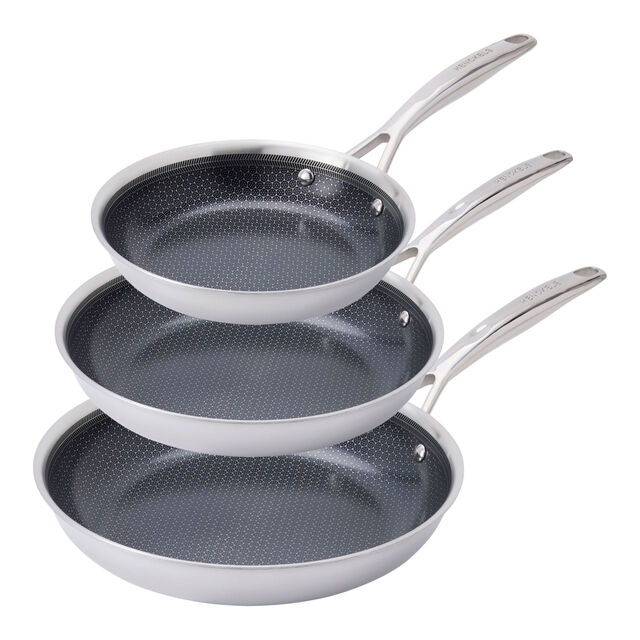
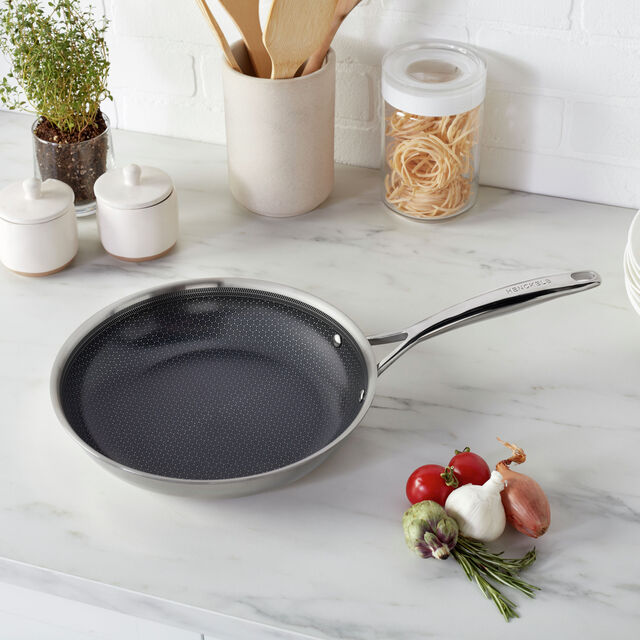
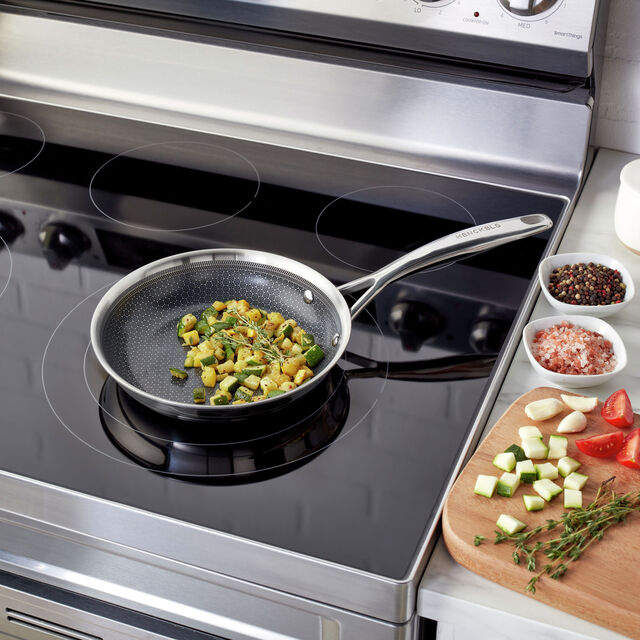
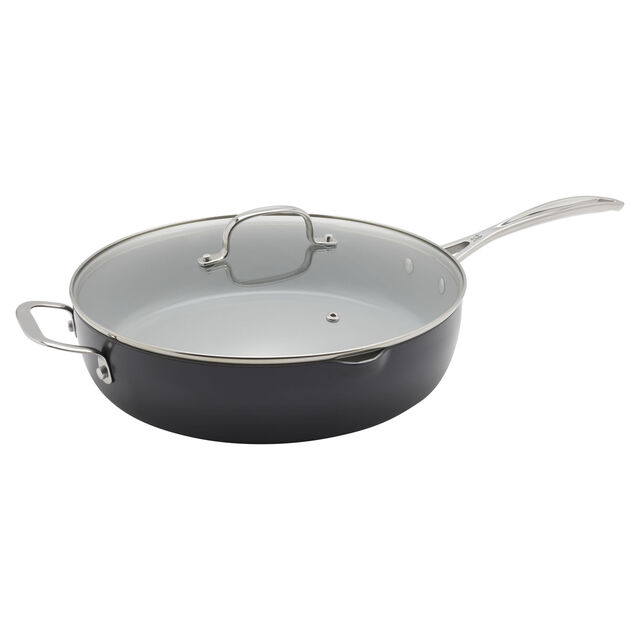
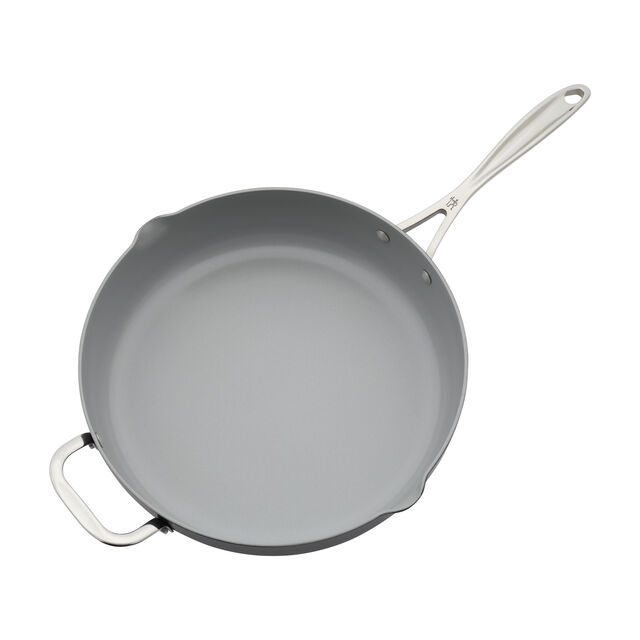
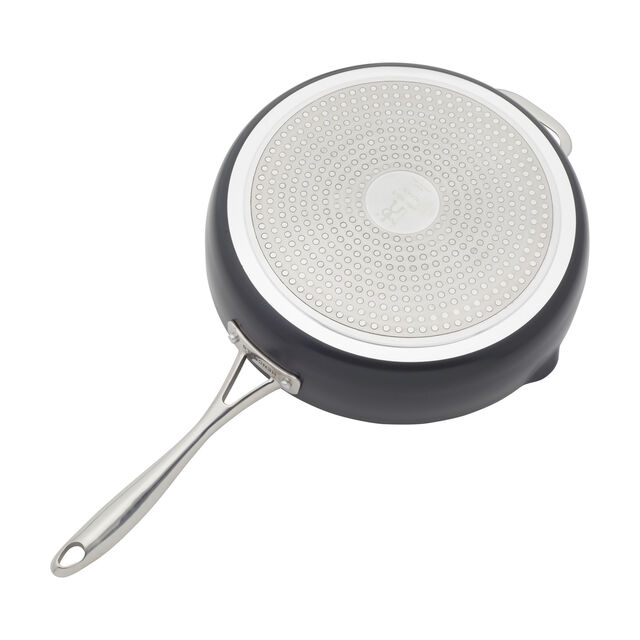
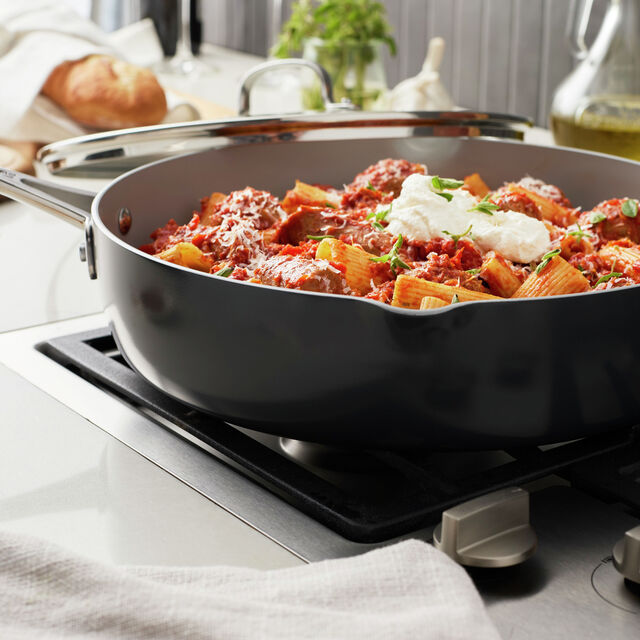
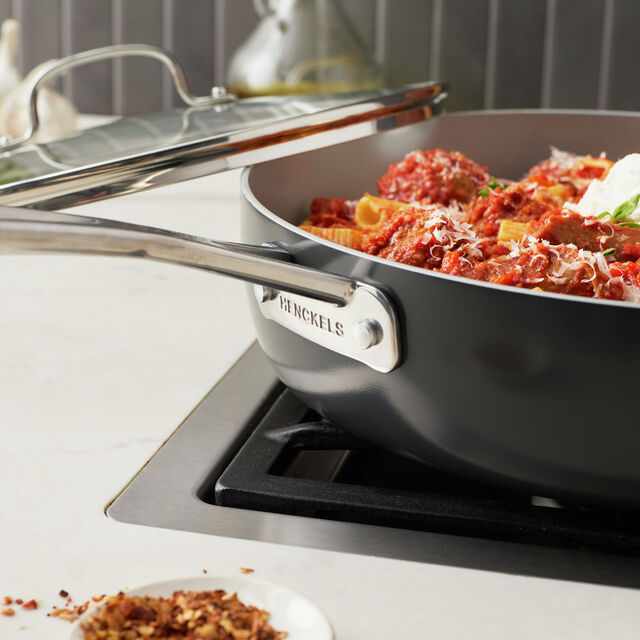
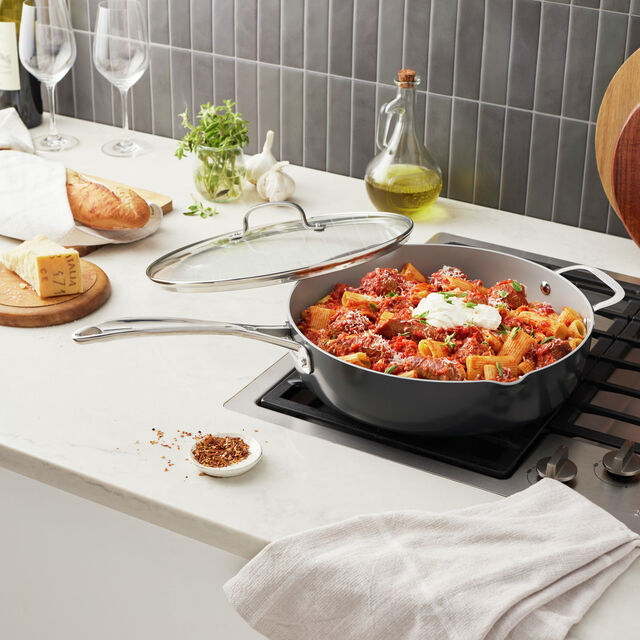
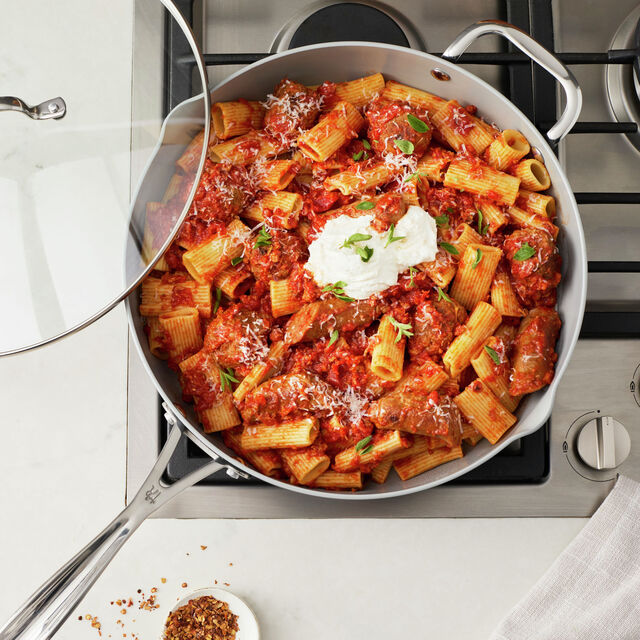
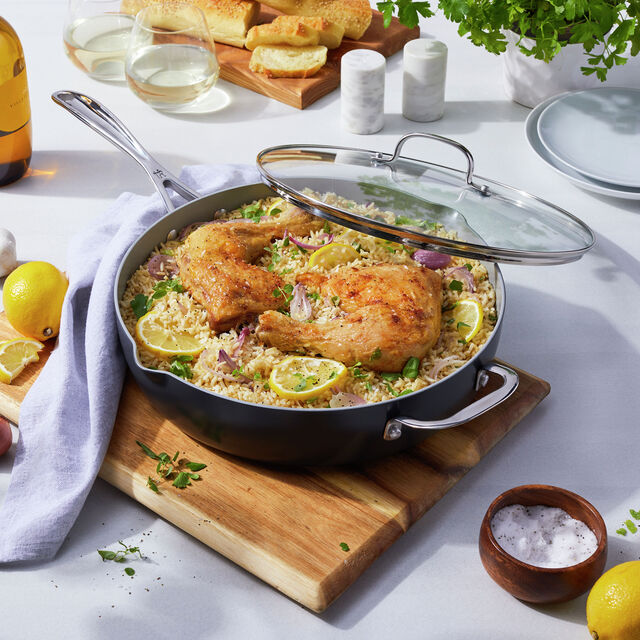
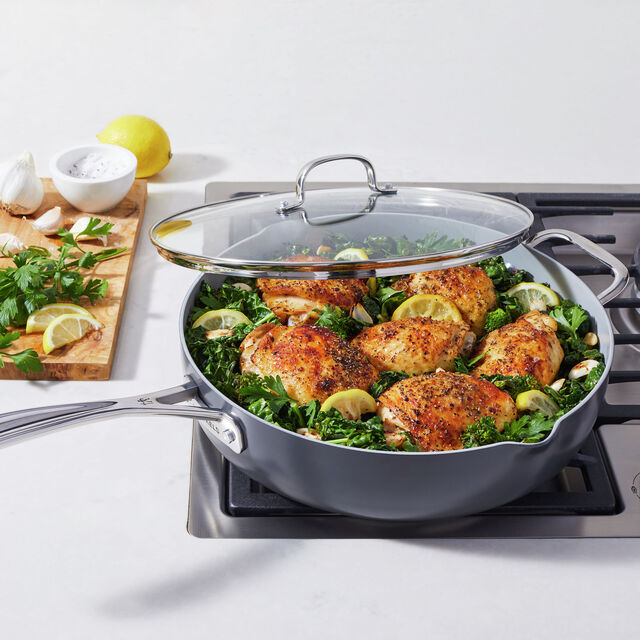
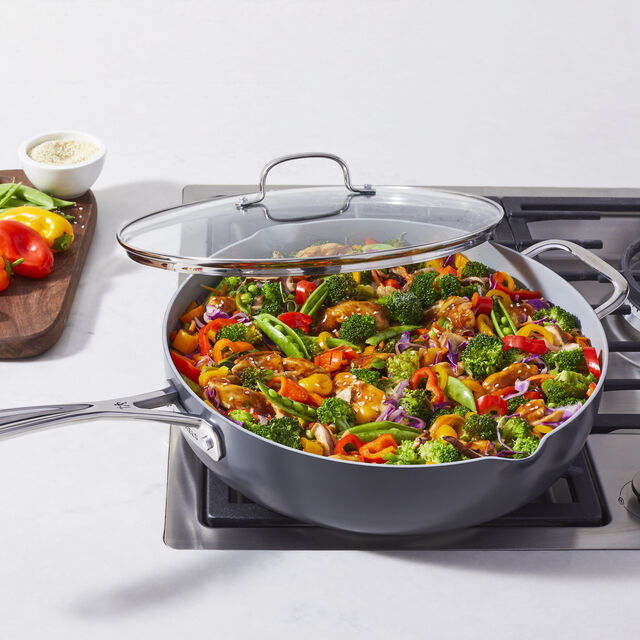
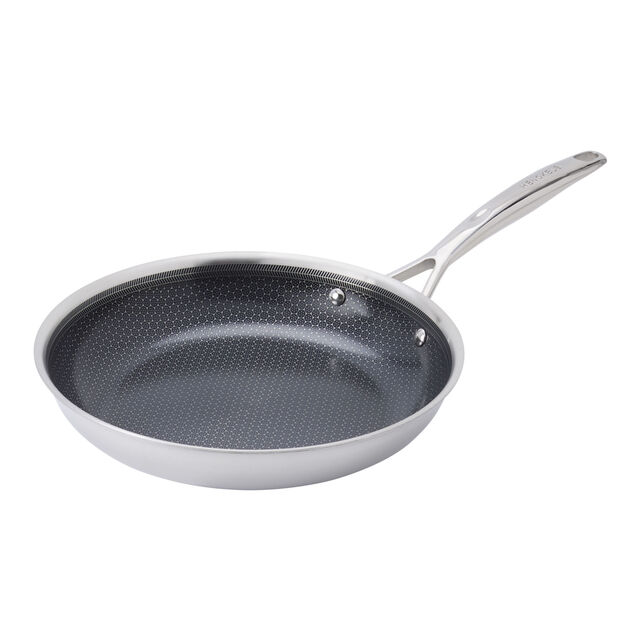
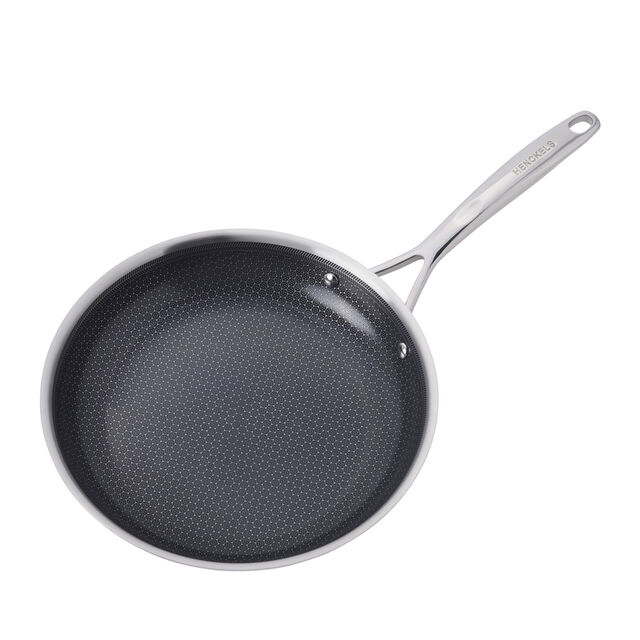
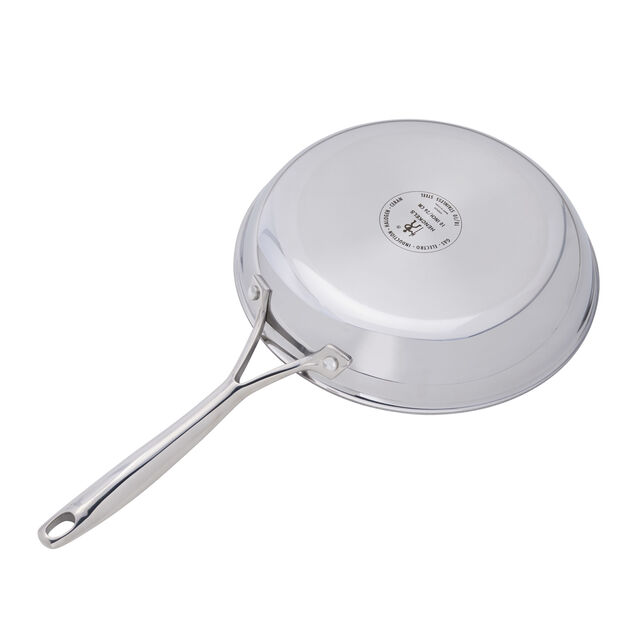
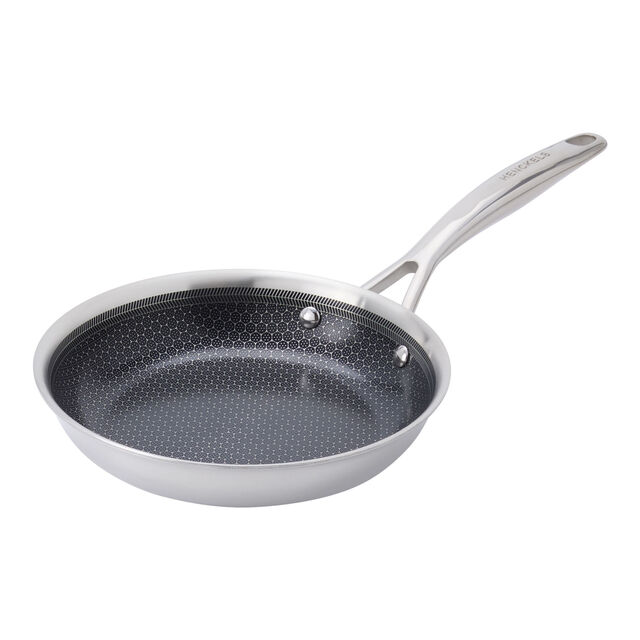
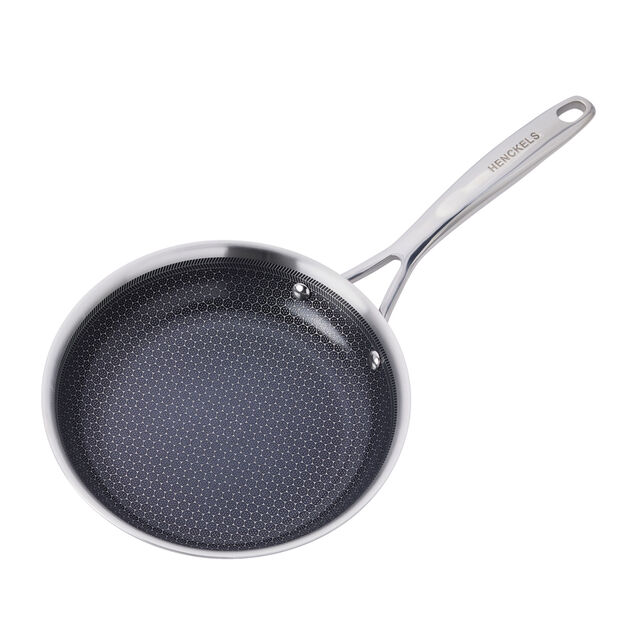
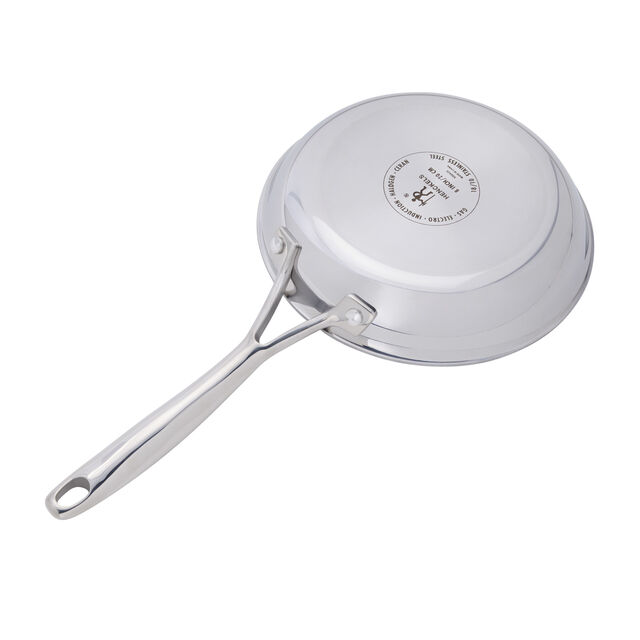
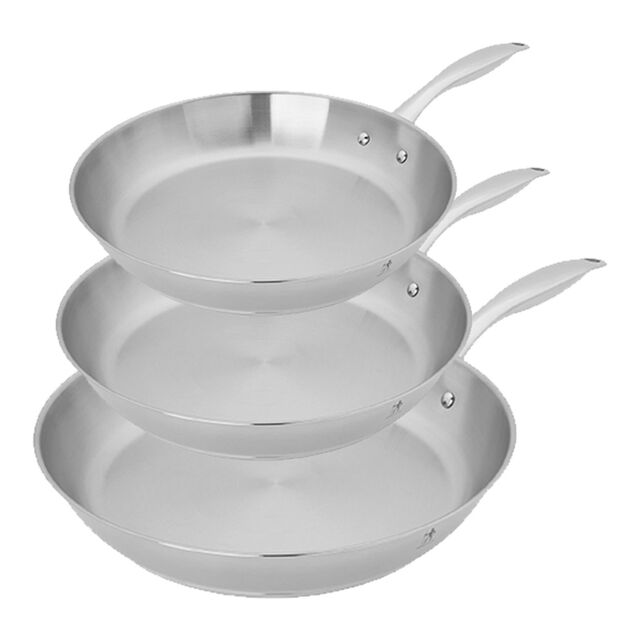
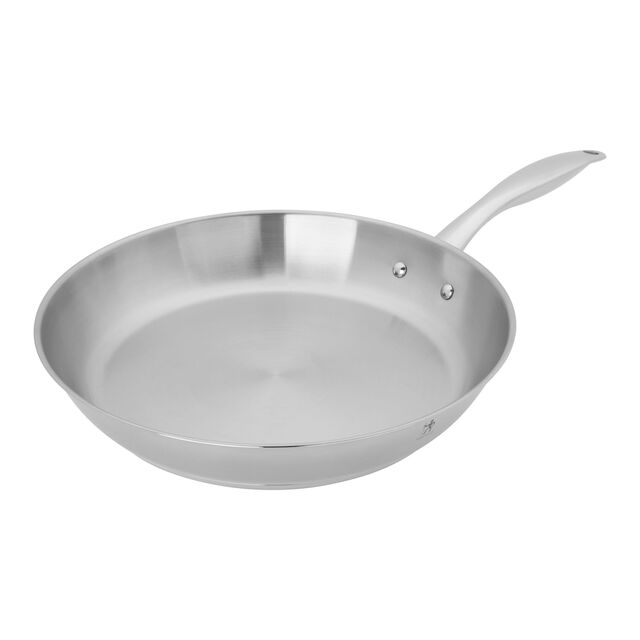
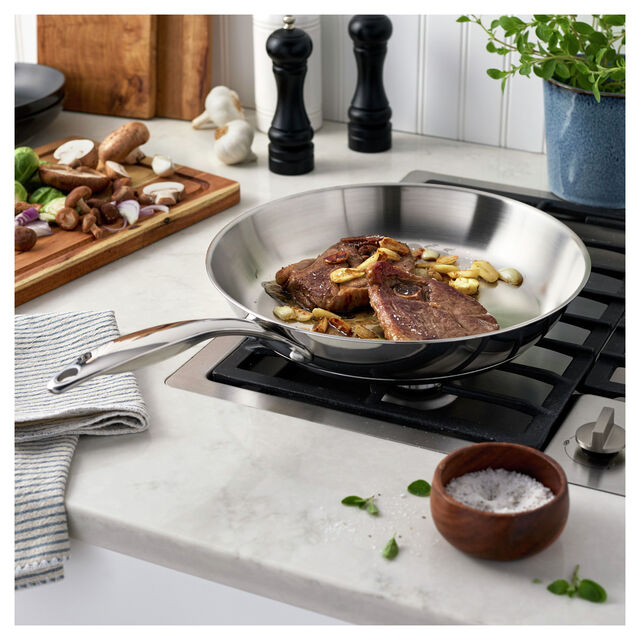
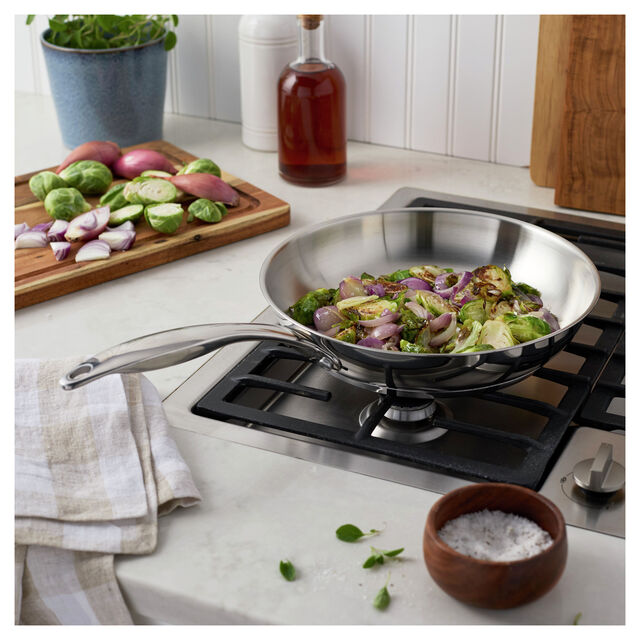
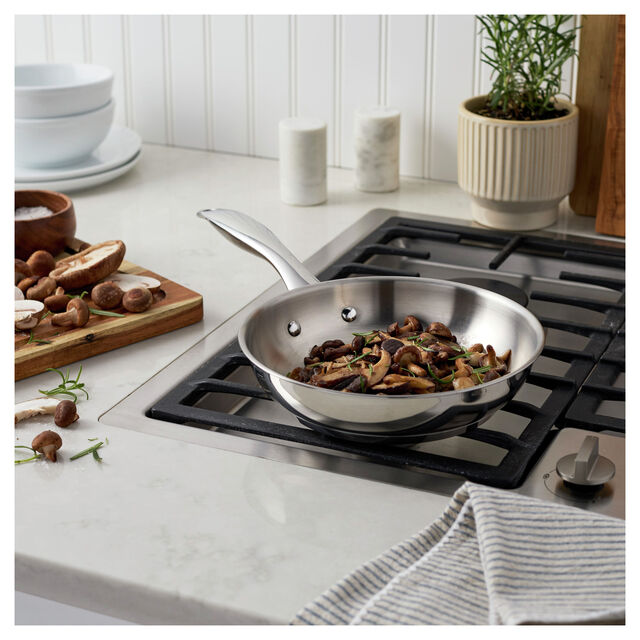
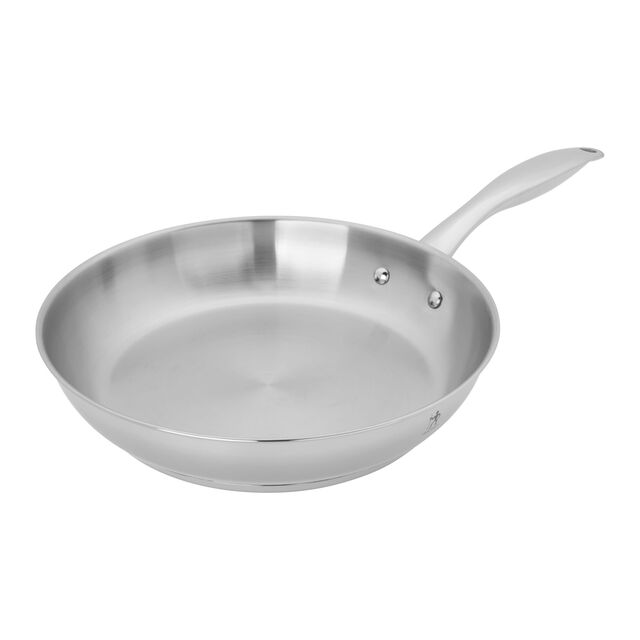
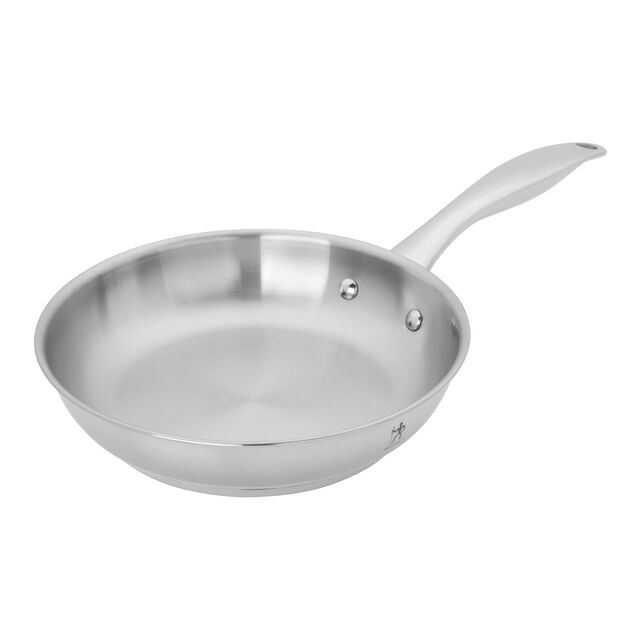
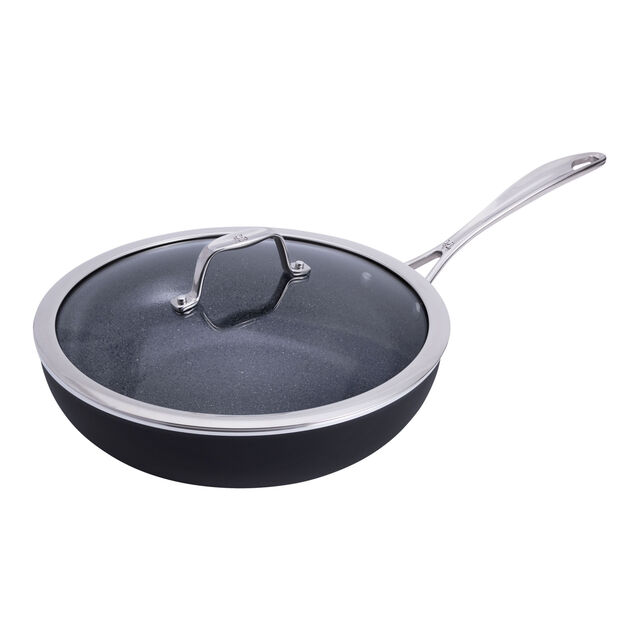
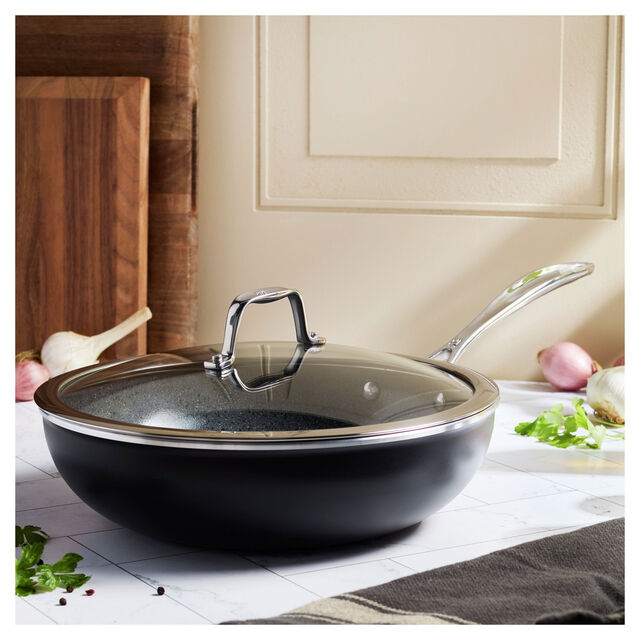
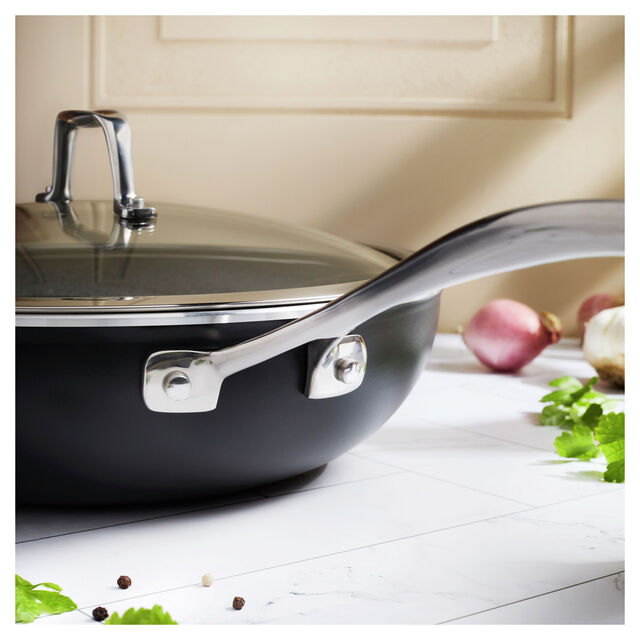
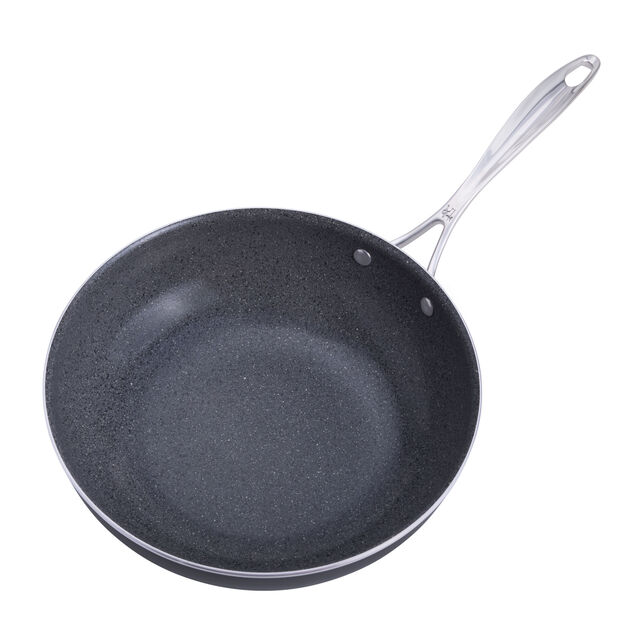
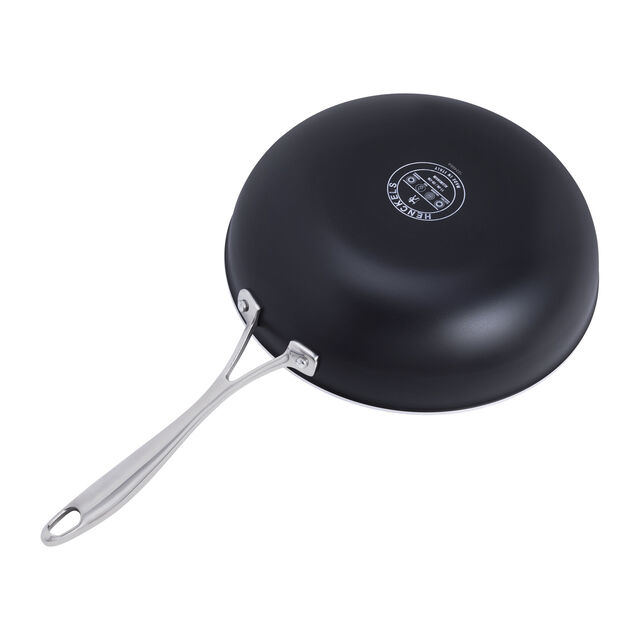
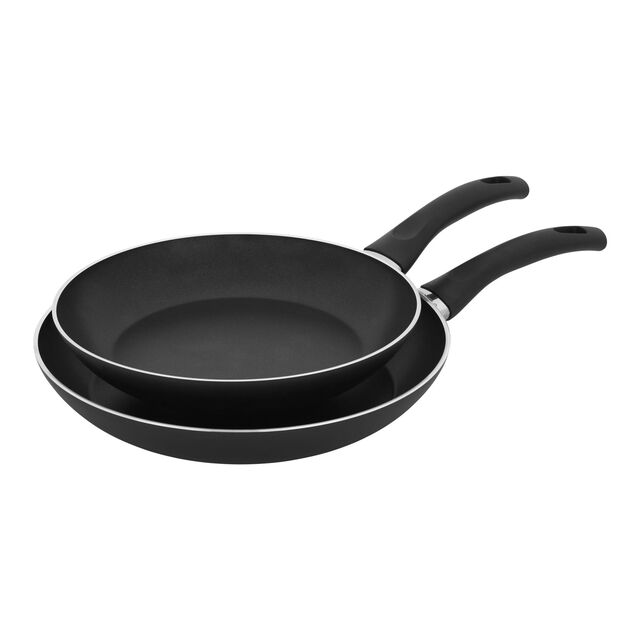
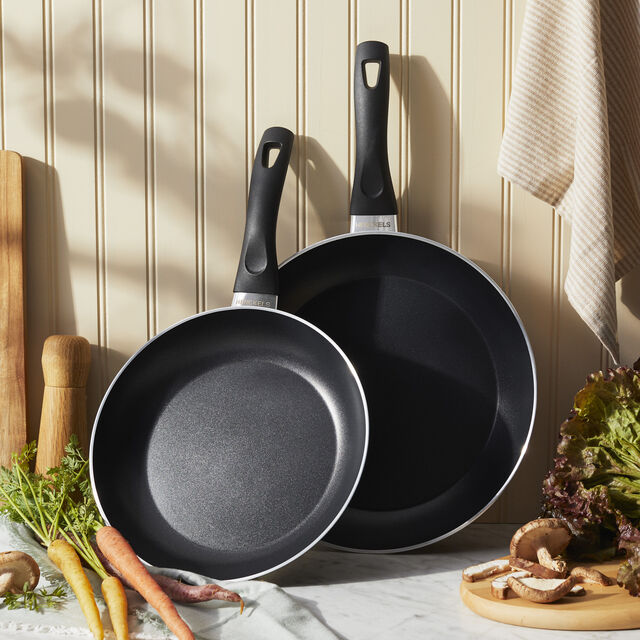
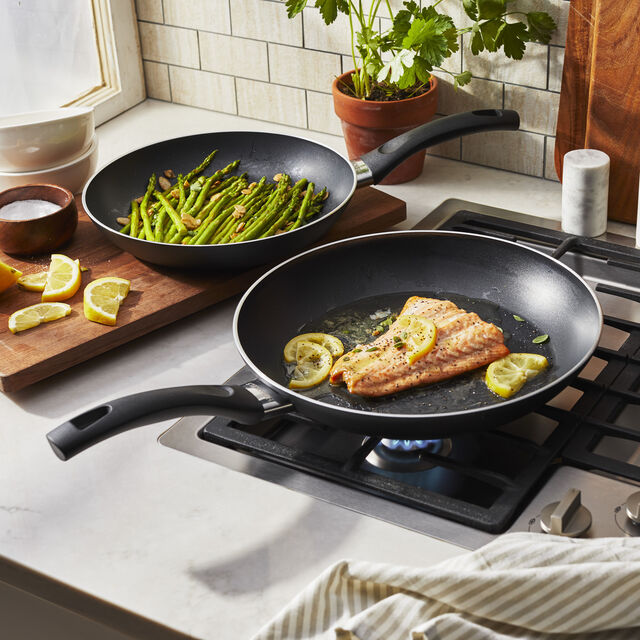
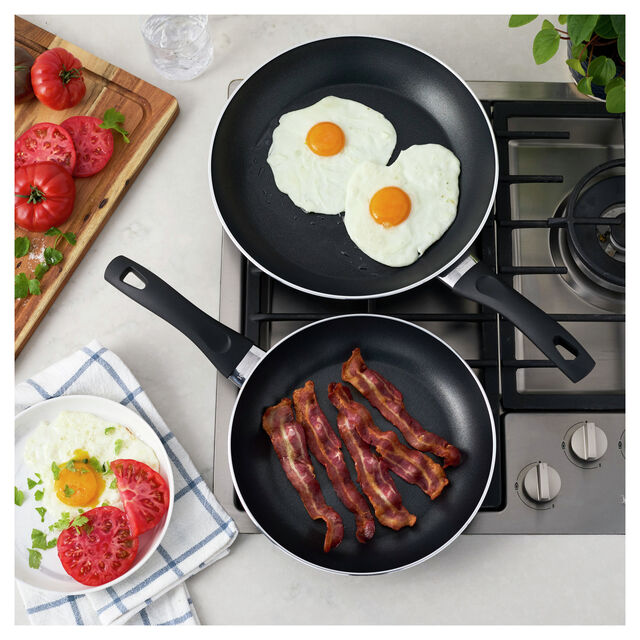
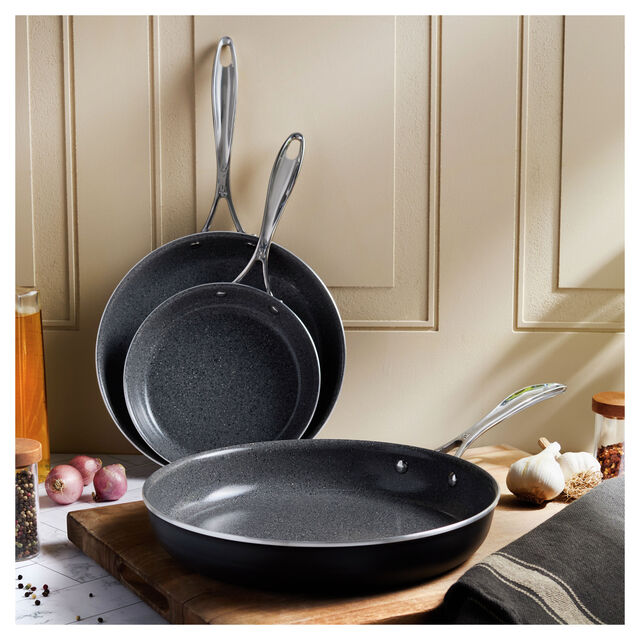
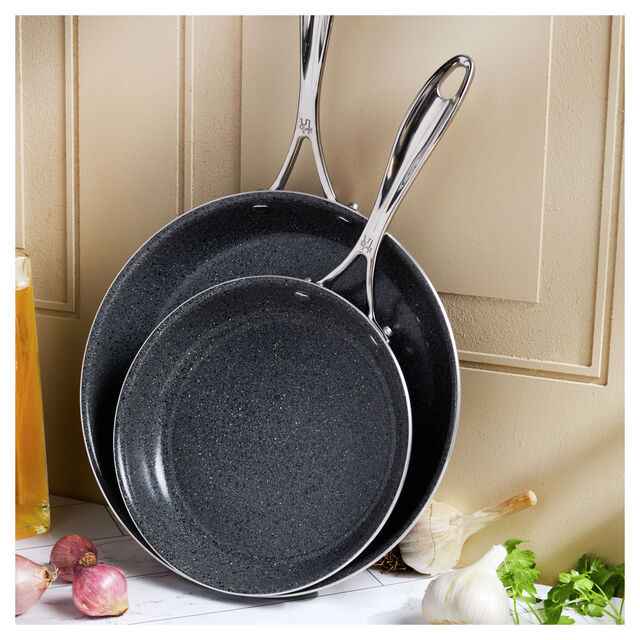
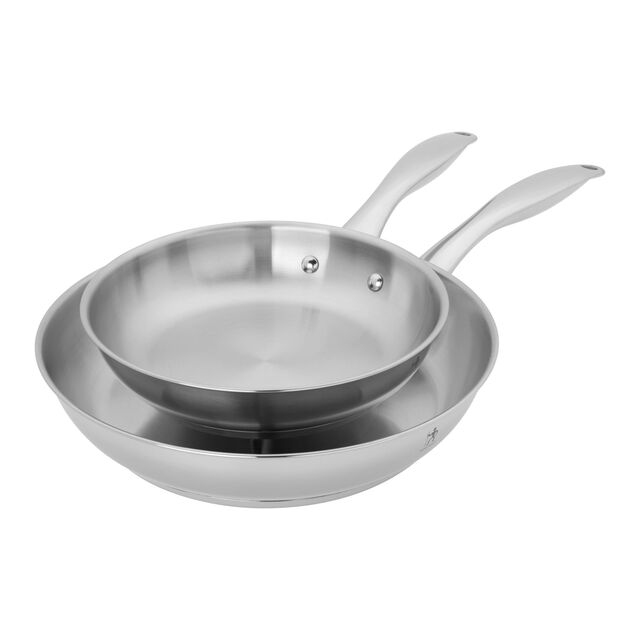
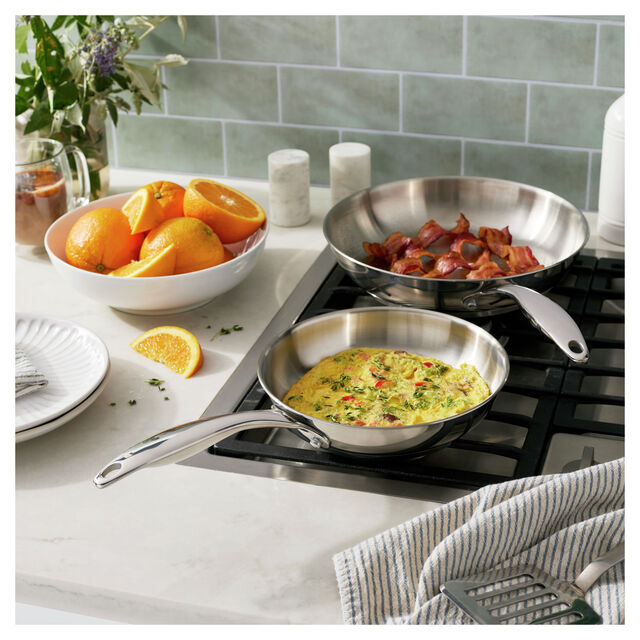
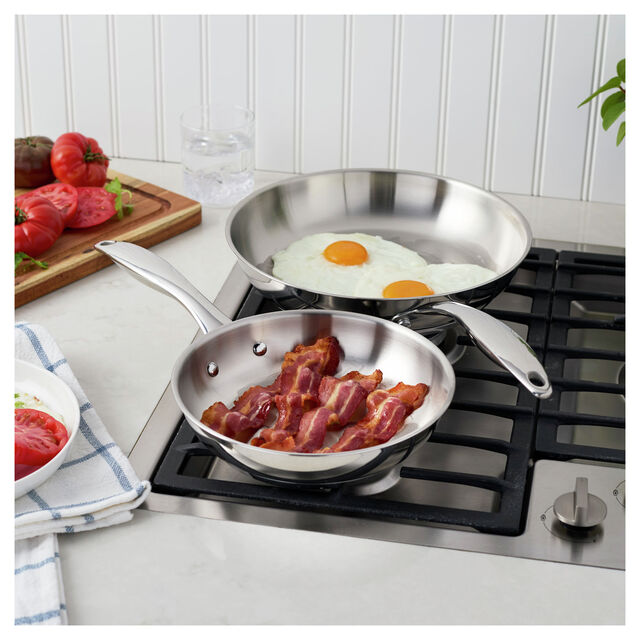
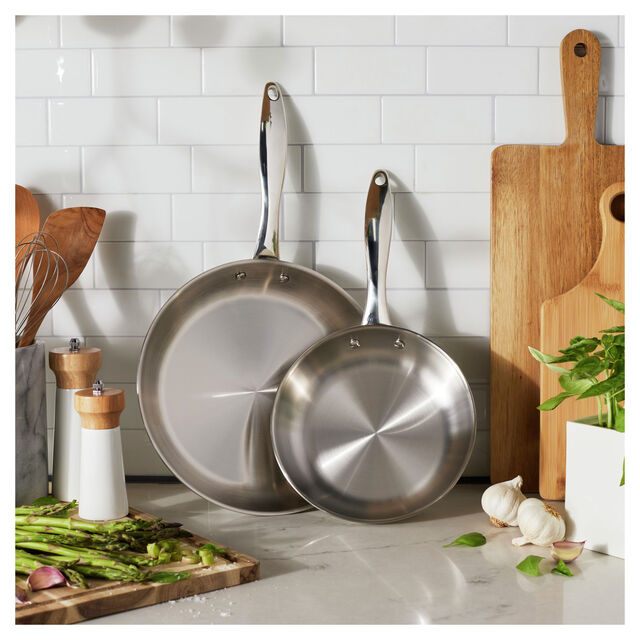
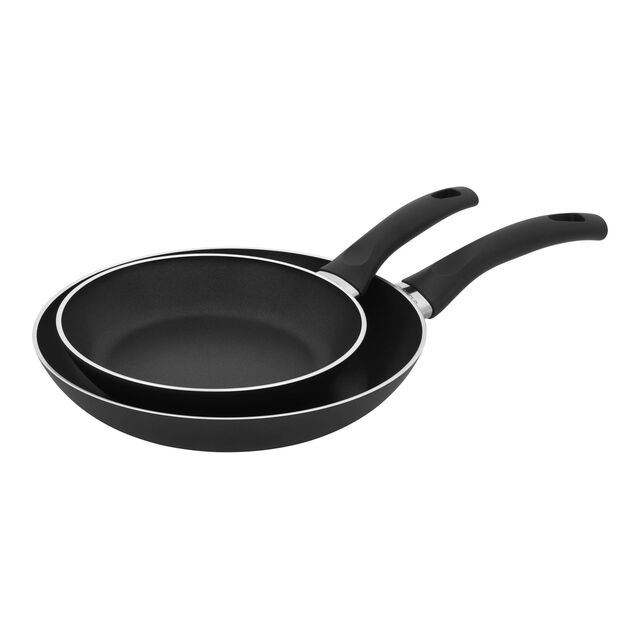
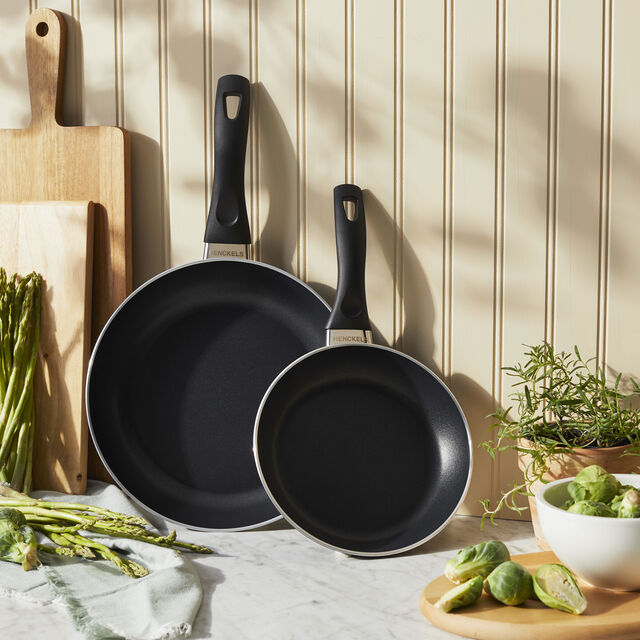
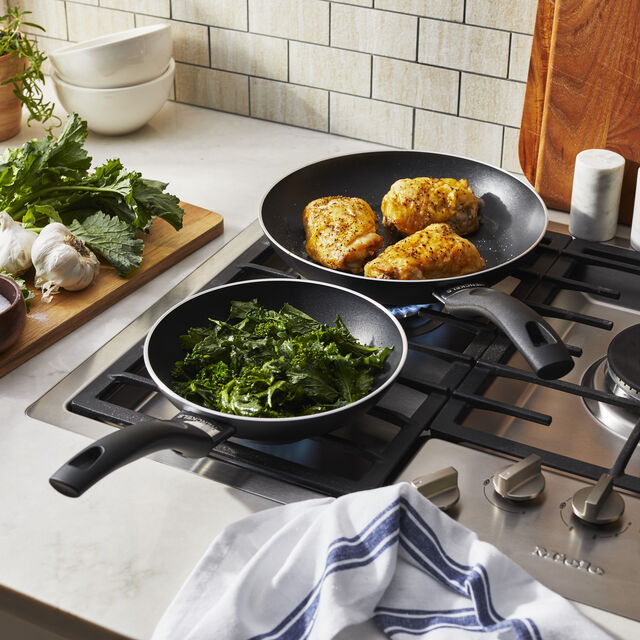
Browse a wide selection of nonstick skillets, stainless steel, aluminum, and ceramic coated fry pans for high-heat cooking. Available with or without lids, these pans are built for both home cooks and professional chefs, whether you need an affordable pan for everyday meals, a great nonstick pan for fried eggs, or a more versatile option for different cooktops.
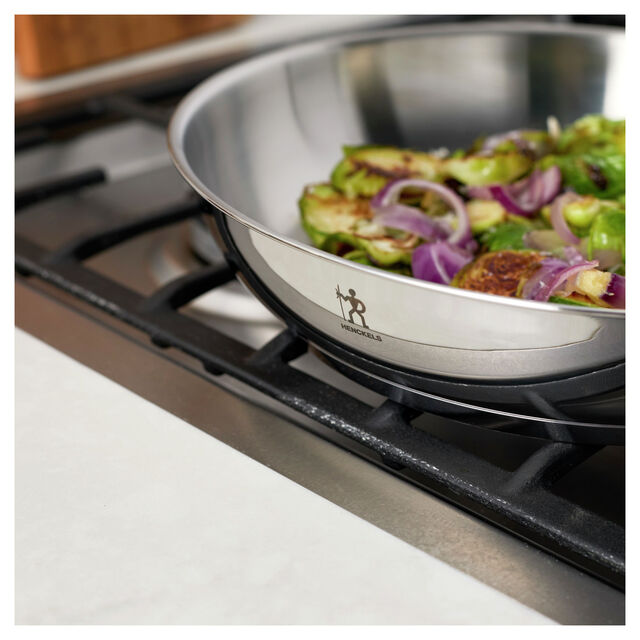
Crafted with durable materials and advanced coatings, HENCKELS frying pans are designed for strong nonstick performance, reliable heating, and easier cleanup. Whether you're cooking eggs, sautéing vegetables, or considering the best skillets for daily use, our collection helps you find the right pan for better cooking results, easier cleaning, and longer-lasting value.
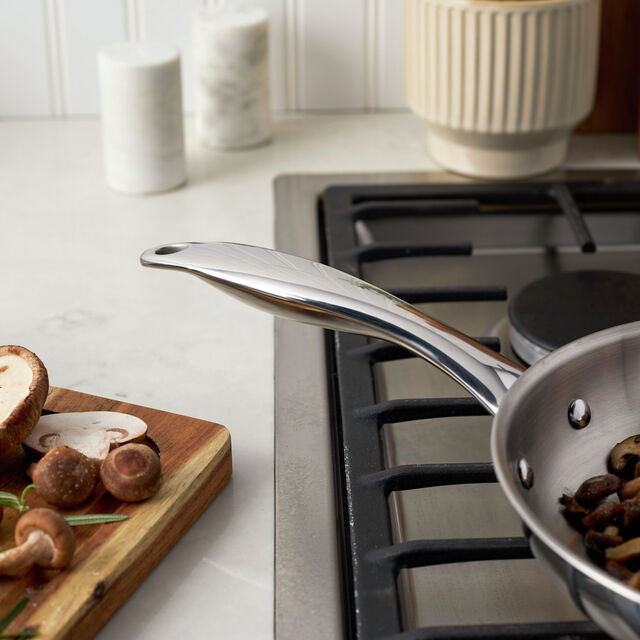
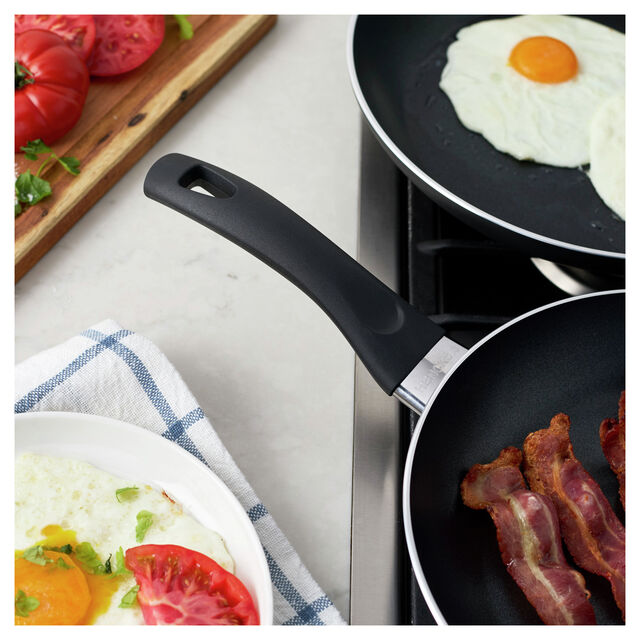
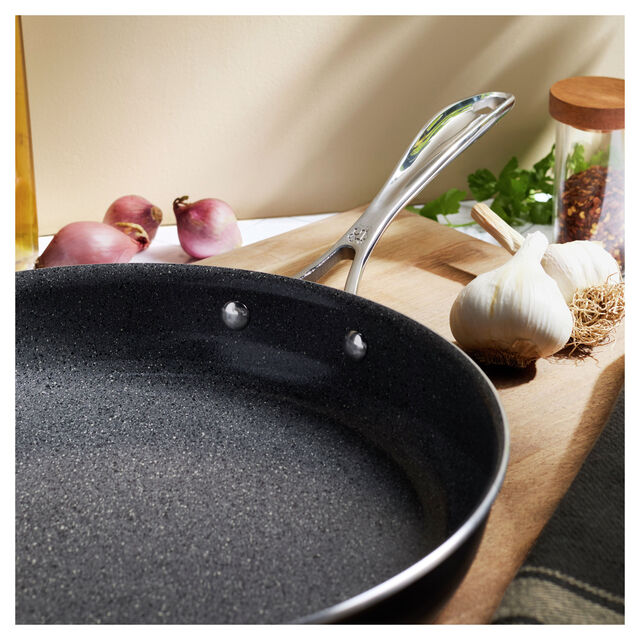
The highest performing best nonstick skillet options combine scratch-resistant durability, uniform heat distribution, and non-toxic safety. For everyday healthy cooking, look for thick aluminum construction that eliminates uneven hot spots and minimizes food burning. A substantial frying pan should feel heavy enough to hold heat yet light enough to maneuver comfortably, and premium choices also benefit from sturdy construction and a broad cooking surface, which make everyday cooking more practical. The pan's surface should have a long-lasting, multi-layer reinforced coating that ensures seamless food release without requiring excessive cooking oils. A stainless steel handle should stay cool during use for safer handling. To keep your kitchen eco-friendly, always verify that the non-stick surface is manufactured completely free from harmful chemicals like PFAS, PFOA, lead, and cadmium.
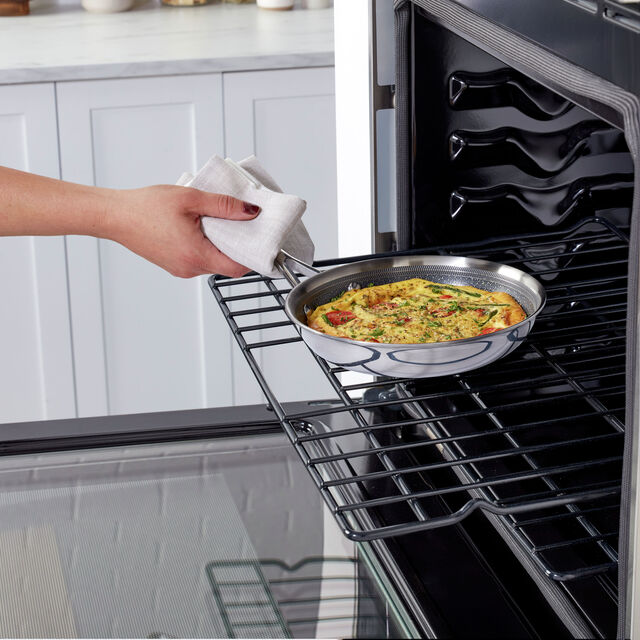
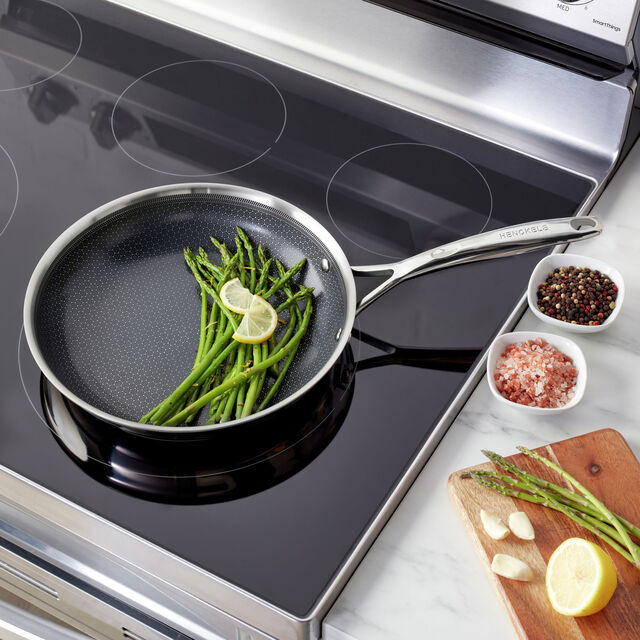
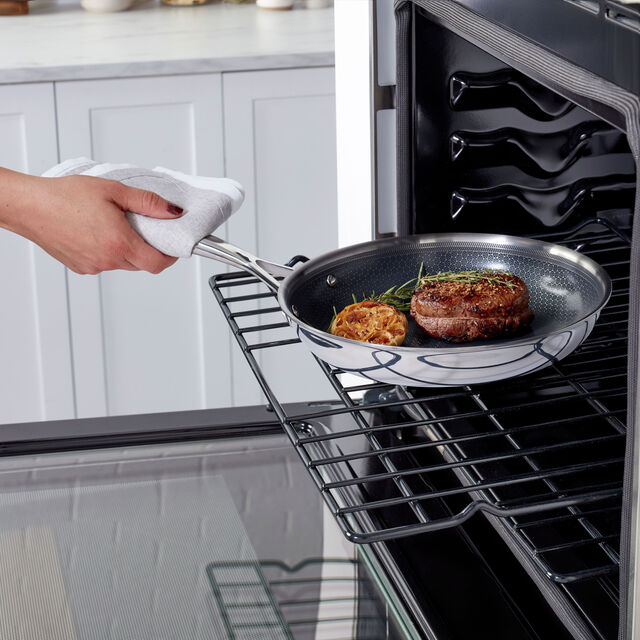
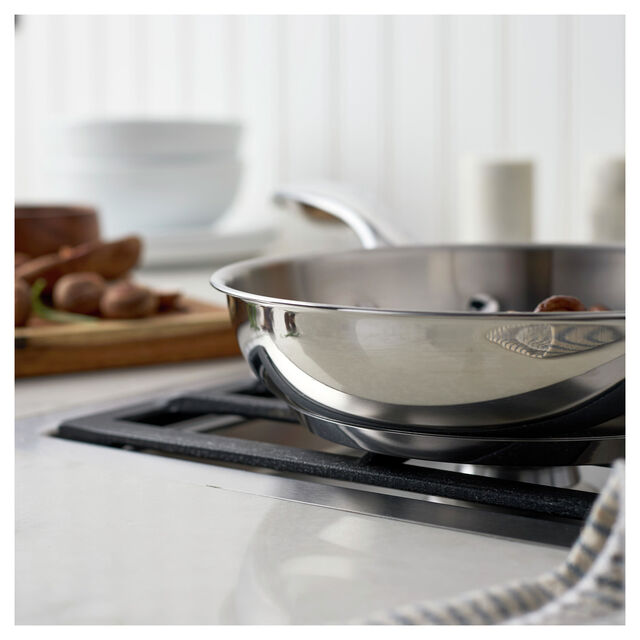
Yes, high-quality stainless steel skillets engineered with a magnetic base offer universal cooktop compatibility across gas, electric, and induction cooktops. Professional-grade options leverage a tri-ply design that sandwich a quick-heating aluminum core between layers of heavy-duty stainless steel to prevent warping and guarantee even heat distribution. A flat, induction-compatible base also helps the pan stay stable and transfer heat efficiently on induction cooktops. Selecting a versatile, induction-compatible stainless steel pan allows you to brown, sear, and stir-fry effortlessly, while an oven safe pan with a stainless steel handle is easier to move from the stovetop directly into a high-heat oven.
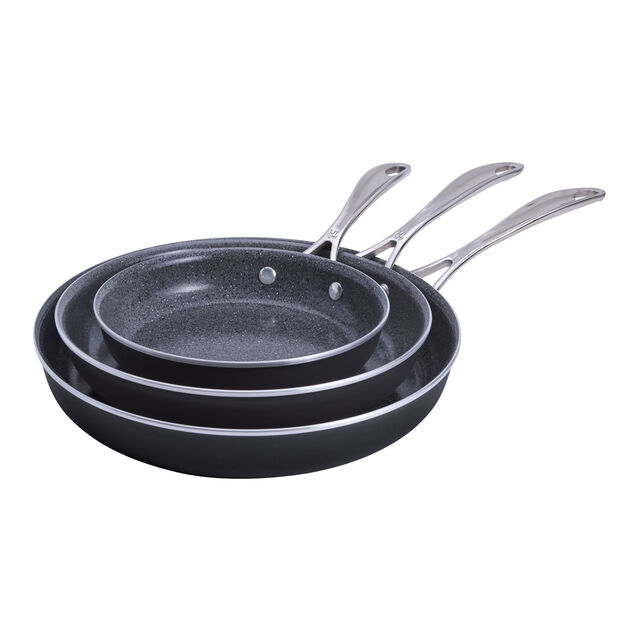
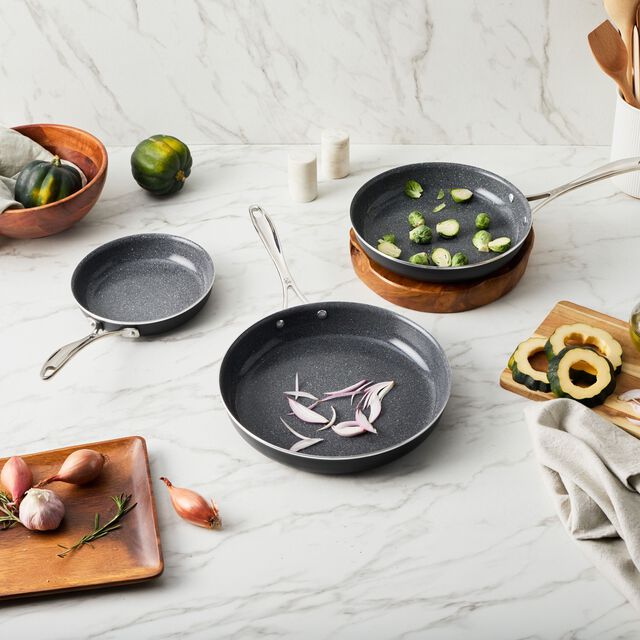
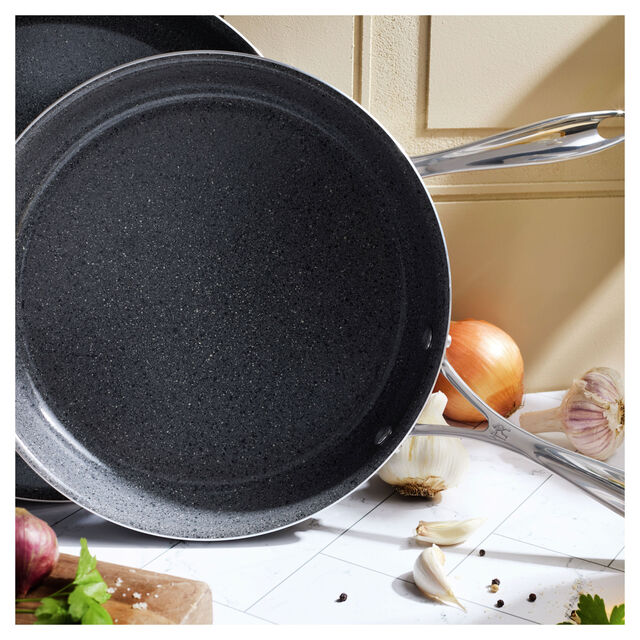
Ceramic coatings are made from silica-based sol-gel materials, unlike ceramic skillets and ceramic nonstick cookware as a broader category, which can vary widely in how their coatings are built and how they wear. A ceramic pan or ceramic nonstick skillet uses a ceramic nonstick surface rather than traditional PTFE chemistry. Although traditional nonstick coatings are often made from PTFE, like Teflon, our ceramic nonstick skillets utilize a natural, sand-derived coating to provide a slick, chemical-free cooking surface that effortlessly releases food; those nonstick properties affect both cleanup and how long the pan's coating stays effective.
Ceramic coatings often rely on silicone oil within the sol-gel layer, which wear down over time. While standard non-stick surfaces can wear down under high temperatures, advanced ceramic cookware can tolerate heat well in normal use, though very high temperatures still accelerate wear, and this line is oven-safe up to 500°F (260°C). For the ultimate versatility, modern hybrid non-stick cookware layers a ceramic coating beneath an elevated stainless steel lattice pattern, rather than relying only on hard anodized aluminum or aluminum-core builds for performance. This dual-performance design allows home chefs to achieve the professional browning and searing power of steel alongside the stress-free cleanup of a traditional non-stick surface. Ceramic nonstick cookware may look similar to other nonstick pans, but durability can differ significantly.
Ceramic nonstick coatings degrade faster than PTFE coatings while typically lasting about one year. Though traditional nonstick pans can last 3-5 years with proper care, making it so that ceramic options often have a shorter lifespan than PTFE, choosing PTFE-free options reduces the risk of exposure to fluorinated compounds as PTFE coated cookware might release.
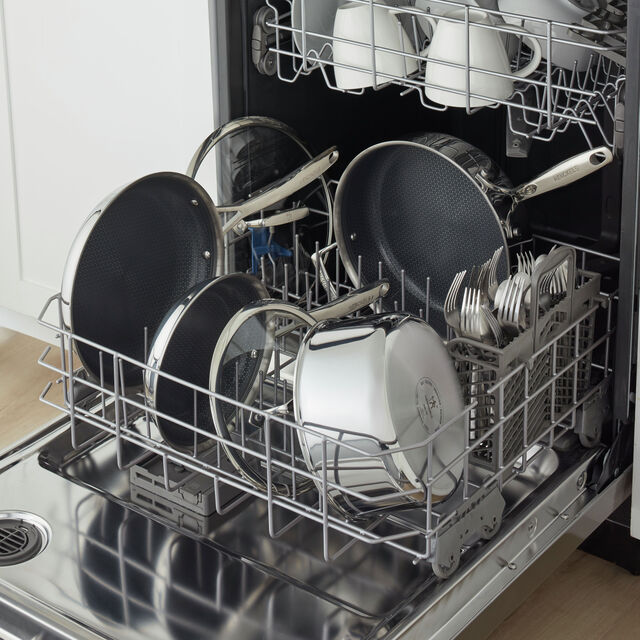
Avoid high heat to prevent coating degradation, as medium heat is usually the better default for preserving the coating. Using silicone utensils helps reduce wear, and metal spatulas can speed it up even on pans marketed with scratch resistant coatings. Never preheat nonstick pans empty; always add oil. Heating a dry pan is especially hard on the coating when you are cooking eggs or other delicate foods. Hand-wash nonstick pans to prolong their lifespan, even if they are labeled dishwasher safe. Do not use steel wool on the nonstick surface; a soft sponge or paper towel is a safer choice for cleanup. Also avoid shocking the pan with boiling water right after cooking, since that can stress the coating. Food starts sticking when the pan's surface loses its release, which is usually the sign that it is time to replace the non stick pan or upgrade to a new nonstick skillet.
If you’re looking to expand beyond skillets, explore our available cookware sets designed to equip your kitchen fully. For great savings on cookware and kitchen essentials, visit our sale page. There, you’ll find limited-time offers and exclusive deals available only on the Henckels Canada website, with select products discounted to suit your budget.