✔︎︎ Official Henckels Canada Shop ✔︎ Free Shipping Over C$99


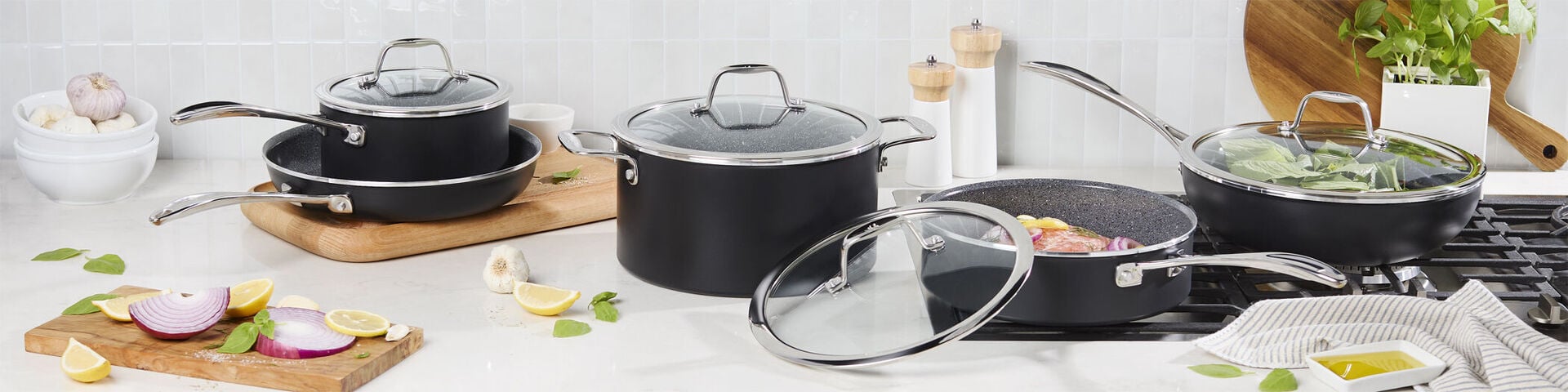

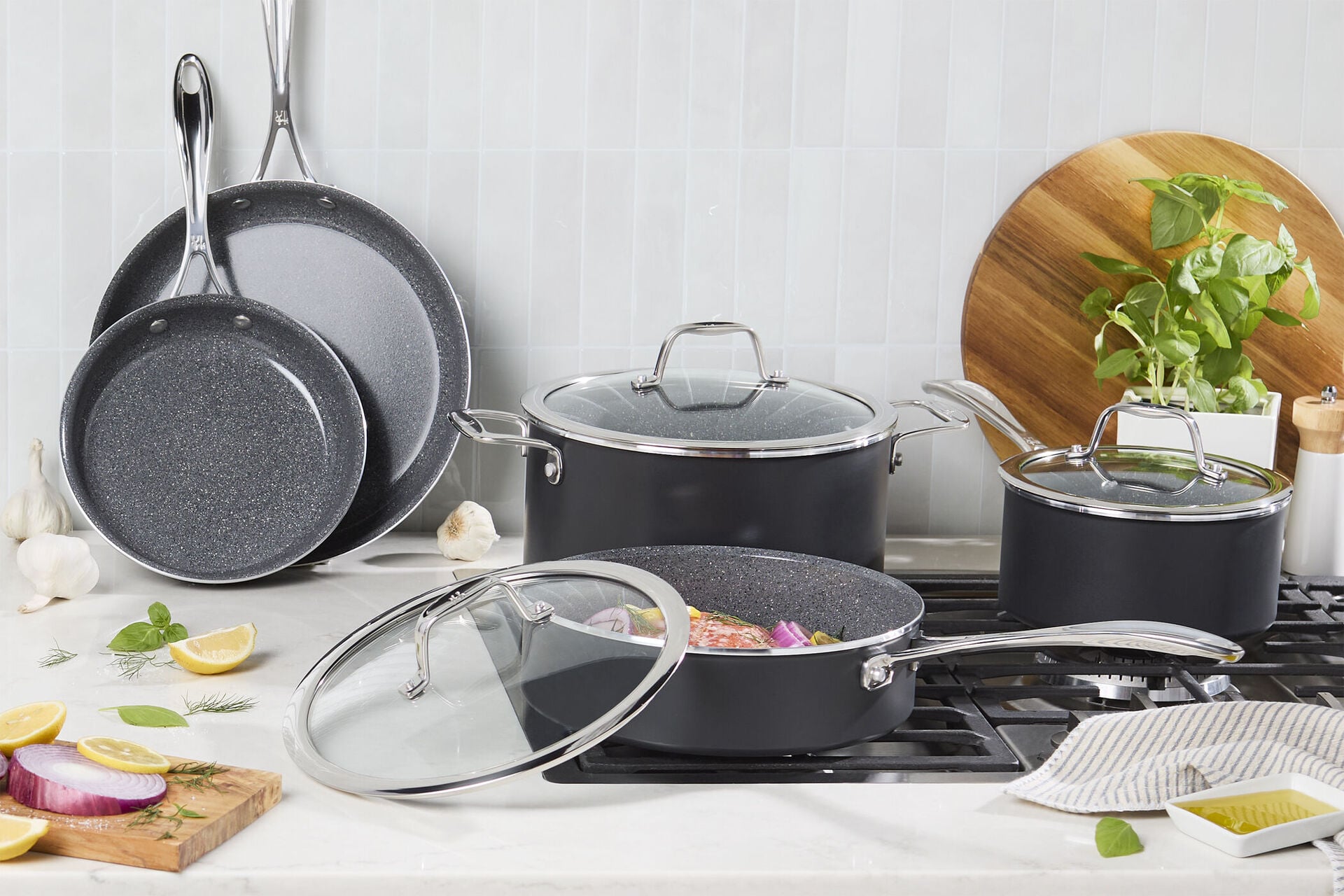
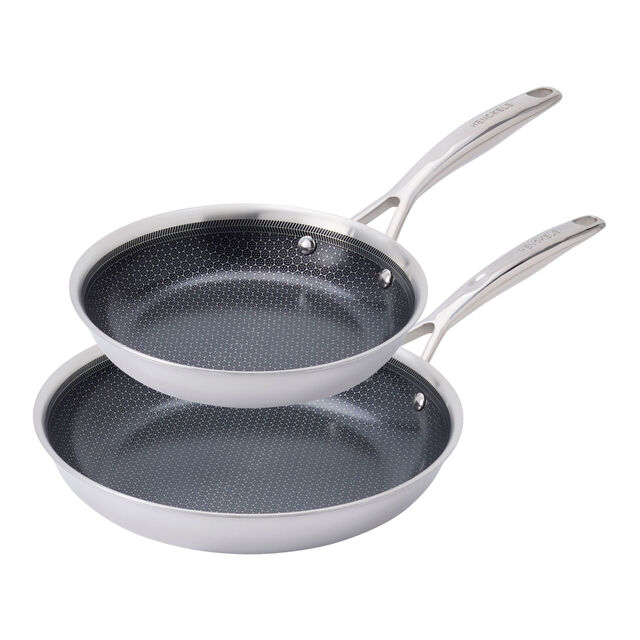
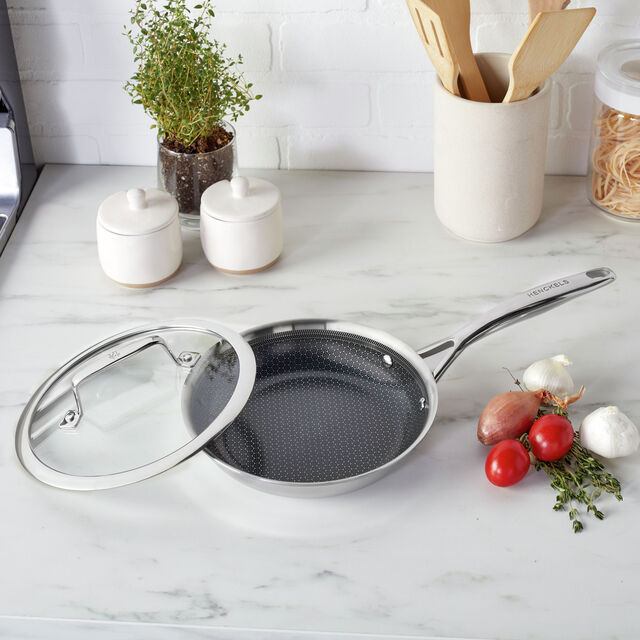
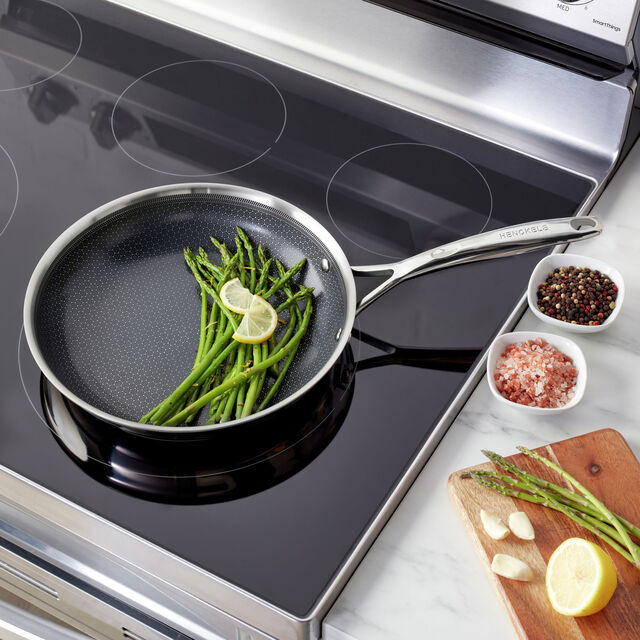
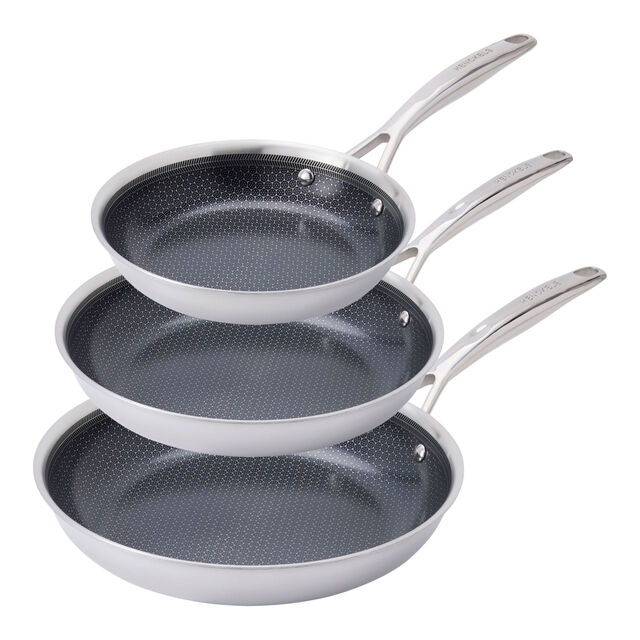
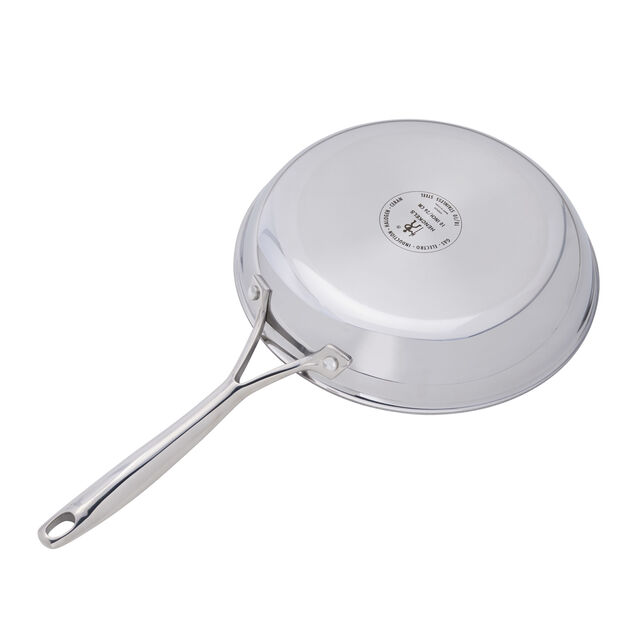
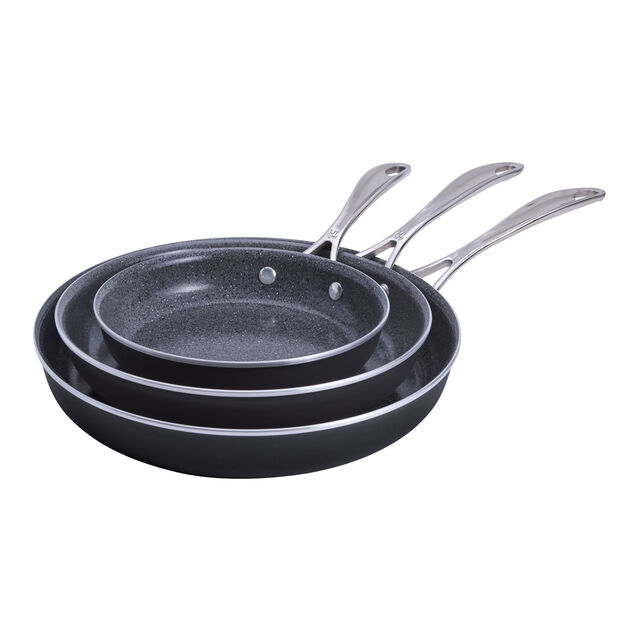
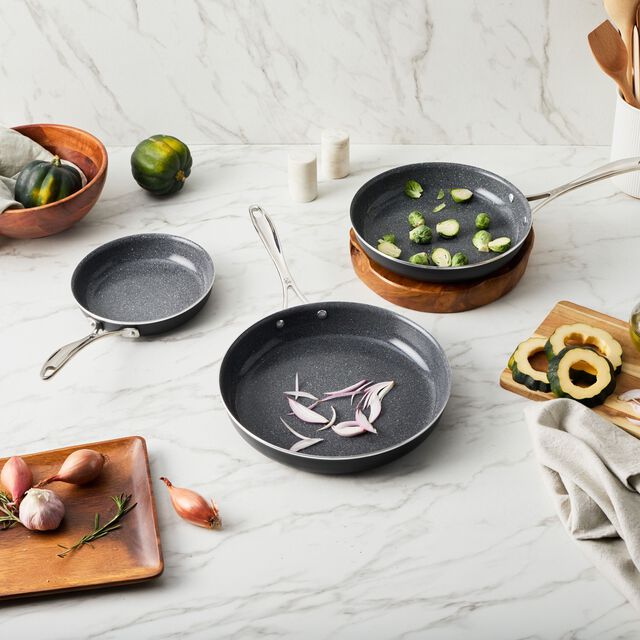
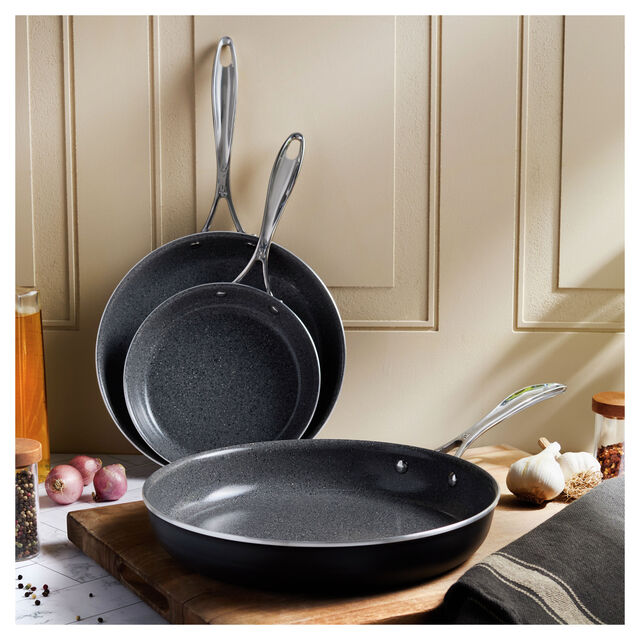
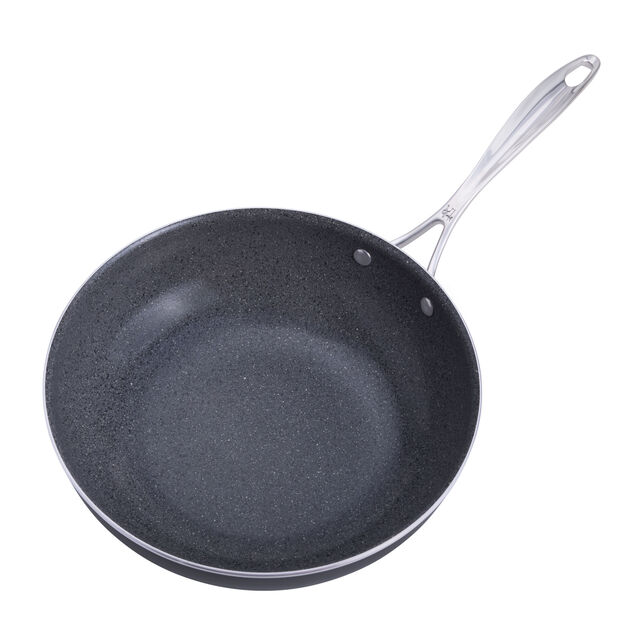
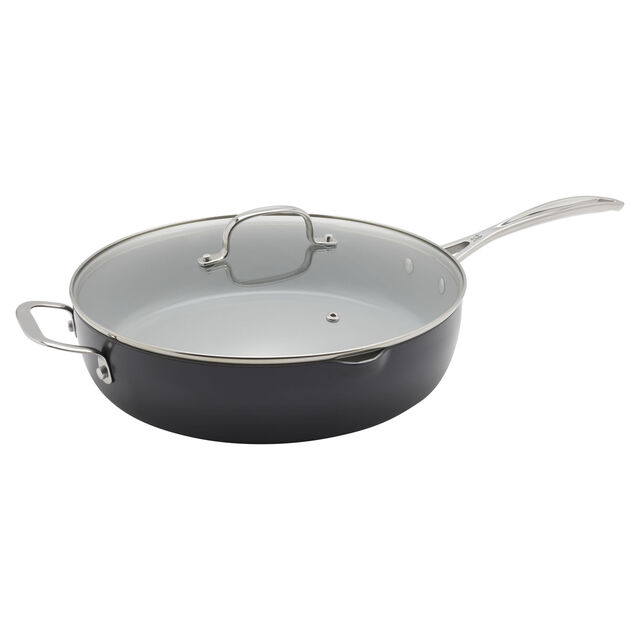
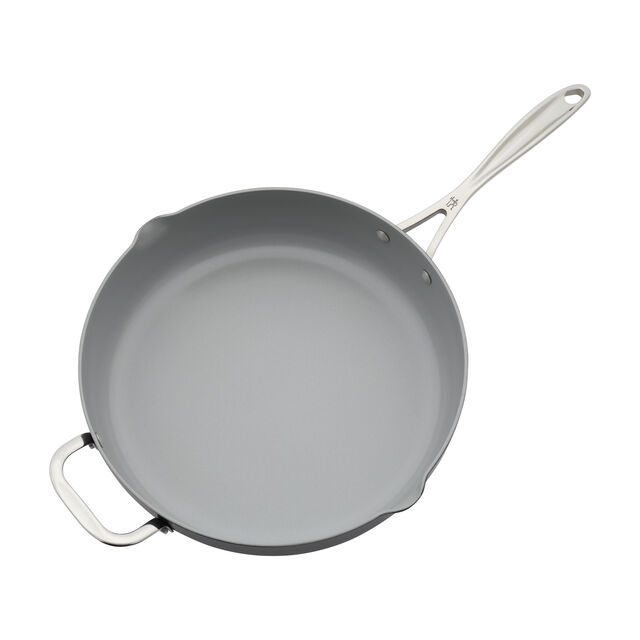
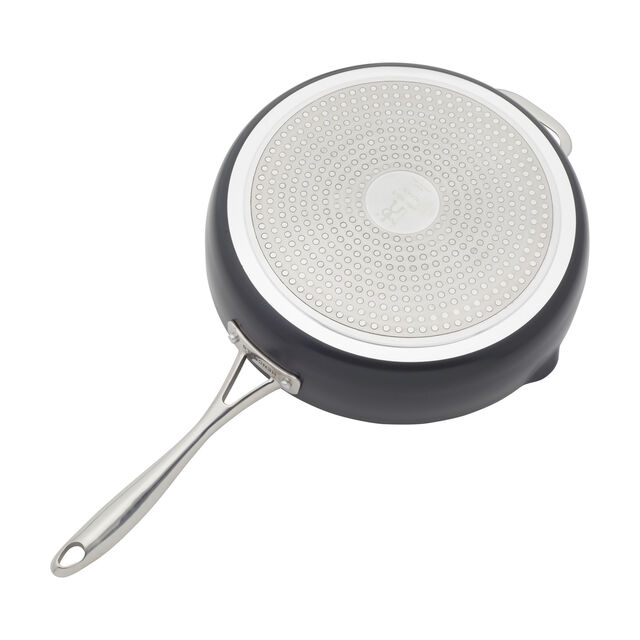
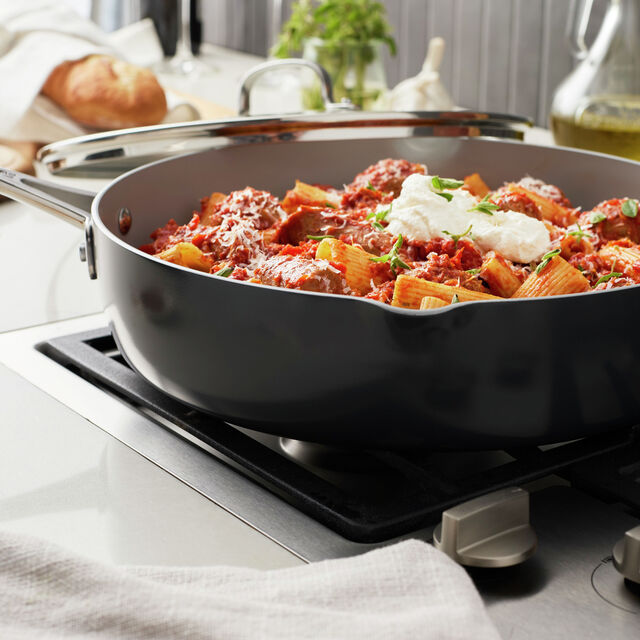
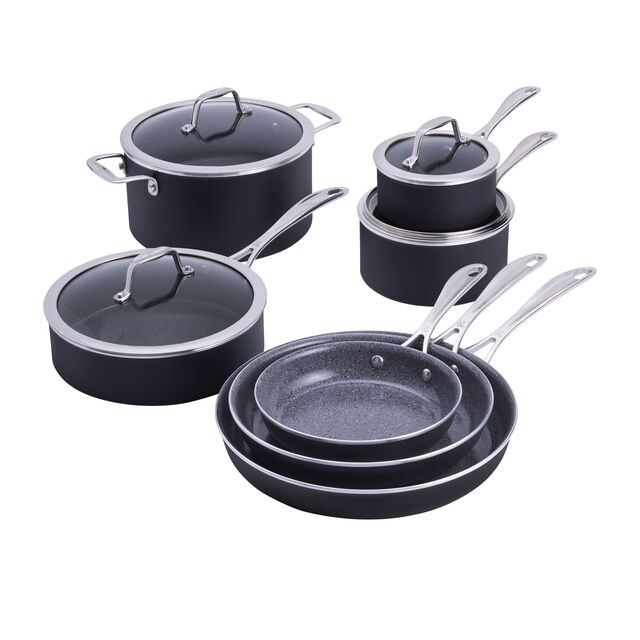
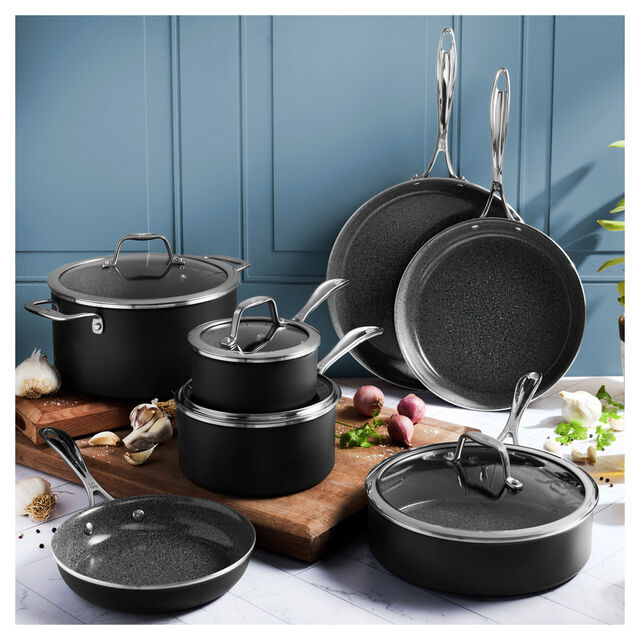
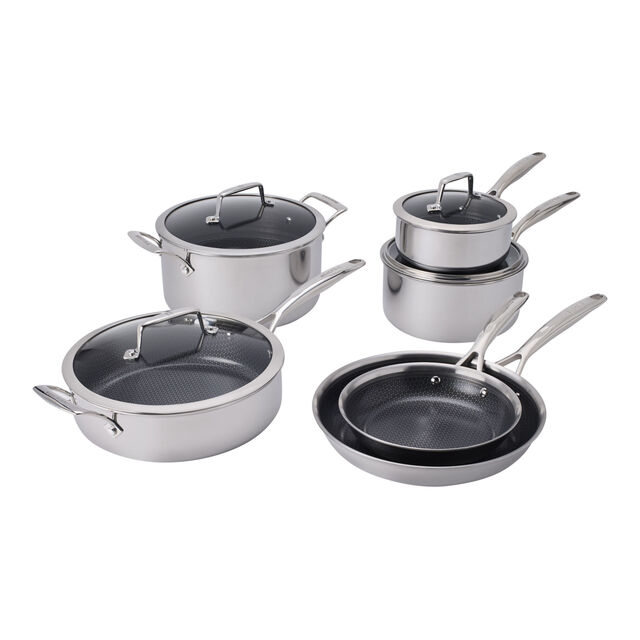
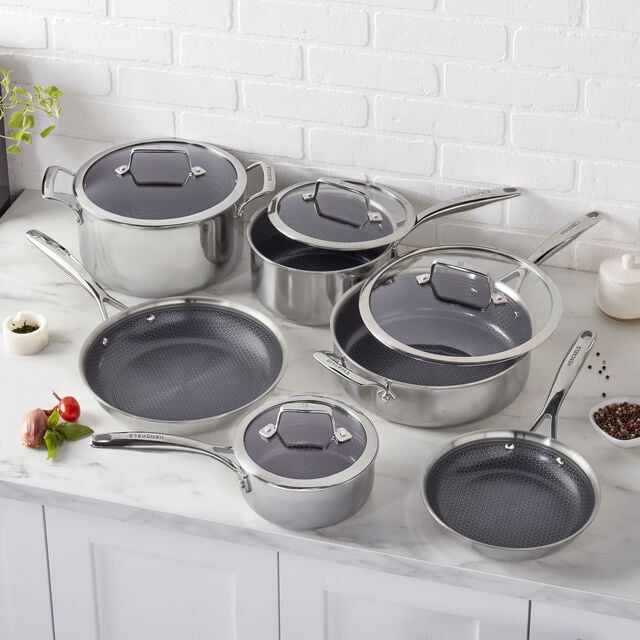
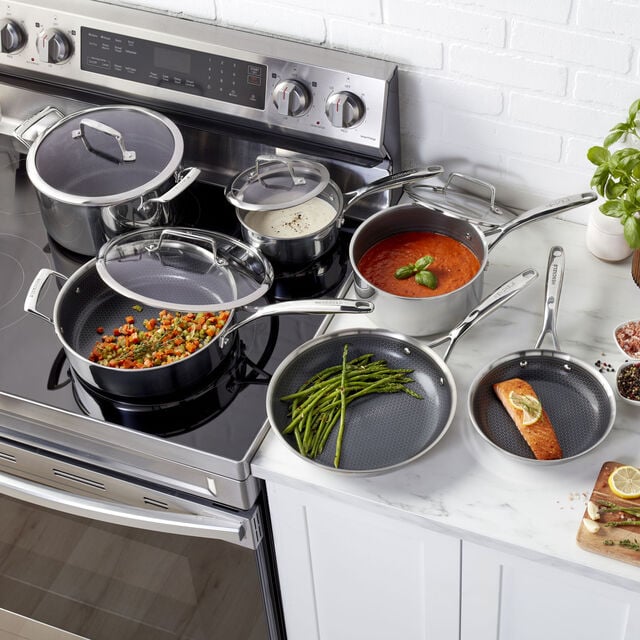
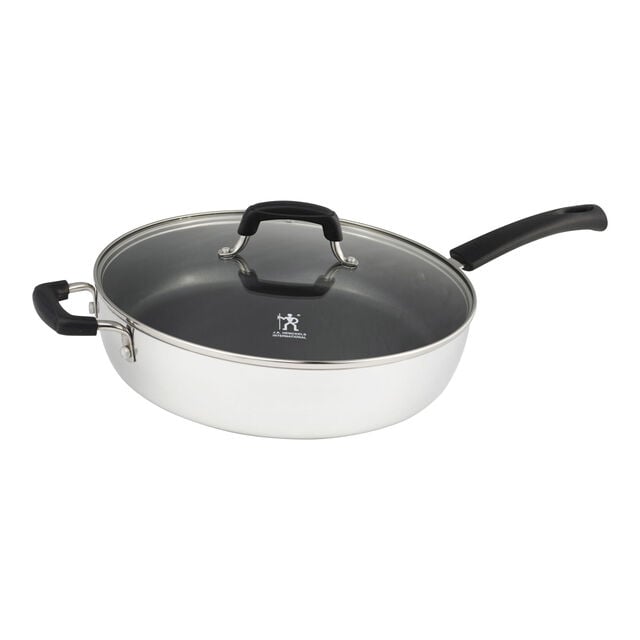
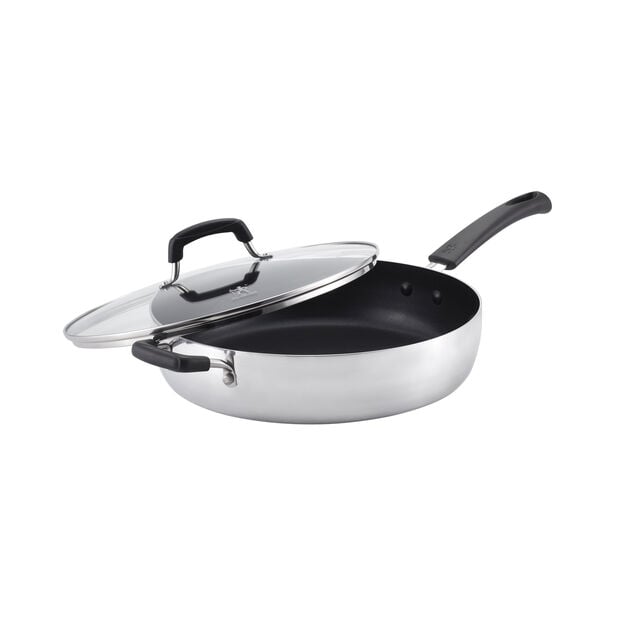
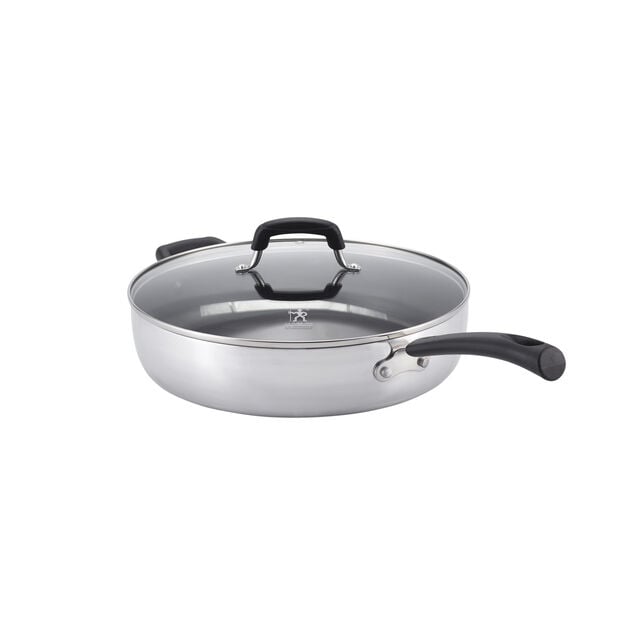
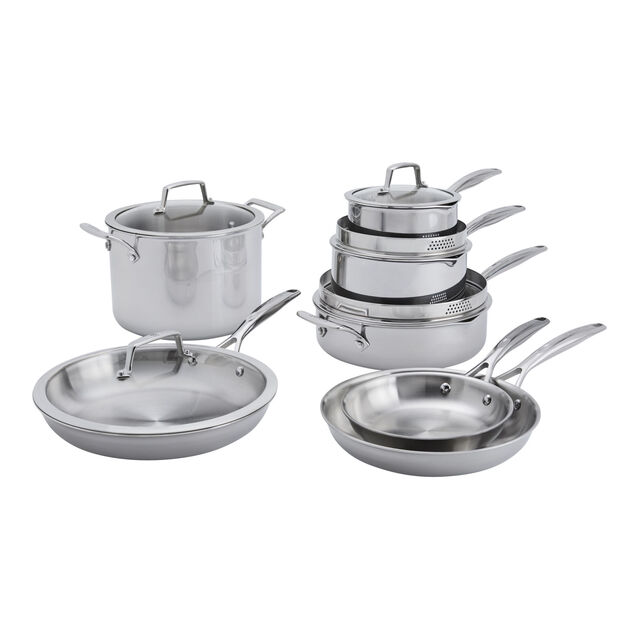
From Italian nonstick to traditional stainless steel and toxic-free ceramic coated, explore pots, pans, cookware sets, and crepe-pan-friendly options that help you compare single pieces versus sets and choose the right material for everything from delicate crepes to everyday meals. Henckels cookware combines innovative design with durable materials to deliver exceptional cooking performance, allowing you to pick the right pan and build a cookware collection that makes meal preparation easier and more enjoyable.
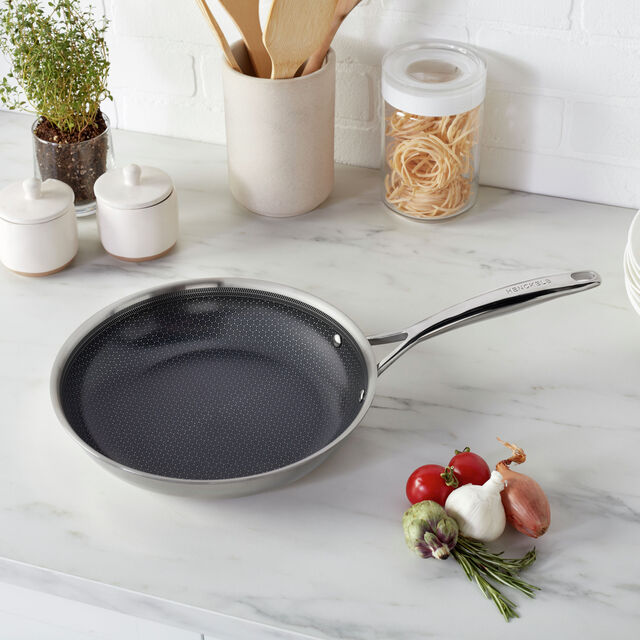
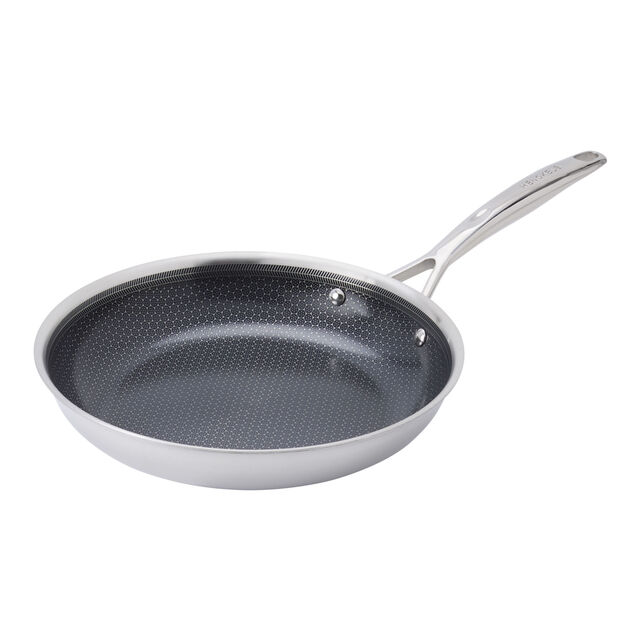
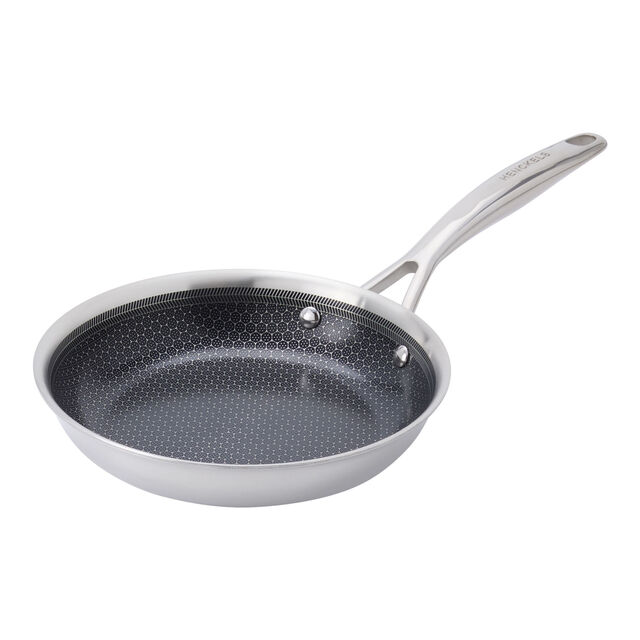
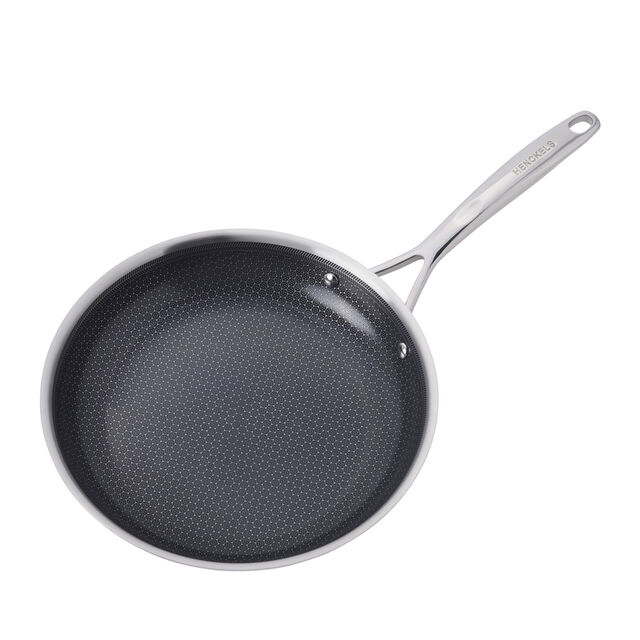
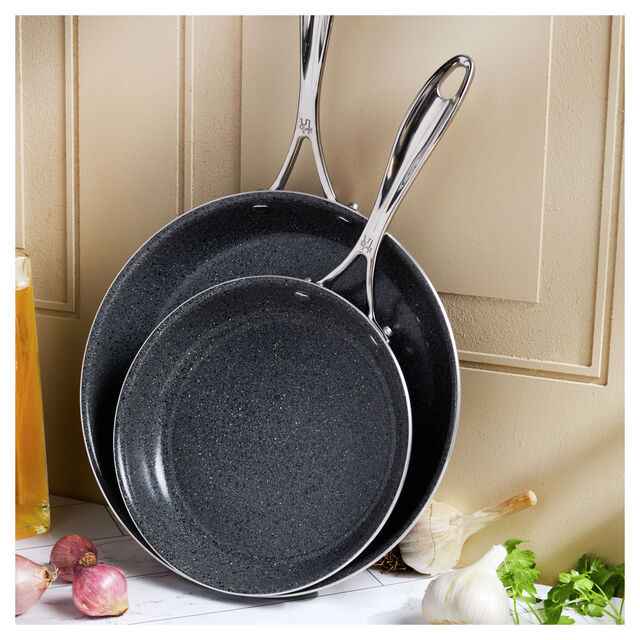
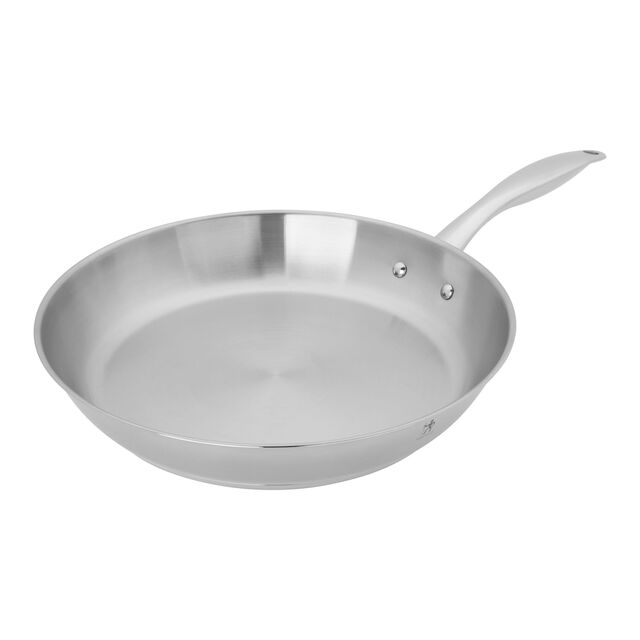
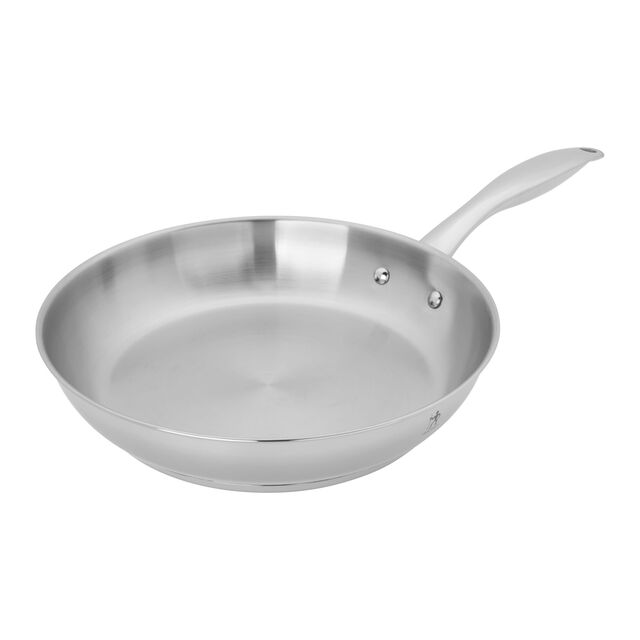
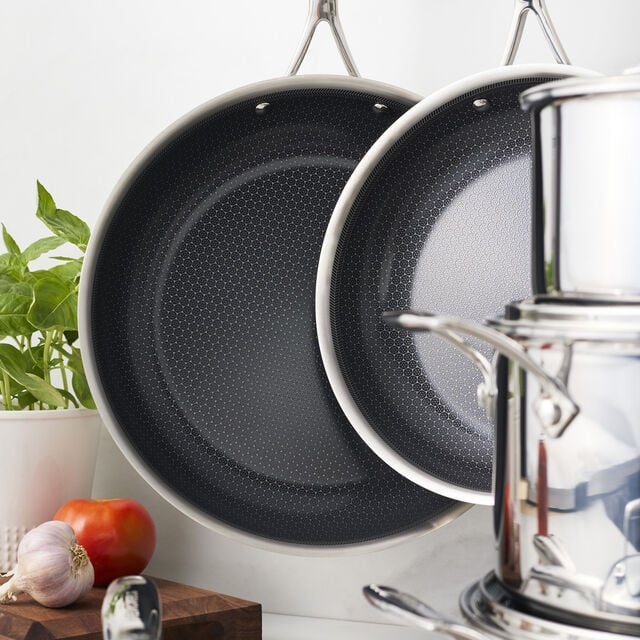
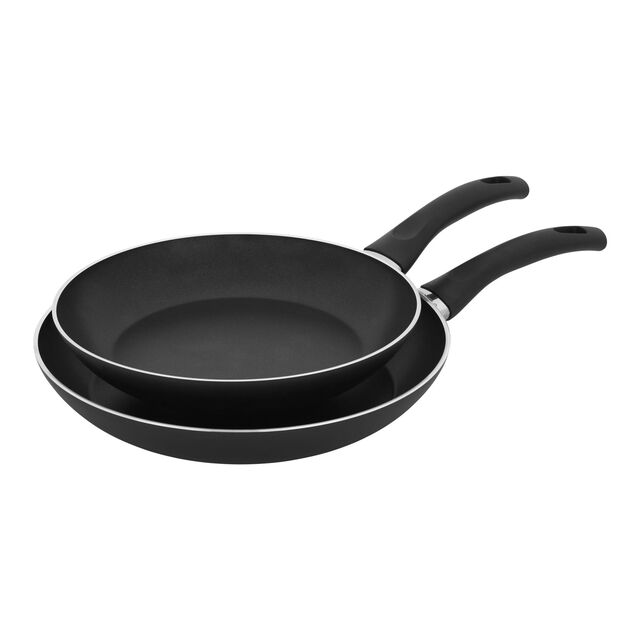
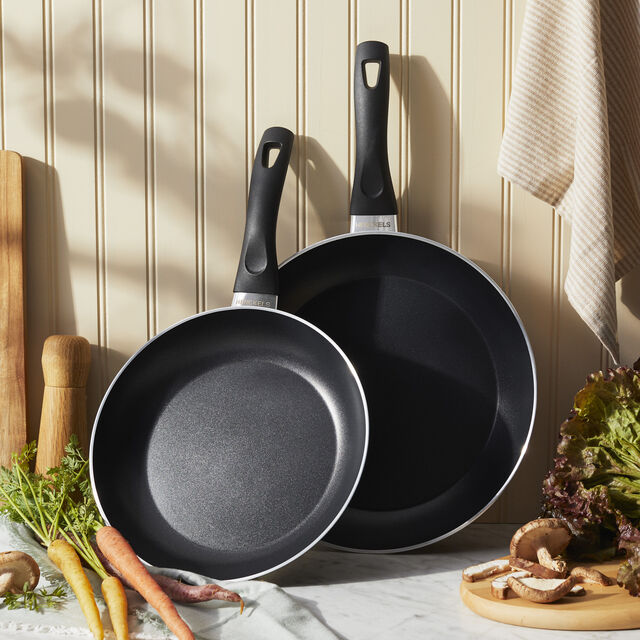
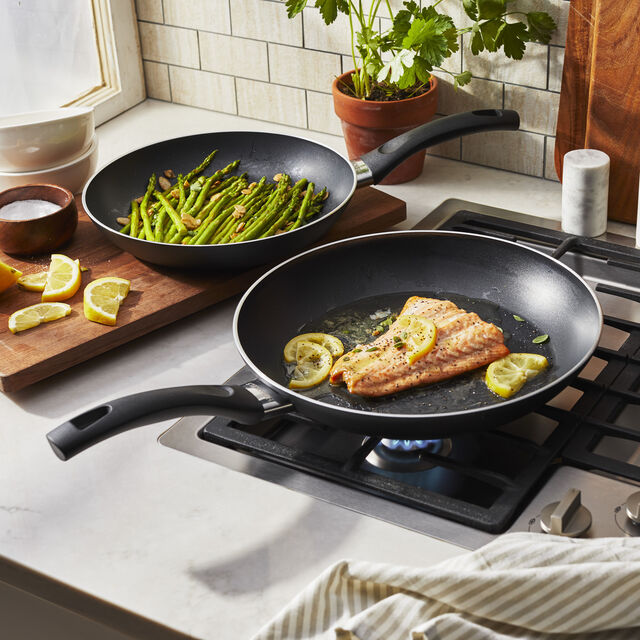
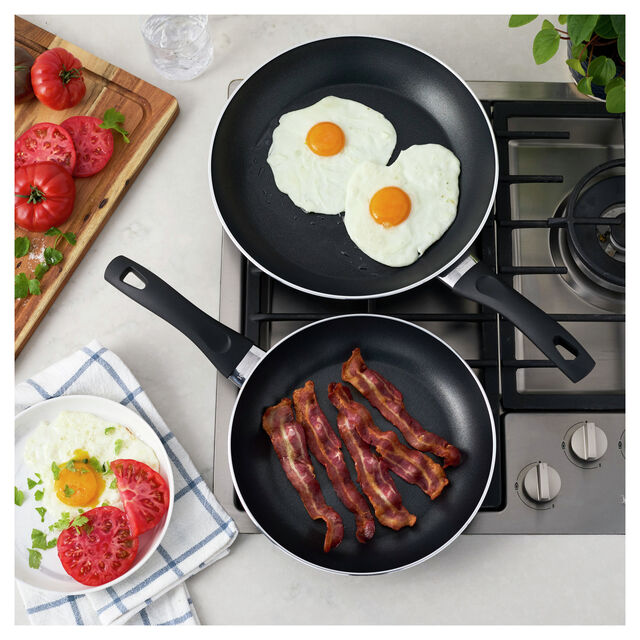
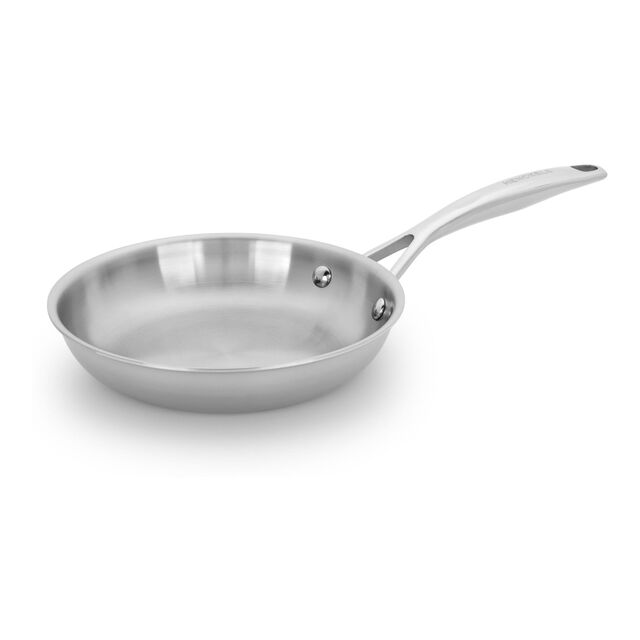
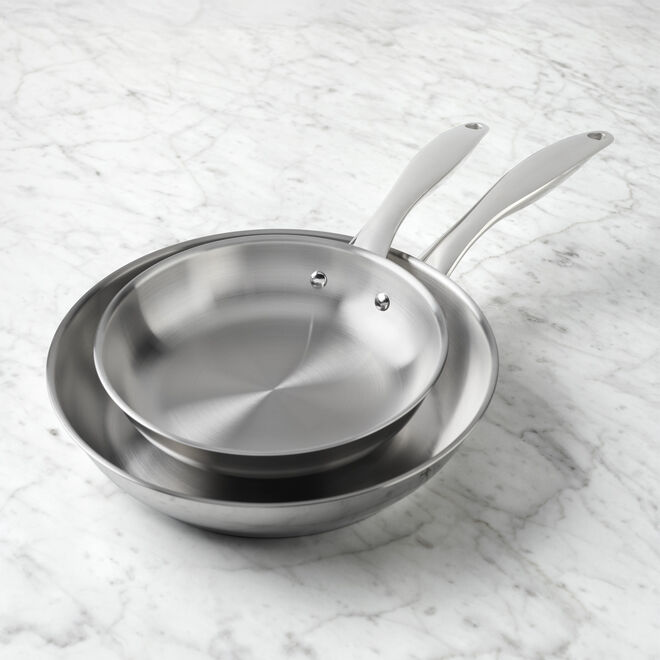
Yes, you can absolutely use a normal pan to produce thin and delicious crepes and pancakes. A crepe pan is a flat, low-sided pan made for crepes and pancakes, but many home cooks and seasoned chefs also get great results from a high-quality nonstick frying pan or skillet. While a specialty crepe pan or crêpe pan is popular, a high-quality standard non-stick frying pan or skillet heats evenly and works beautifully. The secret to success with a normal pan is choosing one with excellent heat distribution and a reliable non-stick surface, so your batter flips easily without sticking. A quality pan to use as a nonstick crepe pan should also have a low edged design and a larger surface area with more room, with a very low, sloped side and a shallow rim for easy turning and easy flipping.
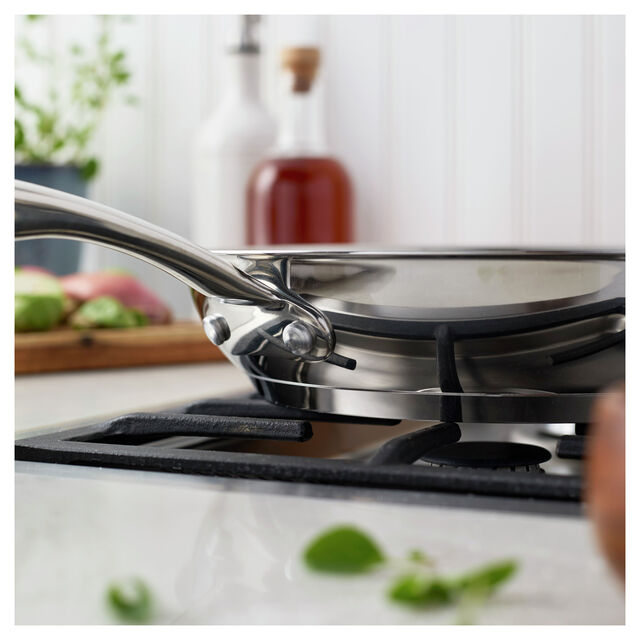
Since crepes cook quickly and require uniform heating for best results, a comfortable handle is also important for easy maneuvering. Crepe pans are usually thin and rely on an even cooking surface to spread crepe batter evenly, whether you pour and use swirling by hand on a stovetop pan or use a wooden batter spreader or spatula. A stay cool handle also helps when you need to flip or slide finished crepes out of the pan. Additionally, smooth cooking surfaces help prevent delicate crepes from tearing.
A premium, versatile everyday skillet is still a smart choice for home cooks who want one multi-purpose tool that handles everything from morning eggs to delicate desserts, and a nonstick pan usually needs less butter or oil for perfect crepes.
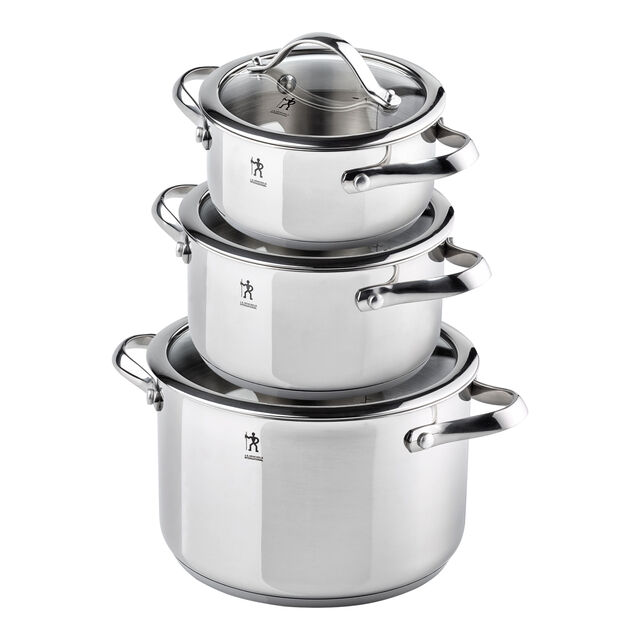
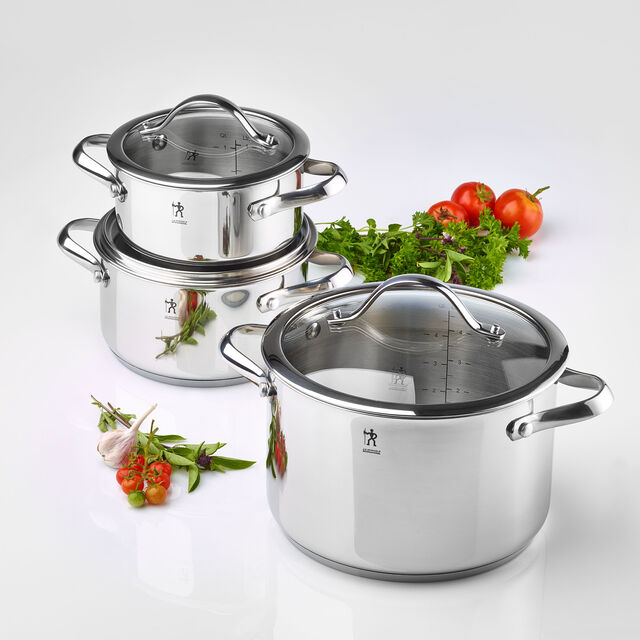
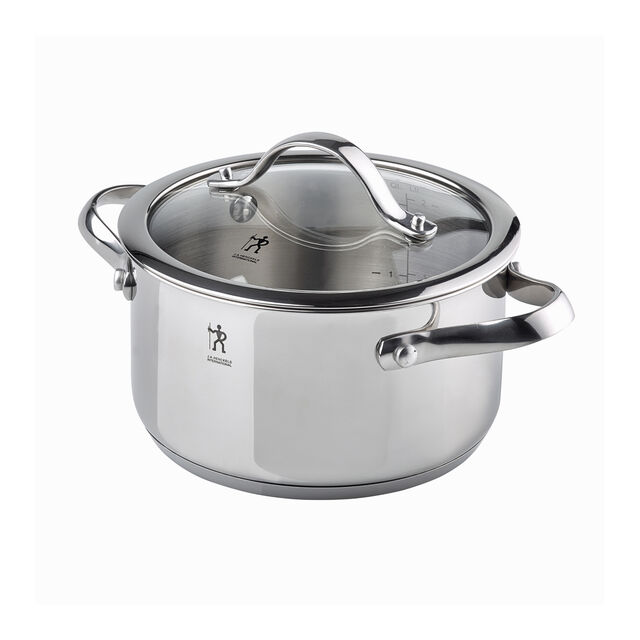
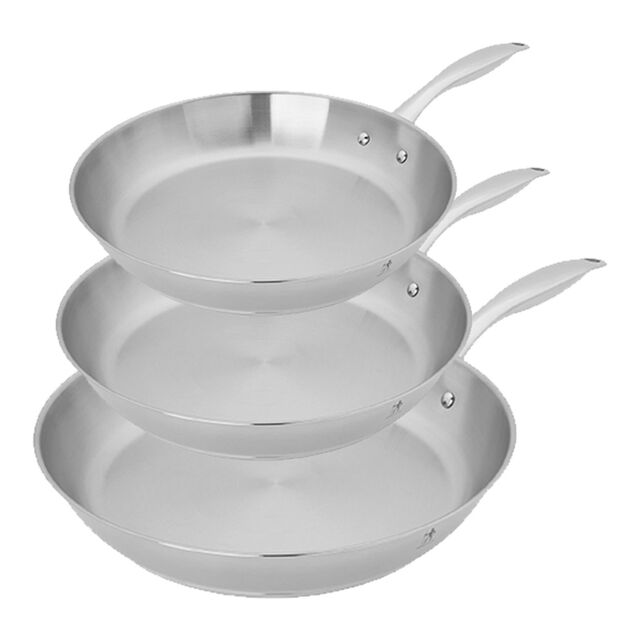
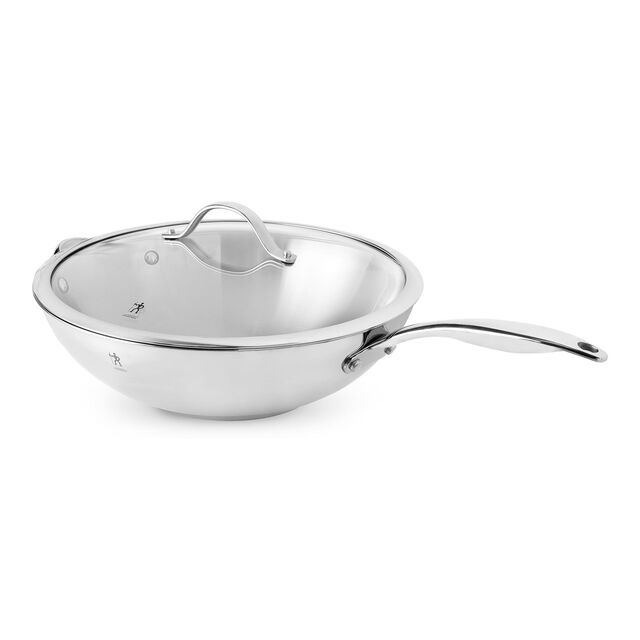
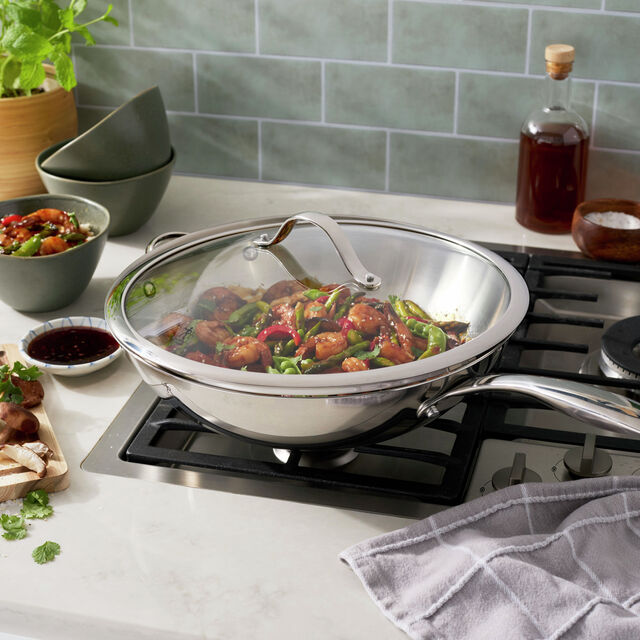
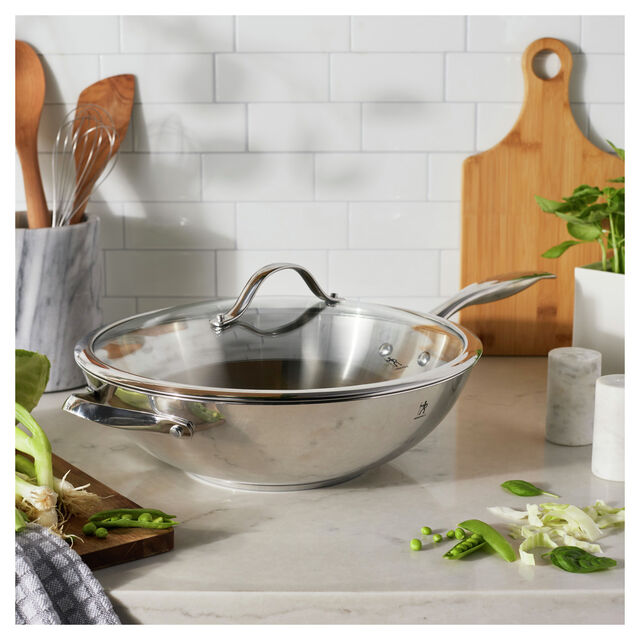
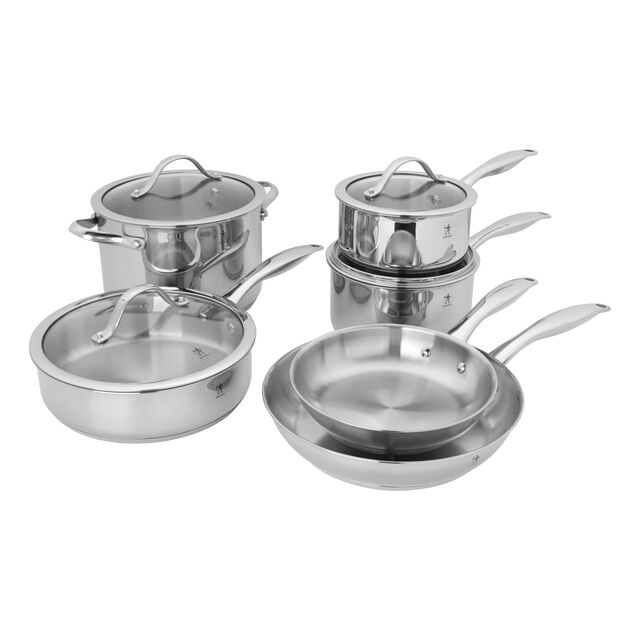
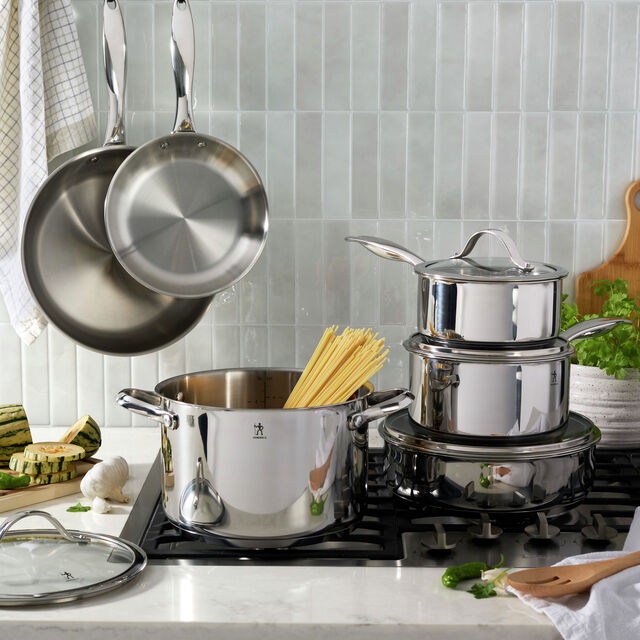
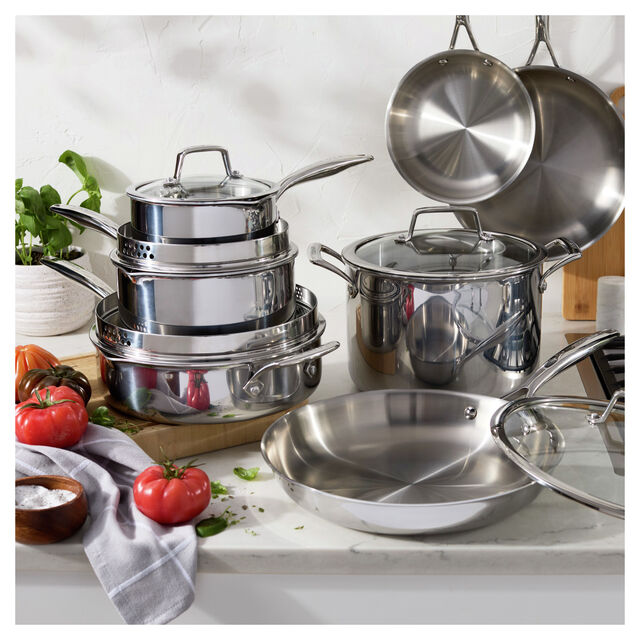
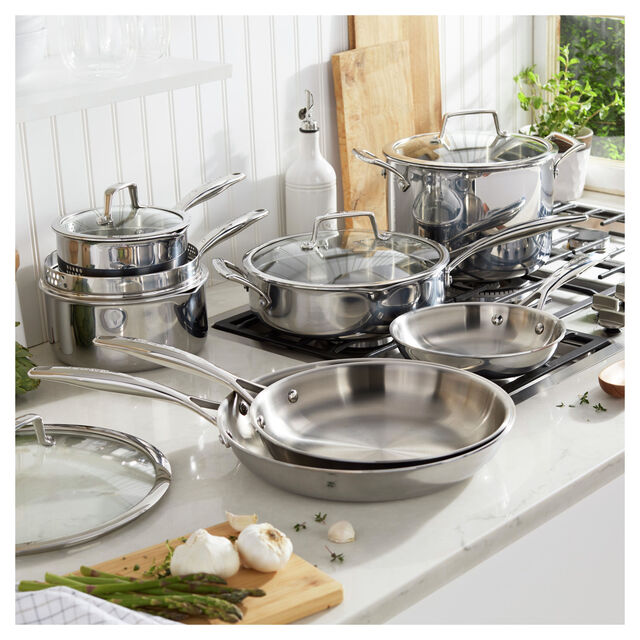
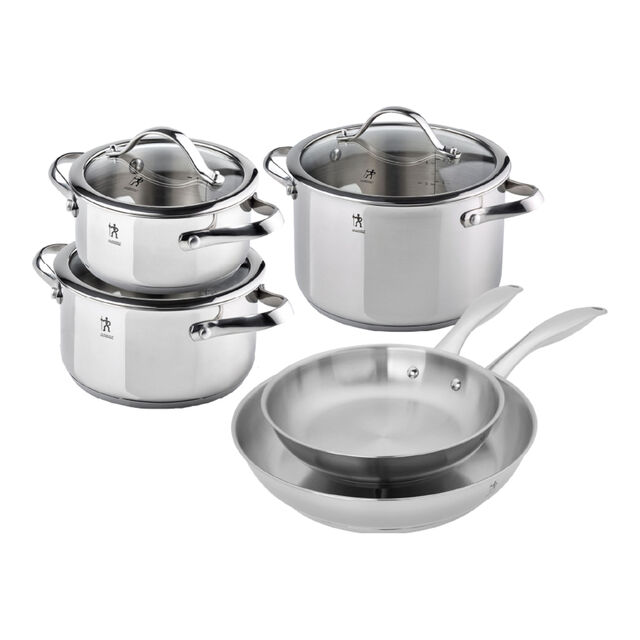
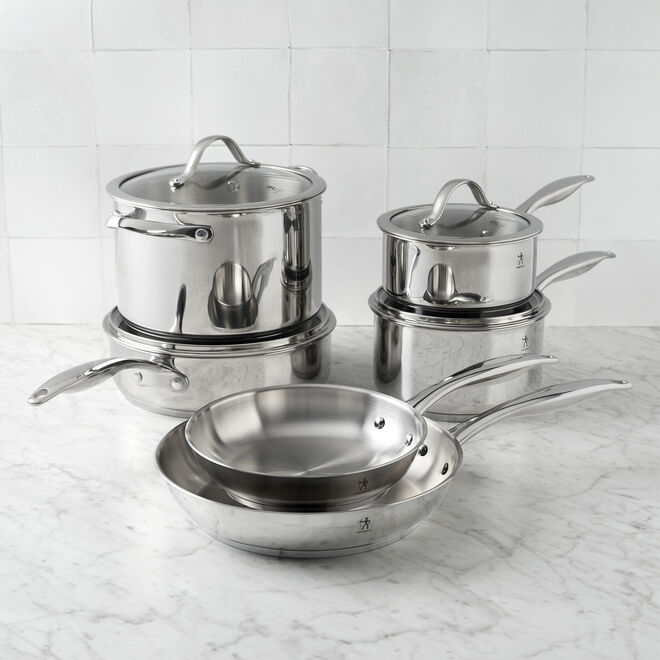
Choosing between a multi-piece cookware set and individual pieces depends entirely on your kitchen setup and cooking habits. Buying a complete set of pots and pans is highly cost-effective for outfitting a new kitchen or refreshing your current gear. Premium collections bundle essential saucepans, stockpots, and skillets to cover your daily cooking needs at a better value. However, if your cupboards are already stocked and you only need to fill a specific gap, such as upgrading to a heavy-duty wok, a deep sauté pan, or an enameled French oven, purchasing specialized individual open-stock pieces gives you maximum flexibility.
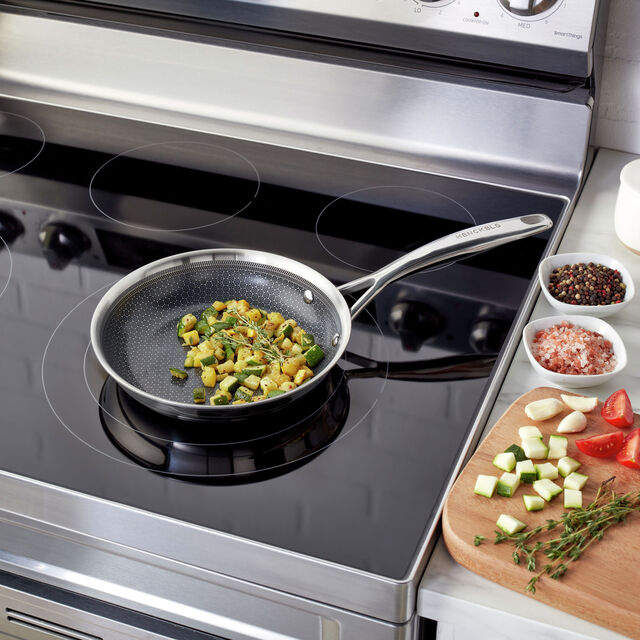
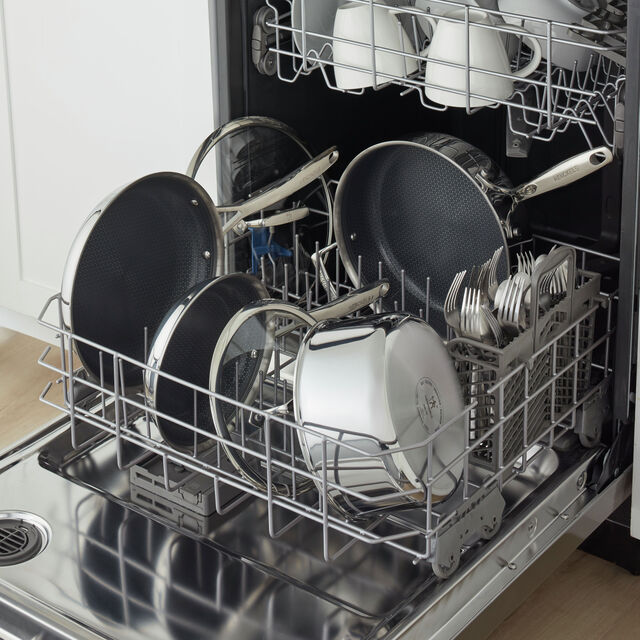
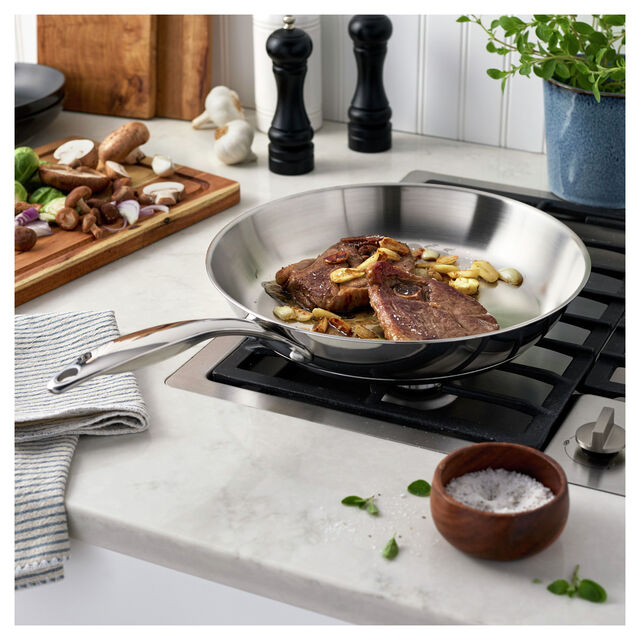
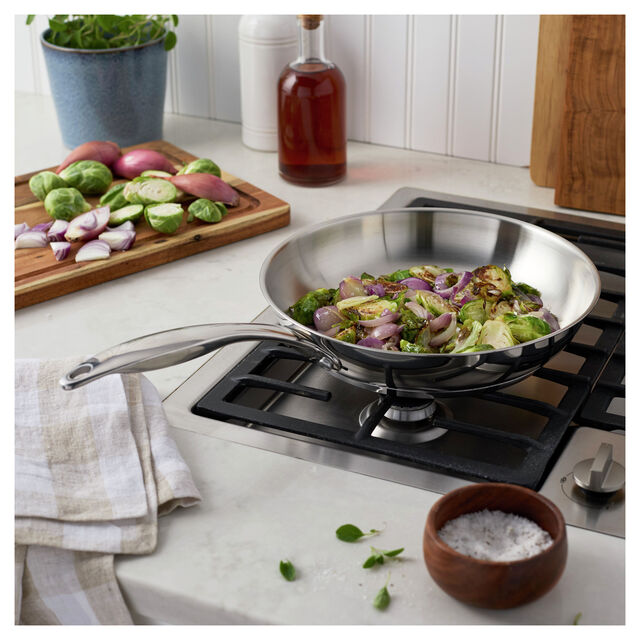
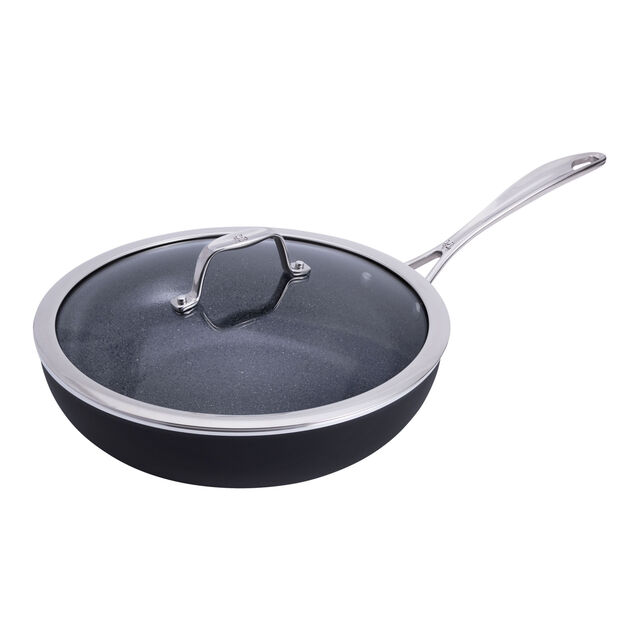
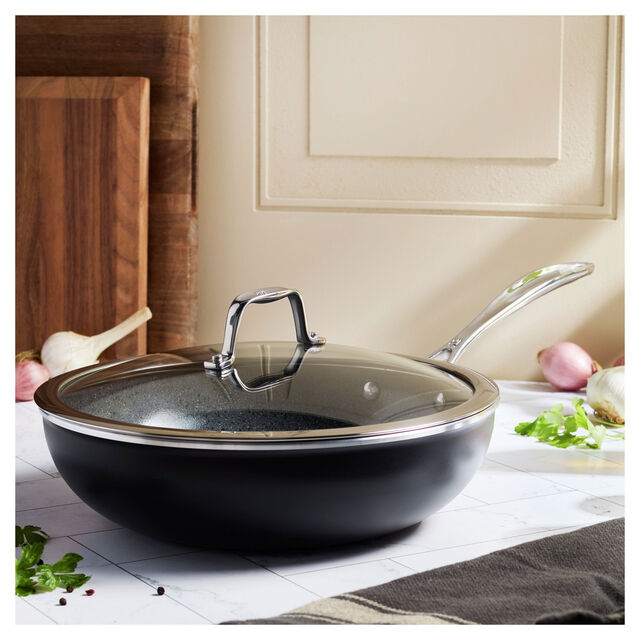
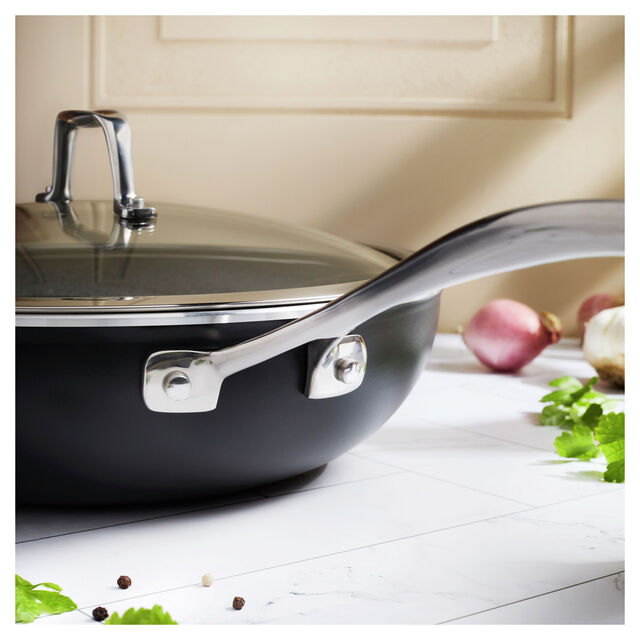
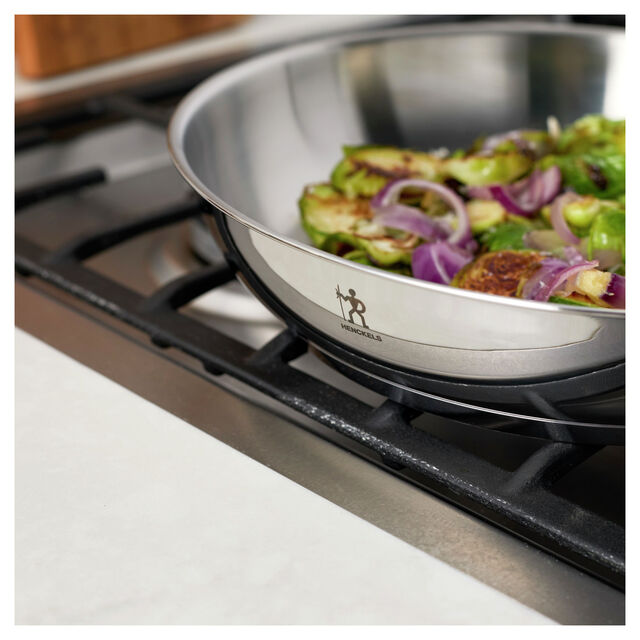
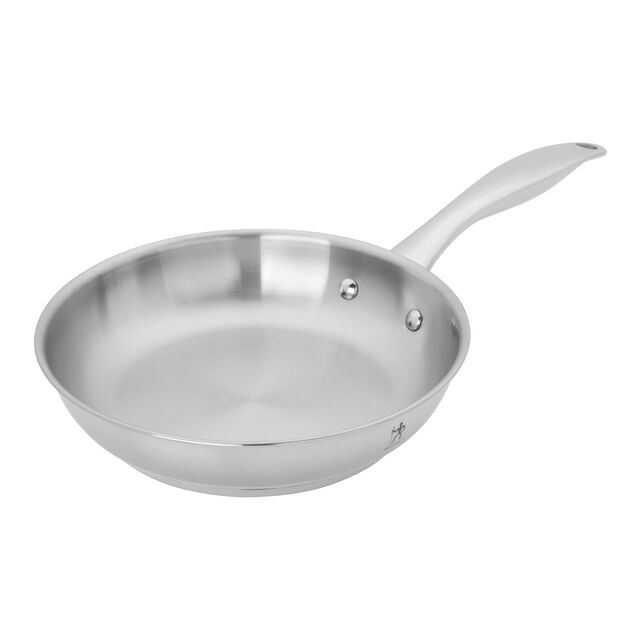
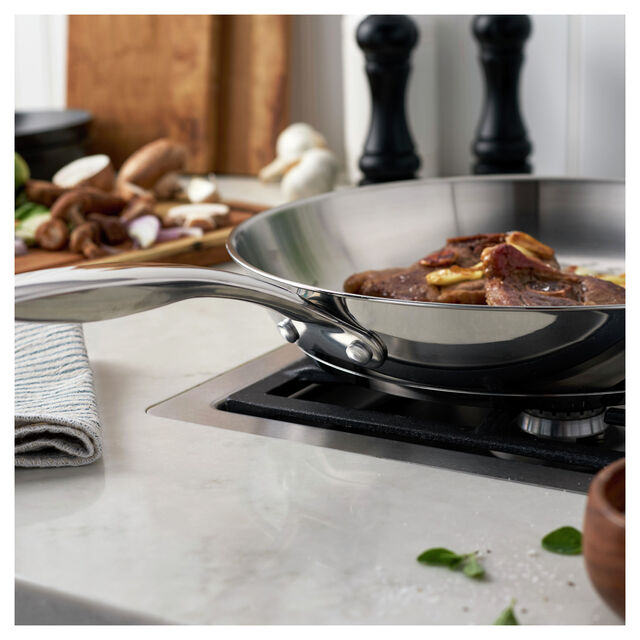
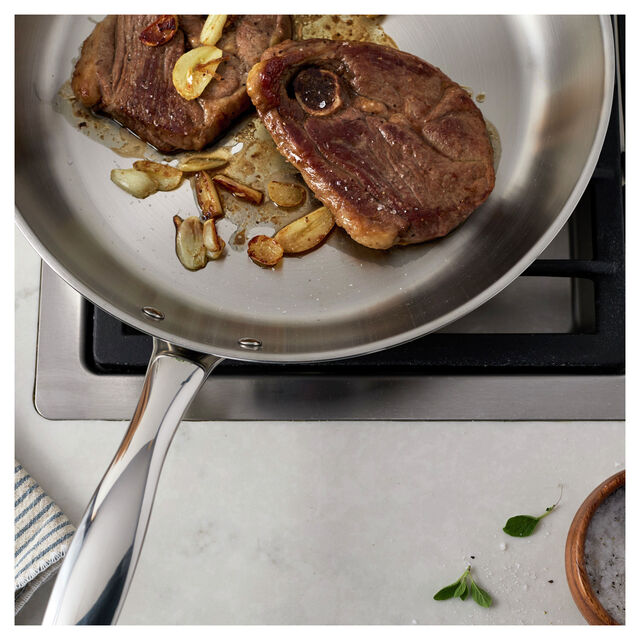
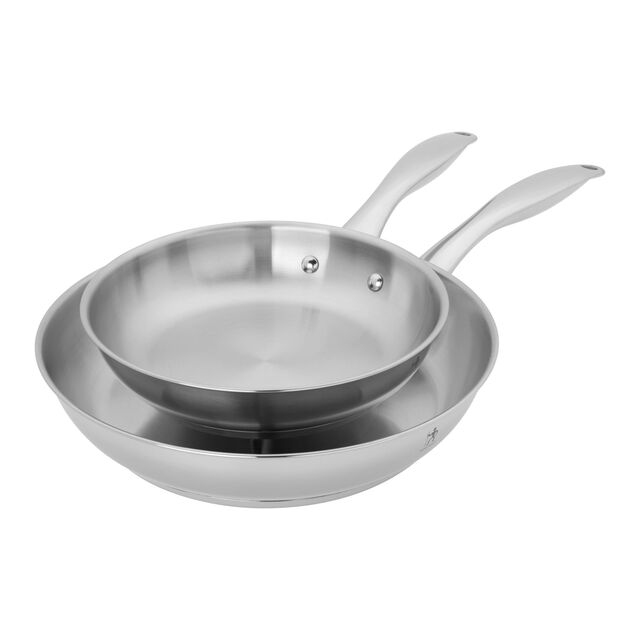
The choice between stainless steel and ceramic non-stick comes down to your cooking style and maintenance preferences. Uncoated stainless steel is a durable, professional-grade material that excels at high-heat searing, browning, and building rich pan sauces. It handles metal utensils effortlessly and is completely dishwasher-safe. On the other hand, non-stick ceramic cookware is specifically engineered for easy, low-oil everyday cooking and effortless cleanup. It is perfect for delicate foods that tend to stick, such as eggs, fish, and breakfast batters like thin crepe batter, where a nonstick pan helps spread and release food evenly with less butter or oil and keeps them at the perfect temperature. Many modern home kitchens benefit from a hybrid approach, keeping stainless steel pots for simmering and boiling alongside a few premium ceramic pans for easy morning meals.
| Feature | Stainless Steel Cookware | Non-Stick Ceramic Cookware |
|---|---|---|
| Durability | Highly durable and resistant to scratching and denting | Less durable; the coating can wear over time |
| Heat Tolerance | Excellent for high-heat cooking and searing | Best suited to low- to medium-heat cooking |
| Maintenance | Generally dishwasher-safe; polishing may help maintain shine | Hand washing is recommended to help preserve the coating |
| Cooking Performance | Ideal for browning, searing, and making pan sauces | Ideal for delicate foods and low-oil cooking |
| Utensil Compatibility | Generally compatible with metal utensils | Wooden or silicone utensils are recommended to help protect the coating |
| Cleanup | Stuck-on food may require soaking or additional cleaning | Easy cleanup with minimal sticking |
| Weight | Generally heavier | Usually lighter and easier to handle |
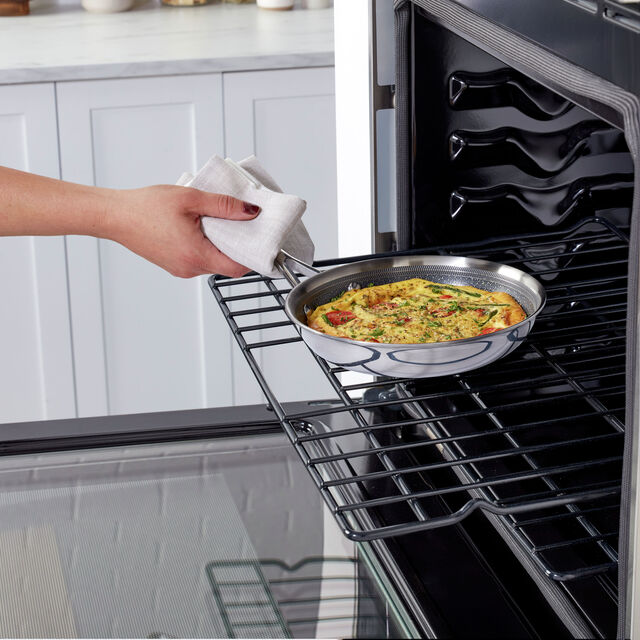
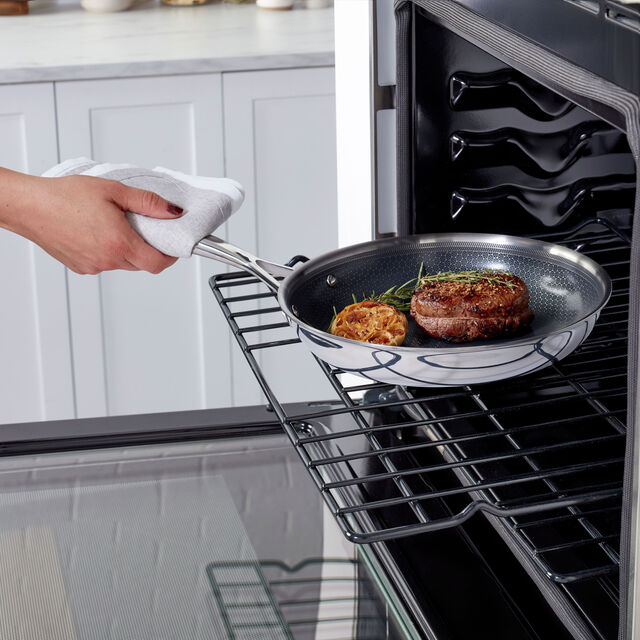
Yes, all of Henckels' stainless steel pots and other pans of differing composition are oven safe. However, the maximum safe temperature can vary depending on the specific material and construction of each piece. Always refer to the manufacturer's instructions that accompany your purchase to ensure proper use. Following these guidelines will help maintain the integrity and longevity of your cookware while allowing you to safely use it in the oven for a wide range of recipes.
| Cookware Type | Maximum Oven Temperature |
|---|---|
| Stainless Steel Cookware | Up to 500°F / 260°C |
| CERAFORCE® Ceramic Nonstick Coating | Up to 400°F / 204°C |
| Tempered Glass Lids | Up to 400°F / 204°C |
| Silicone Handles or Grips | Up to 350°F / 180°C |
Complete your kitchen with our range of high-quality, premium kitchen knives designed to complement your cookware and support everyday food preparation.
Looking for great value? Explore our limited-time offers and special deals, available exclusively on the HENCKELS Canada website.

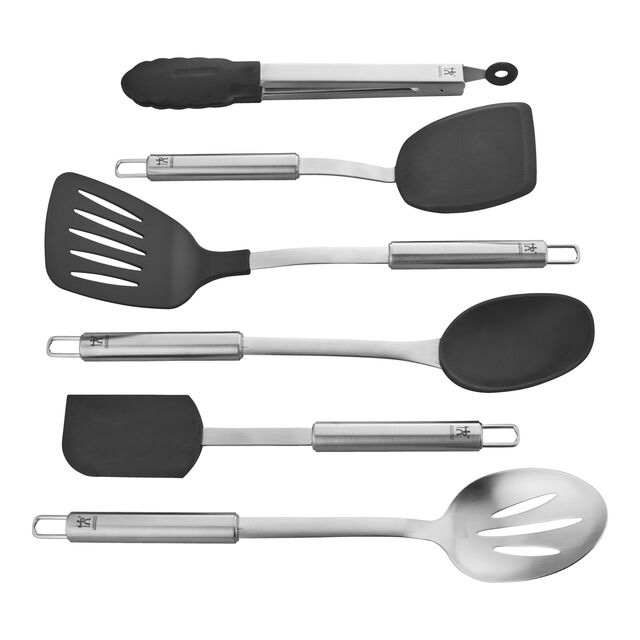

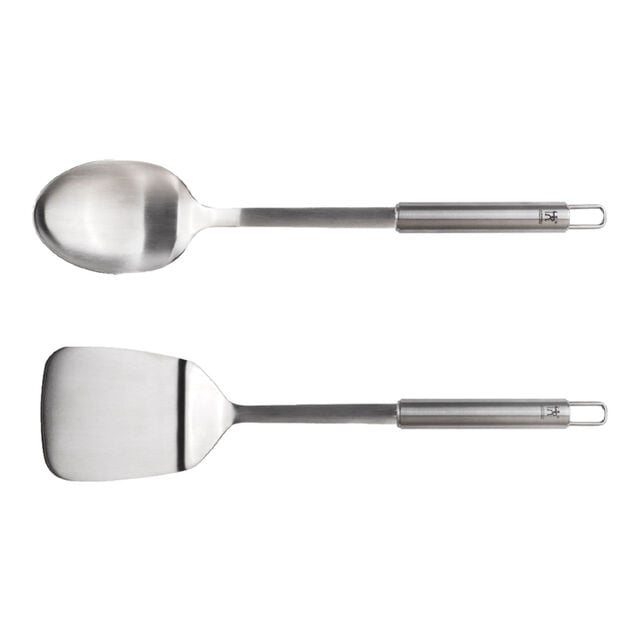

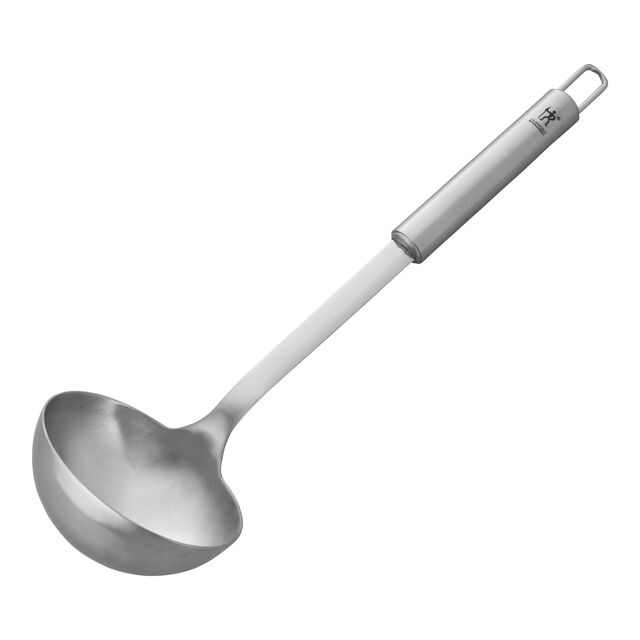






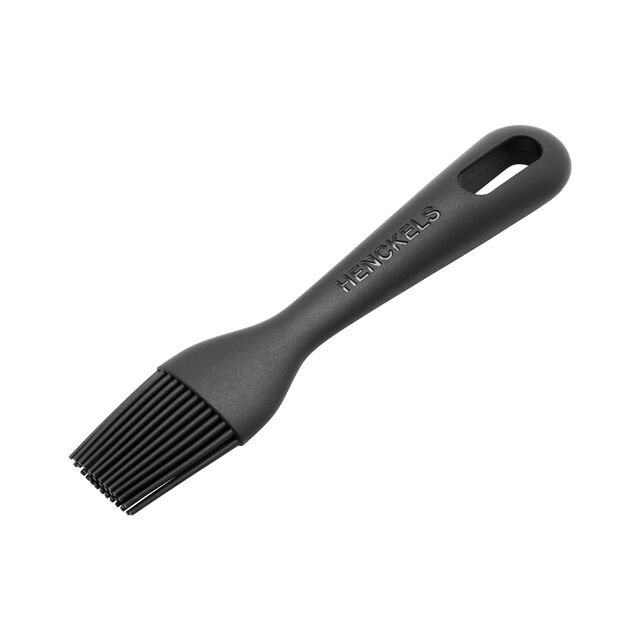

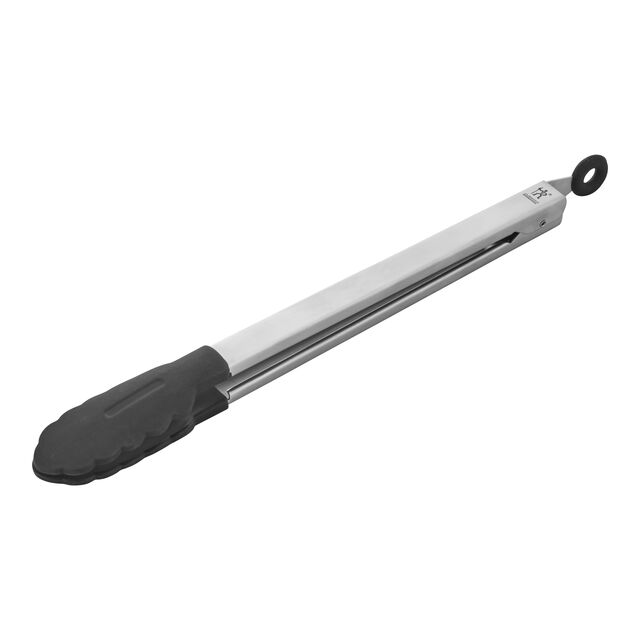

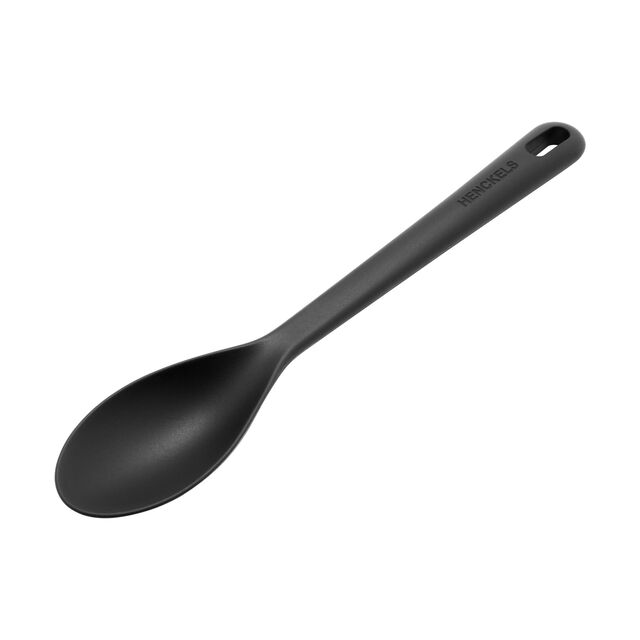

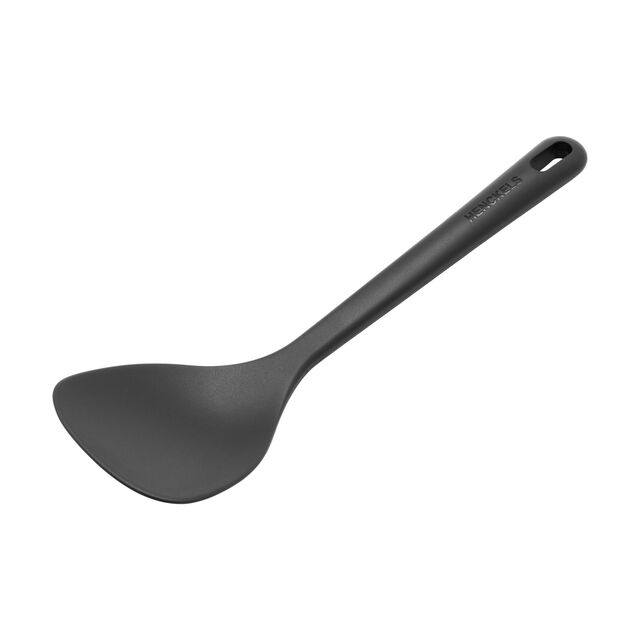
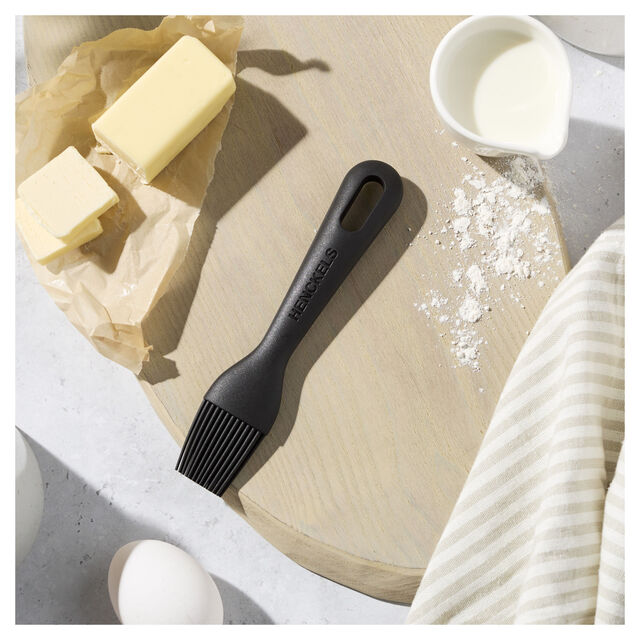
Silicone Onyx