✔︎︎ Official Henckels Canada Shop ✔︎ Free Shipping Over C$99

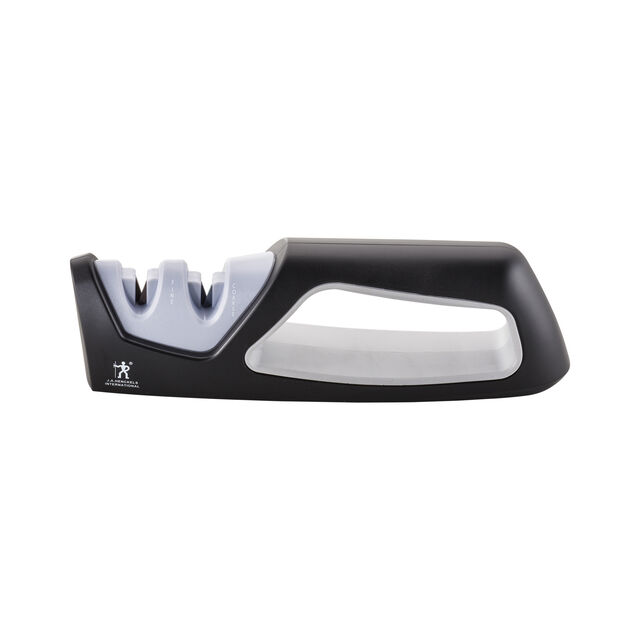
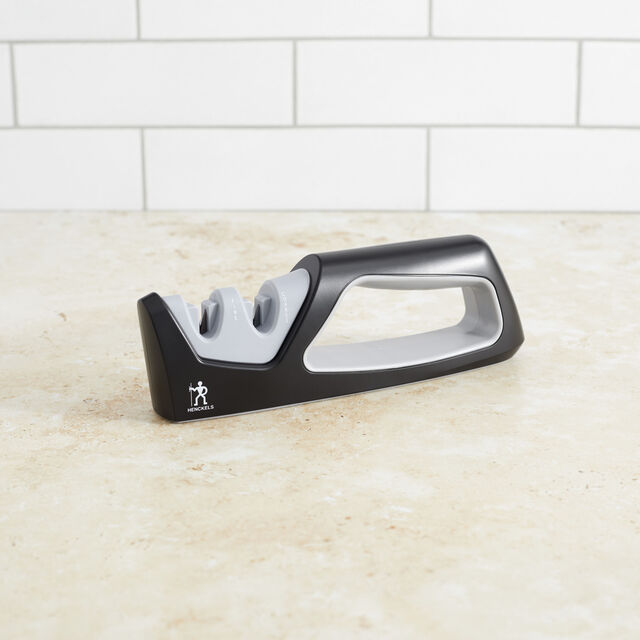
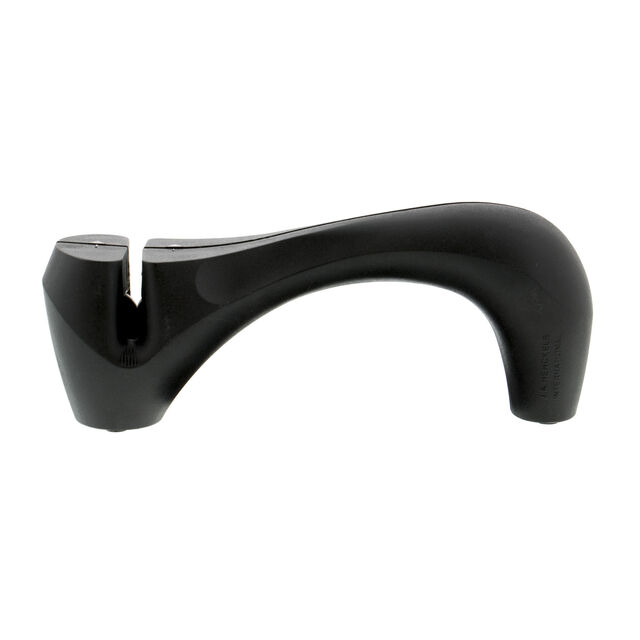
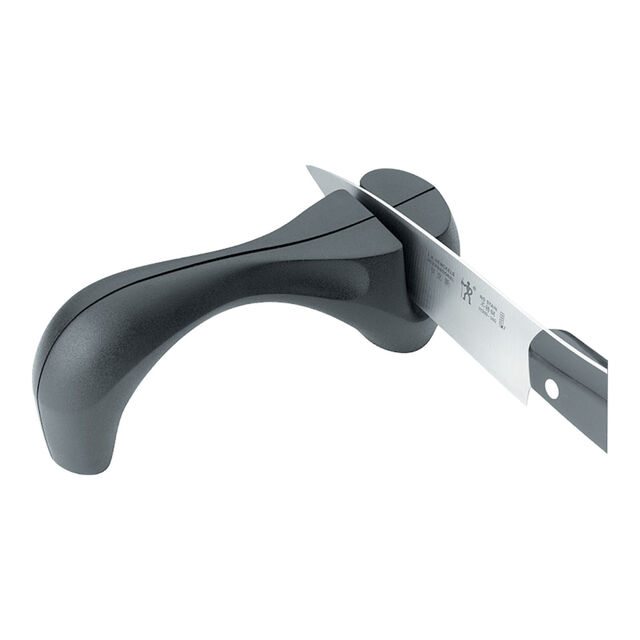
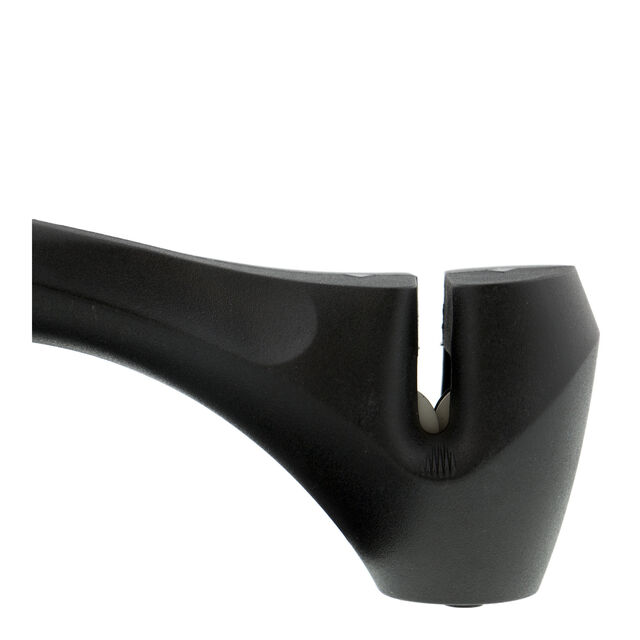
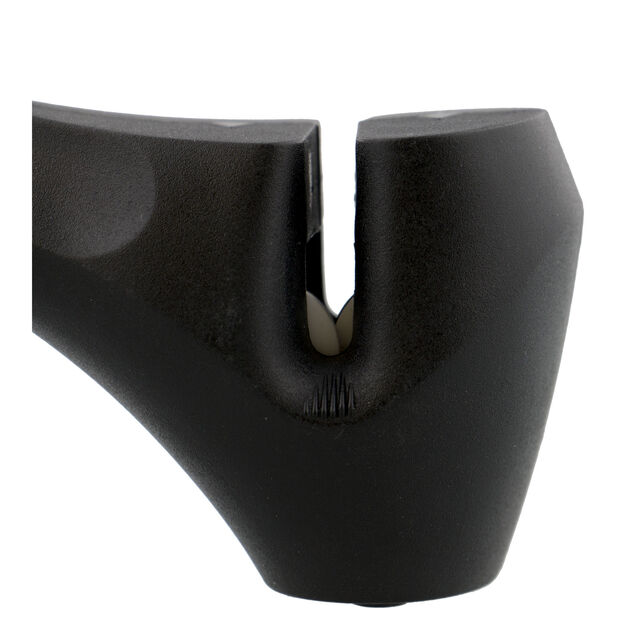
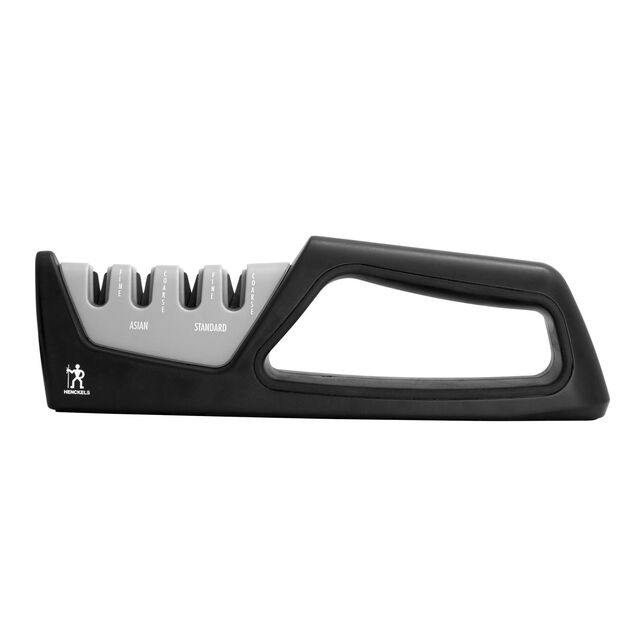
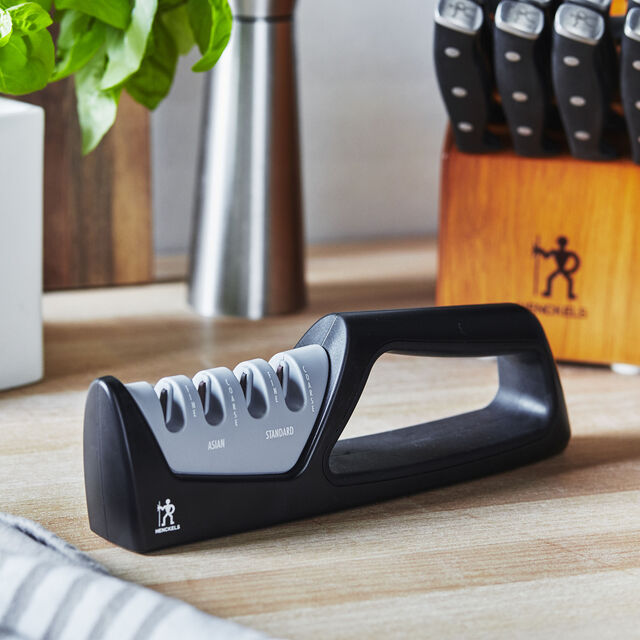
The best knife sharpener is one that effortlessly restores your blades. Explore our collection of premium manual pull-through knife sharpeners and professional honing steels engineered to keep your straight-edge kitchen knives performing at their best. While a sharpening steel re-aligns your edge during daily meal prep, our 2-stage and 4-slot handheld ceramic sharpeners quickly restore a razor-sharp edge using perfectly preset angles. While a professional honing steel, or honing rod, re-aligns your edge during daily meal prep, a pull-through sharpener restores a fresh, razor-sharp edge with preset angles designed for straight-edge kitchen knives. Keeping a sharp knife in the kitchen is not just about better slicing—it also improves control, supports safer food prep, and helps extend the life of your cutlery. Invest in easy, safe, and ergonomic edge maintenance between professional sharpenings to preserve the lifespan of your trusted cutlery collection.
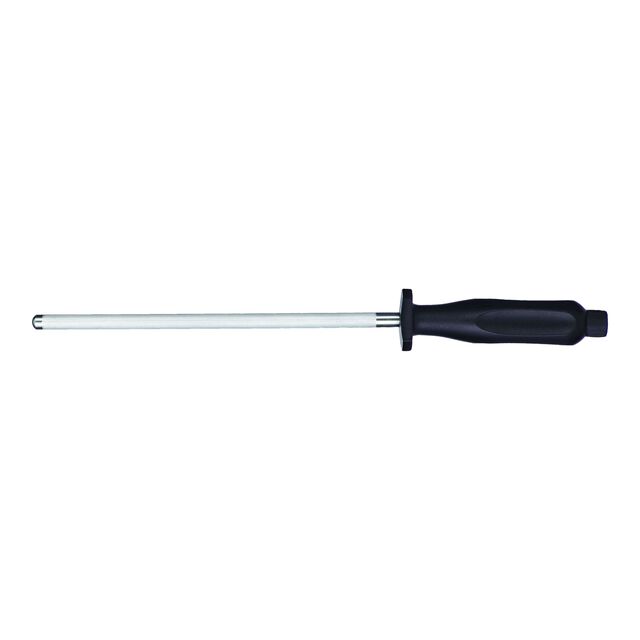
While often confused, they serve completely different purposes in edge maintenance. A honing stick steel is also commonly called a honing rod in the kitchen and does not remove metal from your blade; instead, it re-aligns the microscopic teeth of a straight-edge kitchen knife that bend during daily food prep, so it does not sharpen knives in the true sense. Conversely, a pull-through knife sharpener uses abrasive elements like coarse and fine ceramic wheels to shave away worn metal and establish a brand-new, razor-sharp edge through preset sharpening geometry that acts like an angle guide. For optimal cutlery care you can hone your kitchen knives weekly and use a manual pull-through sharpener only when the blade becomes visibly dull. Using a leather strop can help maintain sharpness without heavy sharpening, as they are used for refining the edge as a finishing touch.
To use a honing rod effectively, hold the rod vertically with the tip resting on a stable surface like a cutting board. Maintain a consistent sharpening angle at the proper degree angle for most kitchen knives—usually around 15 to 20 degrees—and gently draw the dull blade down the rod from heel to tip in smooth, even strokes. Use minimal downward pressure so the rod realigns the edge without excess force. Alternate sides with each pass to realign the blade’s microscopic edge without removing metal. Regular honing helps keep knives sharp between more intensive sharpening sessions and preserves blades sharpness.
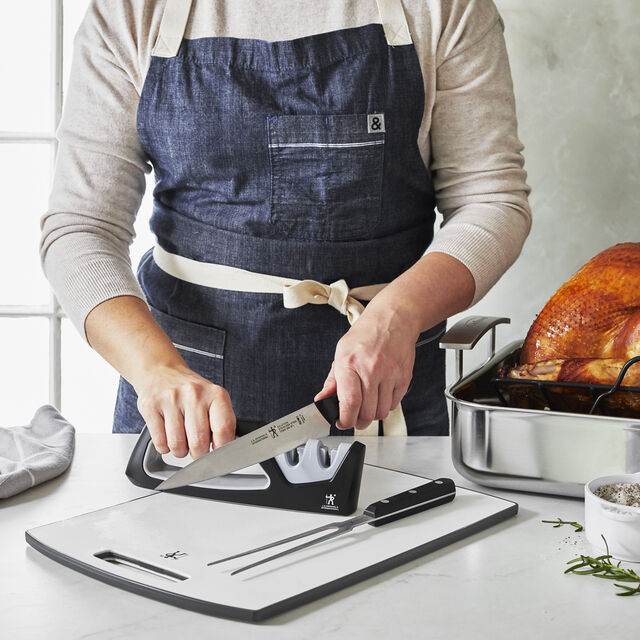
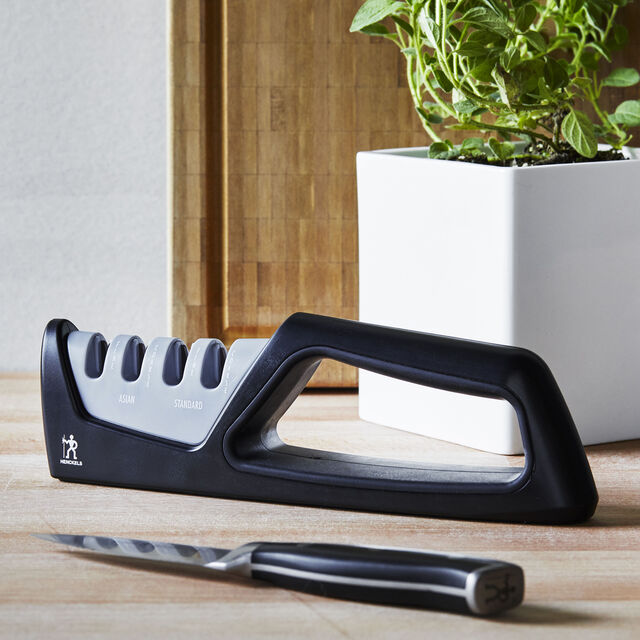
Using a pull-through knife sharpener is easy and effective for restoring a dull knife’s edge, and manual sharpeners are compact and easy to store for home use. Place the sharpener on a stable surface and insert the knife blade into the coarse slot if the blade is very dull or chipped; otherwise, start with the fine slot for regular maintenance. Coarse grinding should be reserved for a dull knife or edge repair. Pull the knife through smoothly from heel to tip with light, consistent pressure, maintaining the built-in sharpening angle guide that helps keep the preset bevel consistent throughout the sharpening process. Repeat the pulls as recommended, then finish with the fine slot to polish and refine the edge. Avoid excessive force to prevent damaging the blade’s finish. Always clean the blade after sharpening for a fresh edge and a cleaner blade's finish.
Multi-stage edge maintenance tools utilize progressive grits to repair and polish your knives safely, and this staged approach also supports rebeveling when an edge is badly worn because it adjusts the blade to meet at a precise angle. The coarse slot uses tungsten carbide or diamond plates to grind down rough, nicked, or heavily dulled edges to reset the blade profile. The fine slot features smooth ceramic wheels or rods for fine honing to gently hone, deburr, and polish the steel into a razor-sharp finish. This sequence helps create a finer edge and more consistent edges on most knives. Always pull your kitchen knives smoothly from the heel to the tip using light pressure to protect the steel.
Our manual handheld pull-through systems are explicitly designed for most knives with standard, smooth, straight-edged profiles, not every blade style. They are not suitable for traditional single-bevel Asian-style edges, nor should they be used on serrated knives, including serrated bread or tomato blades, as the preset discs can damage those unique teeth configurations. Ceramic knives should also be excluded because they require specialized sharpening.
The cutting edge of a knife wears down over time through friction and rolling, but a knife sharpener can also be worn down from regular use. The maintenance of a knife sharpener is essential to ensure its longevity and effectiveness. For manual pull-through sharpeners or honing steels, regularly clean the abrasive surfaces to remove metal particles and debris after use. Avoid using harsh chemicals that could damage the surface; warm water and mild soap are usually sufficient. Proper upkeep not only prolongs the life of the sharpener but also helps maintain the quality of the knife’s edge.
Check out a knife sets of your choice to go with your sharpener. For excellent savings on cookware and essential kitchen tools, explore our sale page . Discover limited-time offers and exclusive deals available solely on the Henckels Canada website, featuring select products at discounted prices to fit your budget. Enjoy convenient delivery and secure payment on qualifying orders.




Kitchen Elements