✔︎︎ Henckels Canada Shop ✔︎ Fast, Free Shipping Over C$99

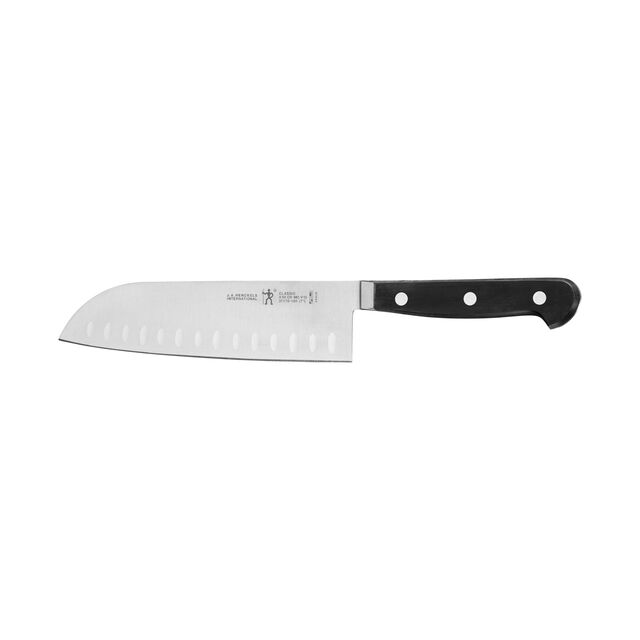
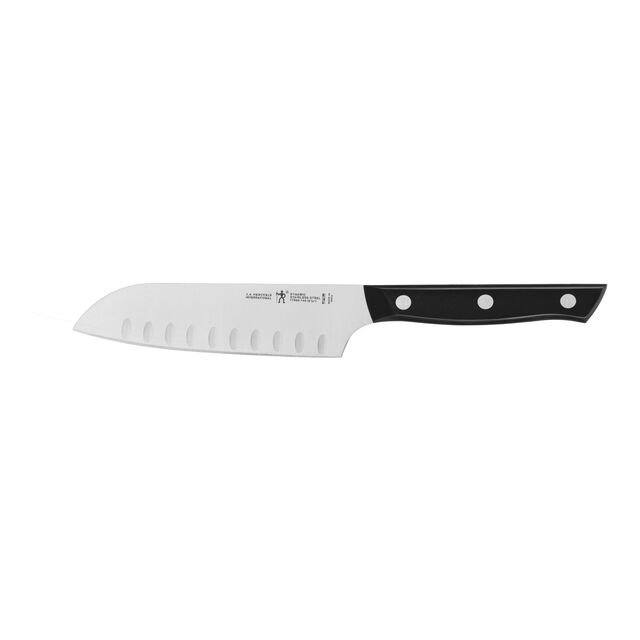
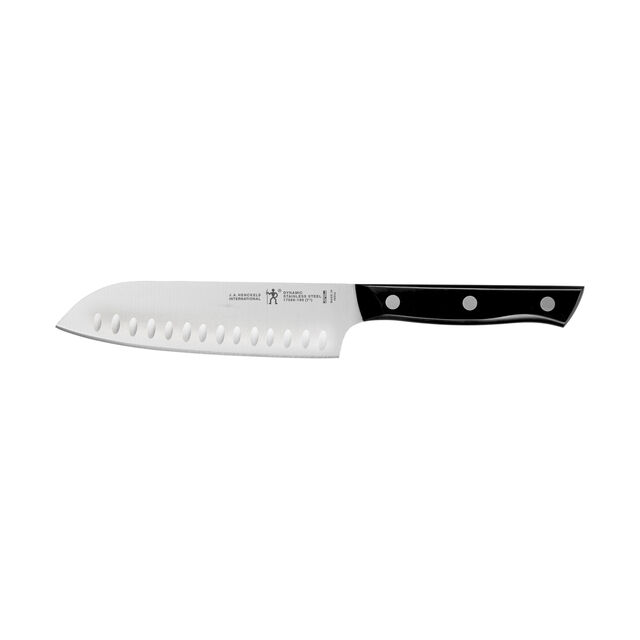
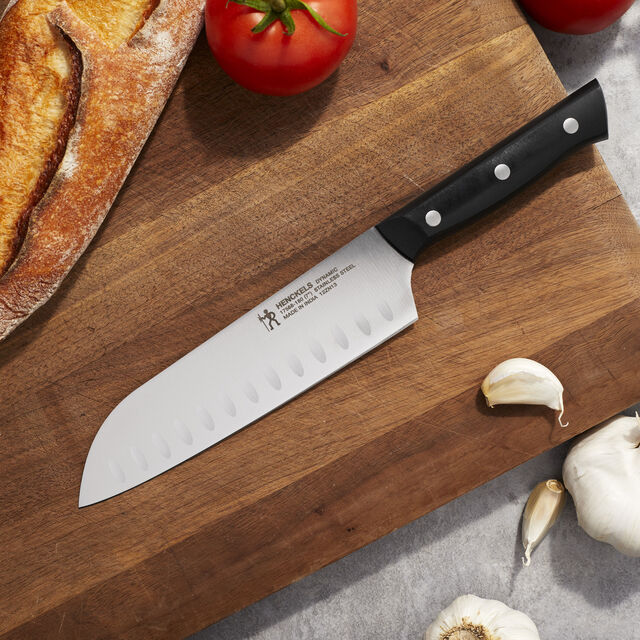
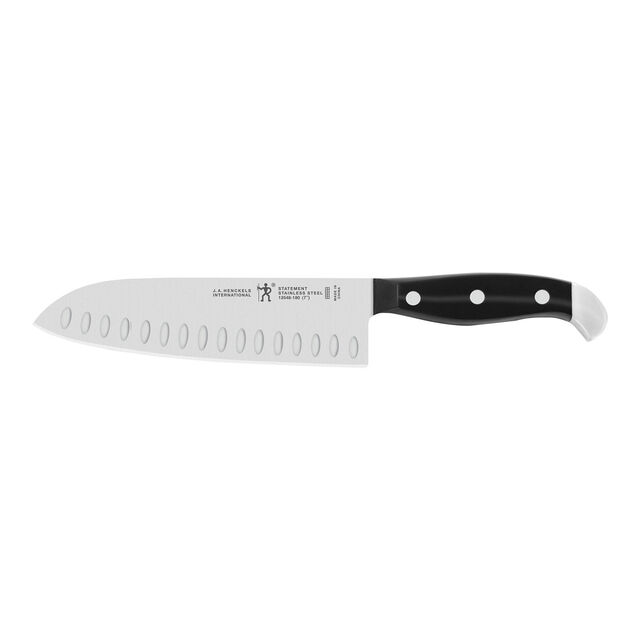
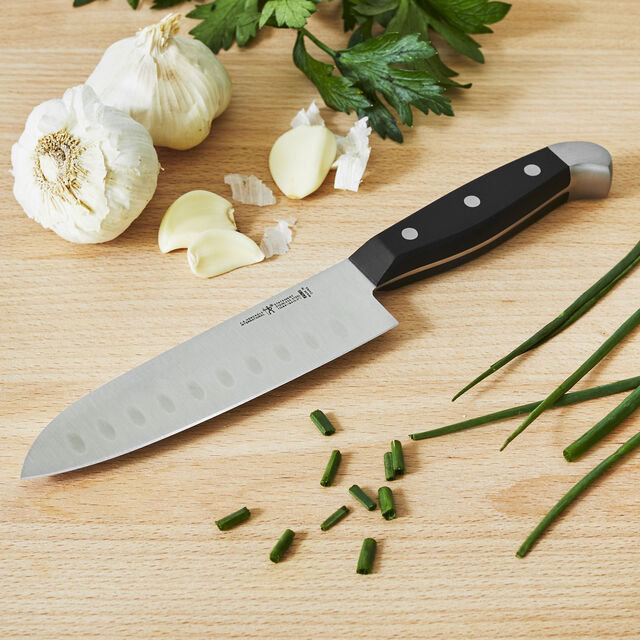
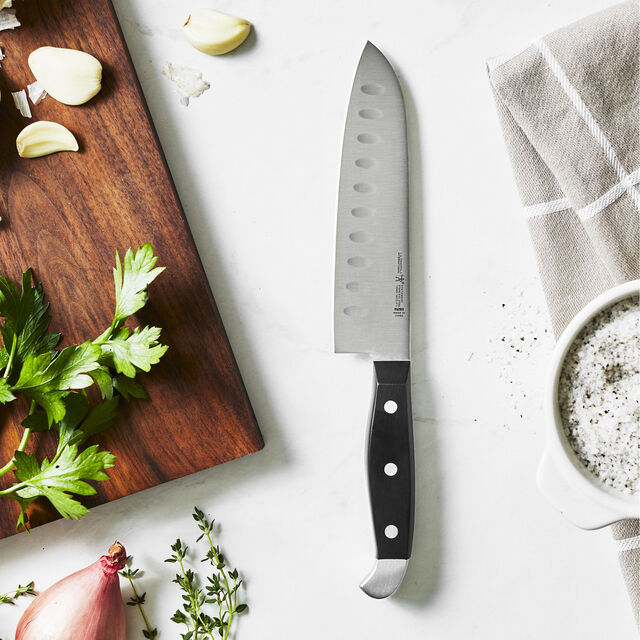
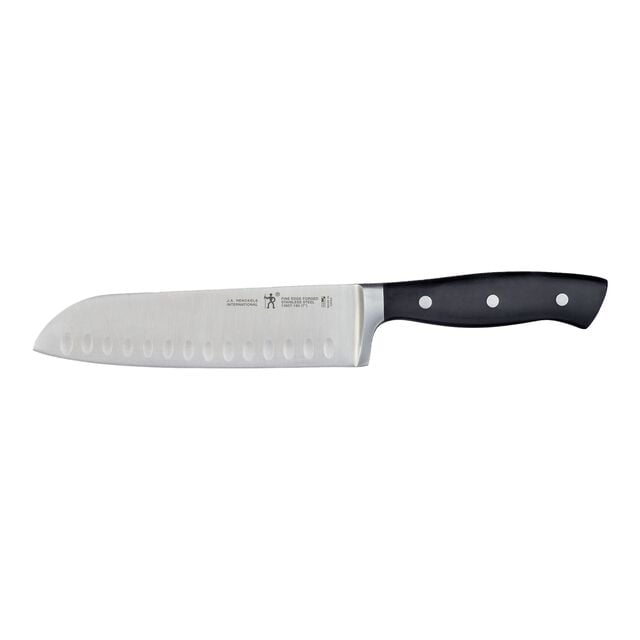
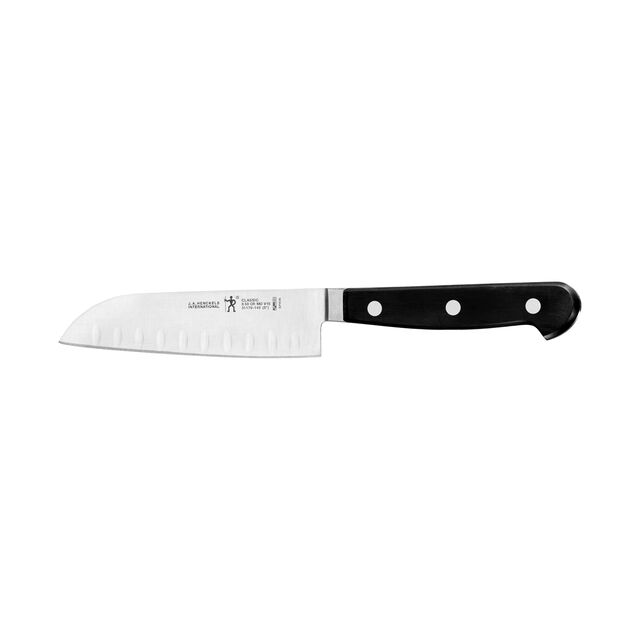
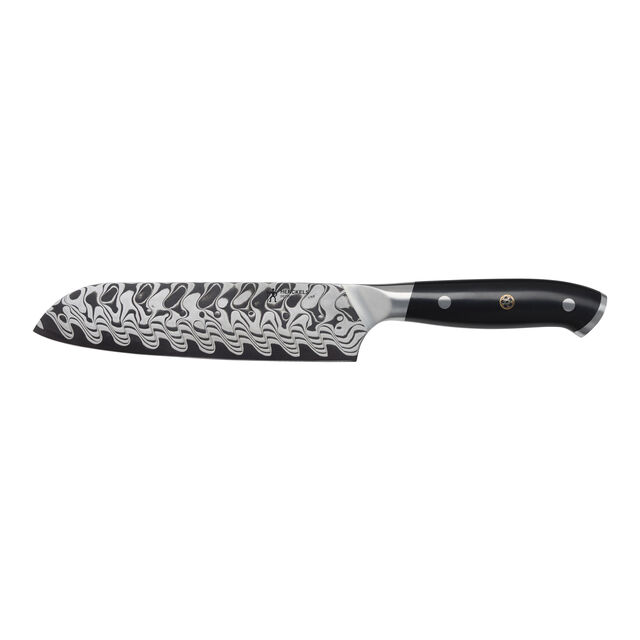
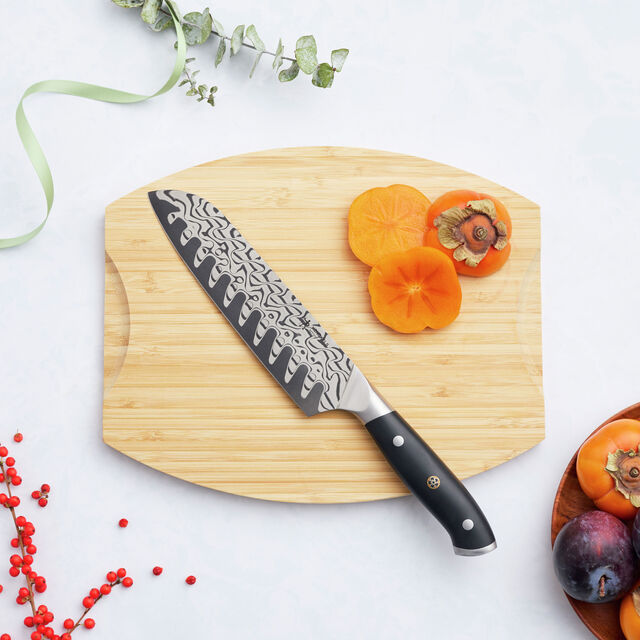
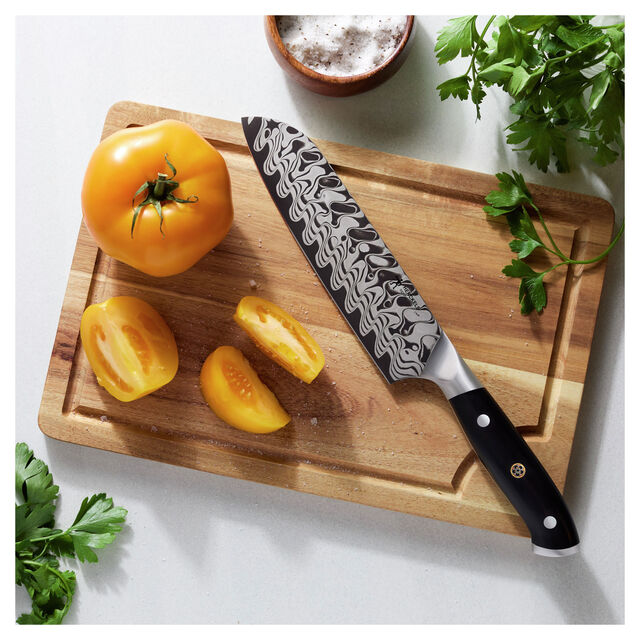
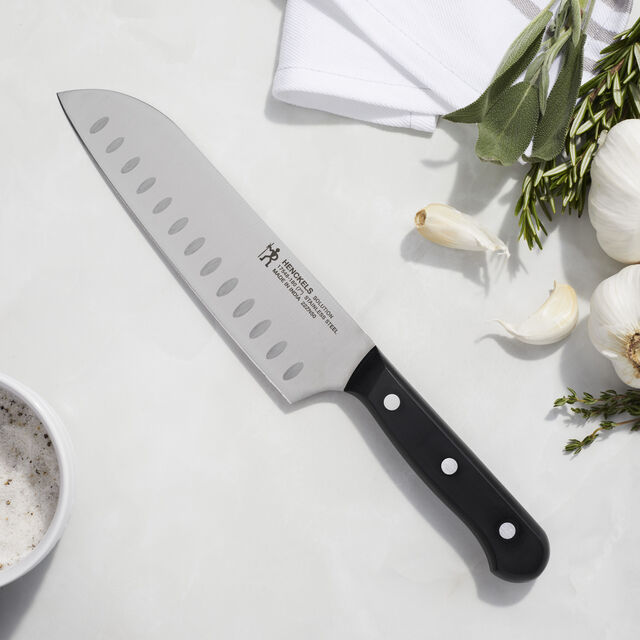
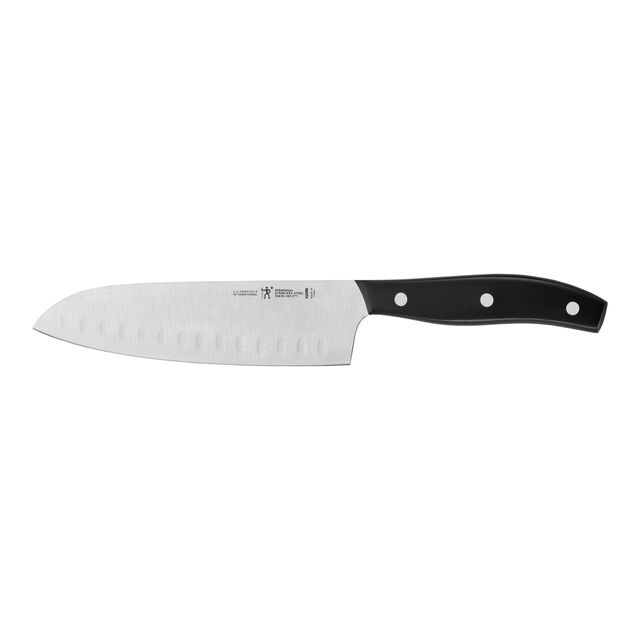
A santoku knife is a Japanese-style chef's knife that is extremely versatile, featuring a slightly taller blade for enhanced control and a straighter edge from heel to tip. Designed for slicing, dicing, and chopping meat, fish, and vegetables, it suits home cooks looking for a precise, easy-to-handle all-purpose knife. Explore the range to find a blade length, handle, and style that feel comfortable for your kitchen and cutting tasks.
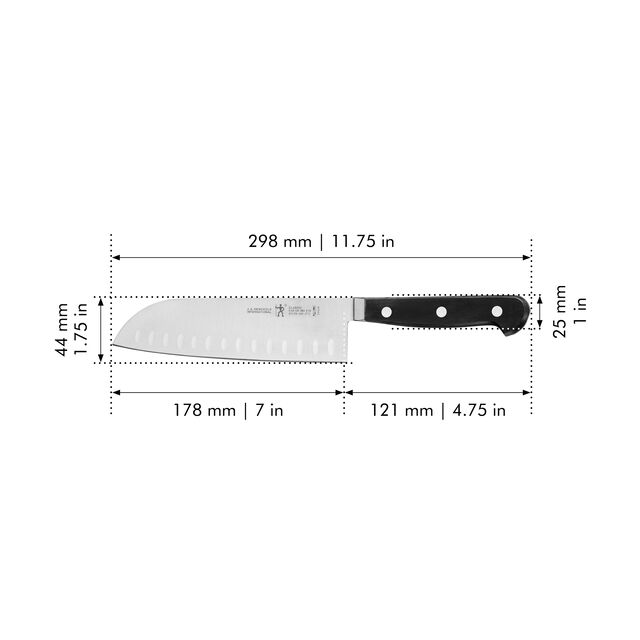
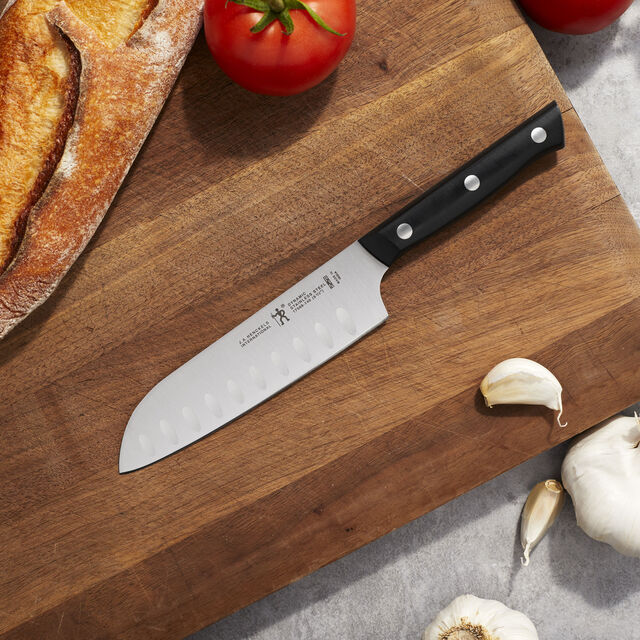
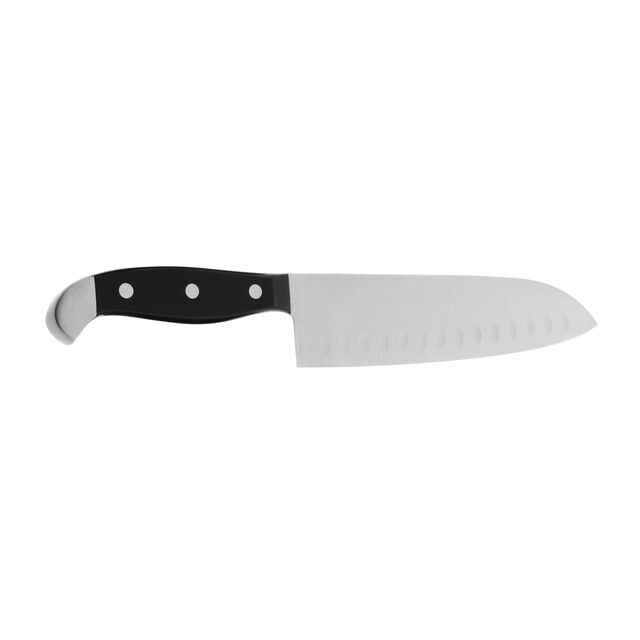
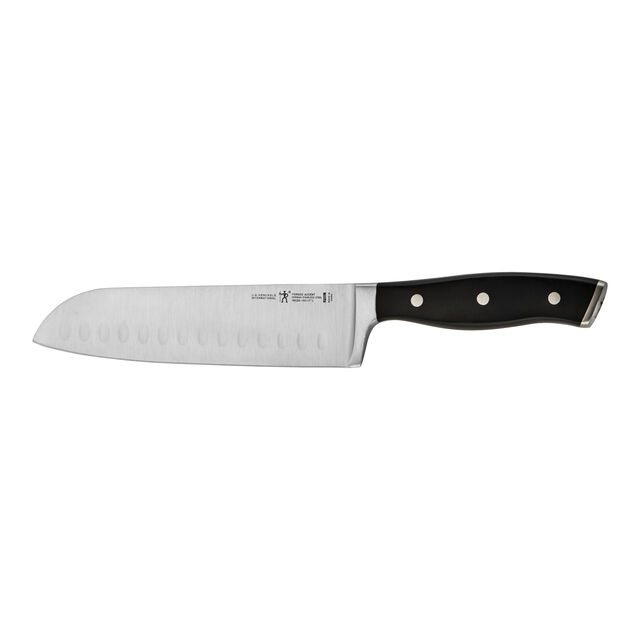
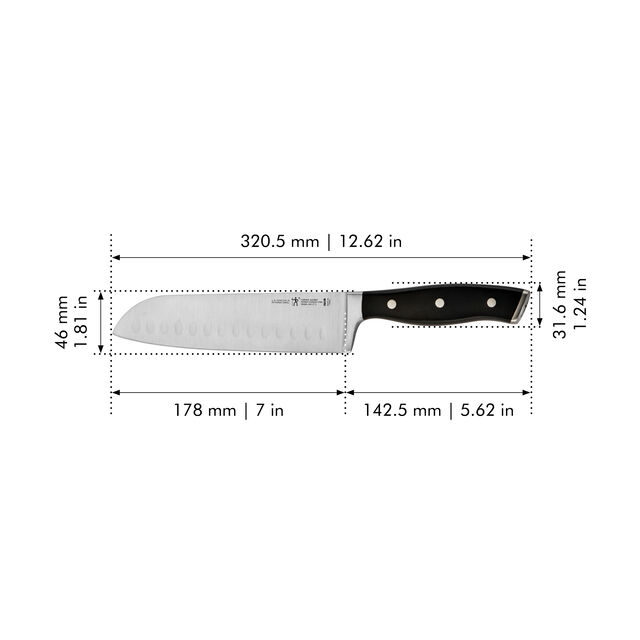
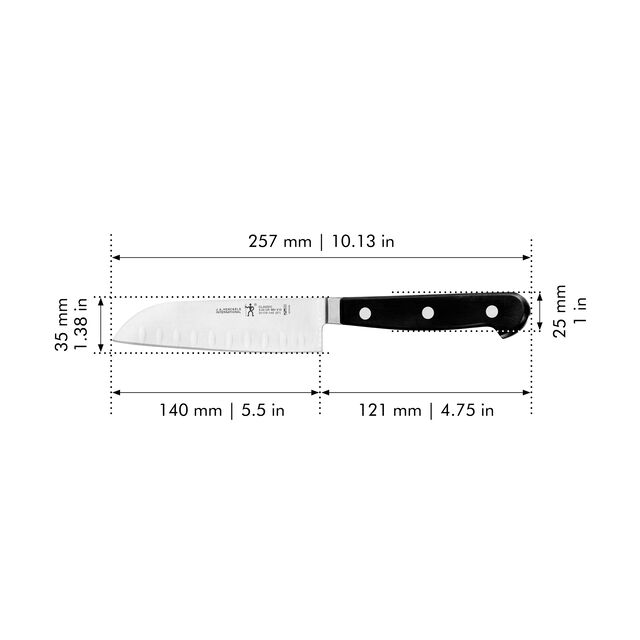
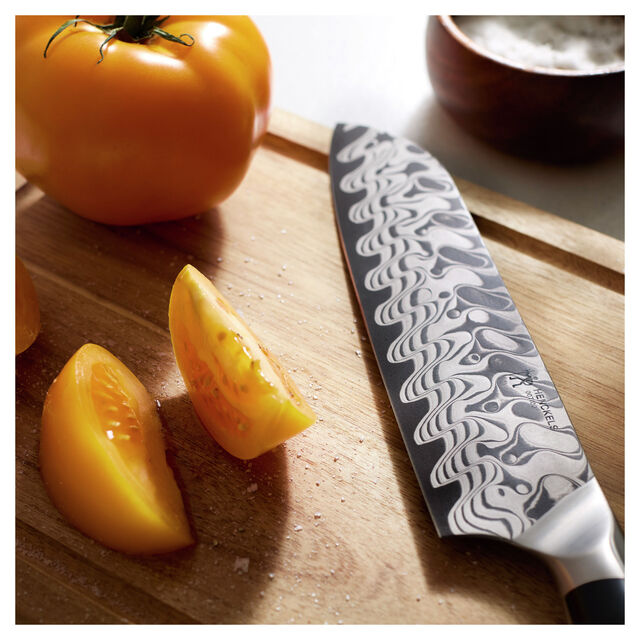
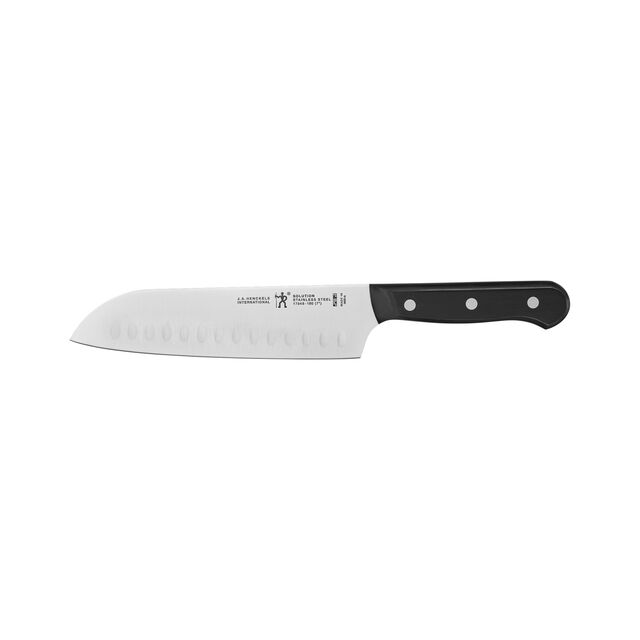
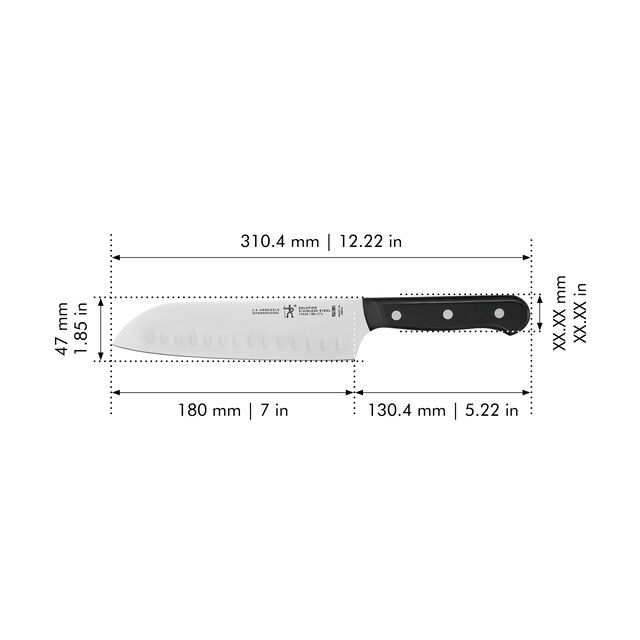
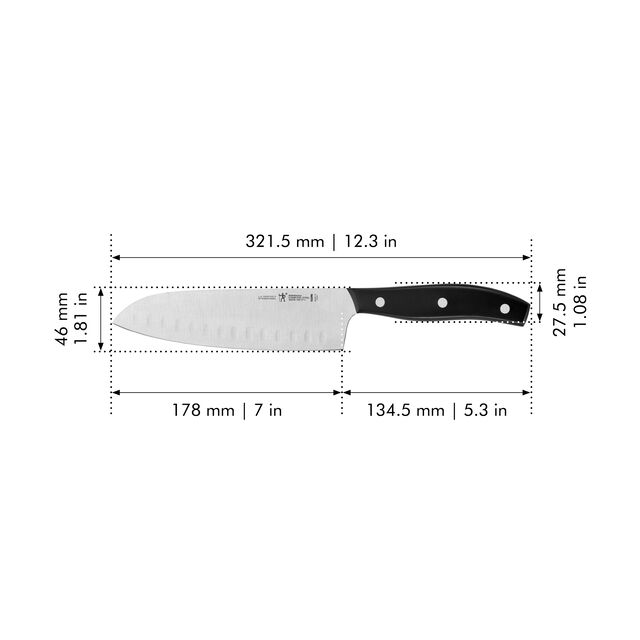
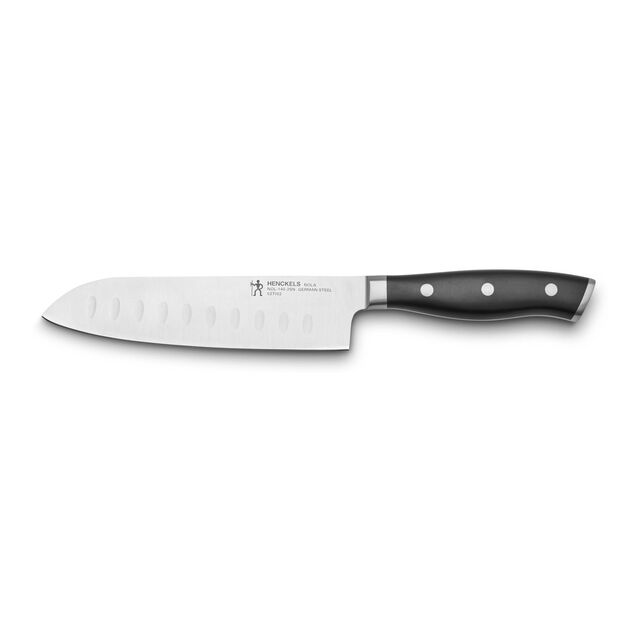
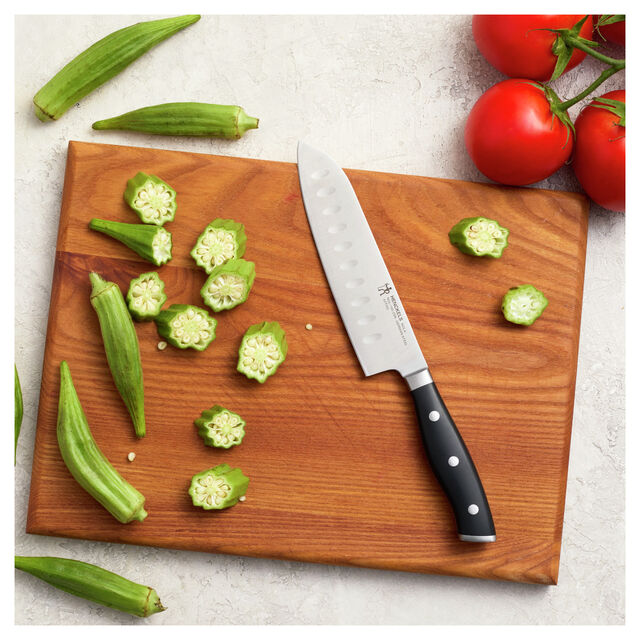
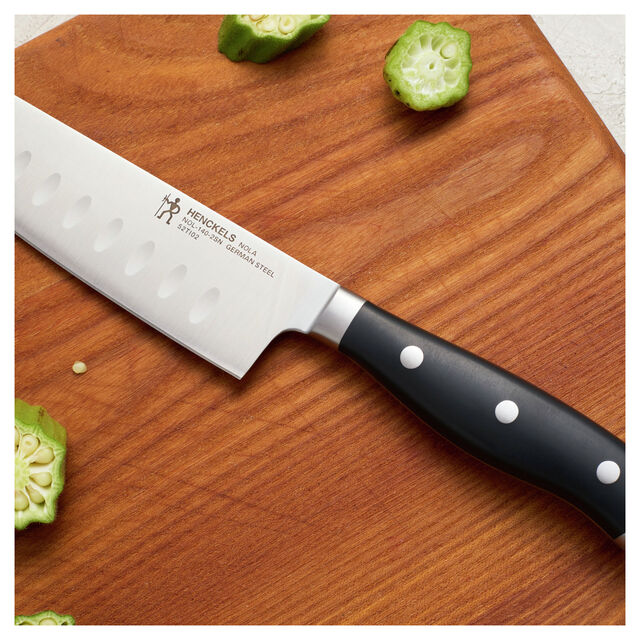
A santoku knife is a Japanese all-purpose kitchen knife whose name means “three virtues,” referring to meat, fish, and vegetables—or slicing, dicing, and mincing. It originated in Japan and is closely associated with prep techniques that favor a single downward cut. Typically 5 to 7 inches long, it has a broad blade, a relatively straight edge, and a rounded, lowered point, while also ordinarily weighing about 6 to 7 ounces. Its shape offers control for precise prep, especially on a cutting board, and suits a push-cutting motion: move the blade forward and down rather than using the rolling rocking chop common with a classic chef's knife, as a santoku usually has a shallower blade angle of about 10 to 12 degrees for clean push cuts. A santoku can cut meat cleanly, but it should not be used on bone, which may chip its sharp edge. Some blades have a Granton edge, with dimples that form air pockets to help wet or starchy ingredients release instead of sticking to the blade.
A santoku is a versatile Japanese kitchen knife, typically 5 to 7 inches long, with a broad blade and relatively straight edge suited to push-cutting, slicing, dicing, and mincing. These design features give it notable ease for precise prep work across everyday ingredients. A gyuto—often translated as “cow sword”—is the Japanese equivalent of a classic chef’s knife, with a longer, more curved blade, around 8 to 10 inches, that works well for rocking cuts and larger ingredients. A nakiri has a rectangular blade designed mainly for vegetables, while a santoku handles vegetables, fish, and boneless meat. Its compact size and balanced blade shape also make it a good knife for cooks who want a nimble addition to a knife set.
Although HENCKELS santoku knives are generally dishwasher safe, it is recommended to hand wash them to help with maintaining sharpness and durability over time. Hand wash your santoku knife with mild soap and water, then dry it immediately with a soft towel.To maintain sharpness, sharpen the blade on a whetstone at an angle of about 10 to 12 degrees, following the knife’s bevel. Store it in a wooden knife block or protective sheath to keep the edge safe.
Browse through our selection of knife sets or knife block sets to add a santoku to your knife set for everyday prep and round out your kitchen and knife collection. You can also filter the broader cutlery range by set style or collection when browsing related options. For excellent savings on cookware and essential kitchen tools, explore our sale page. Discover limited-time offers and exclusive deals available solely on the Henckels Canada website, featuring select products at discounted prices to fit your budget.












Forged Accent












Definition




Nola by Emeril